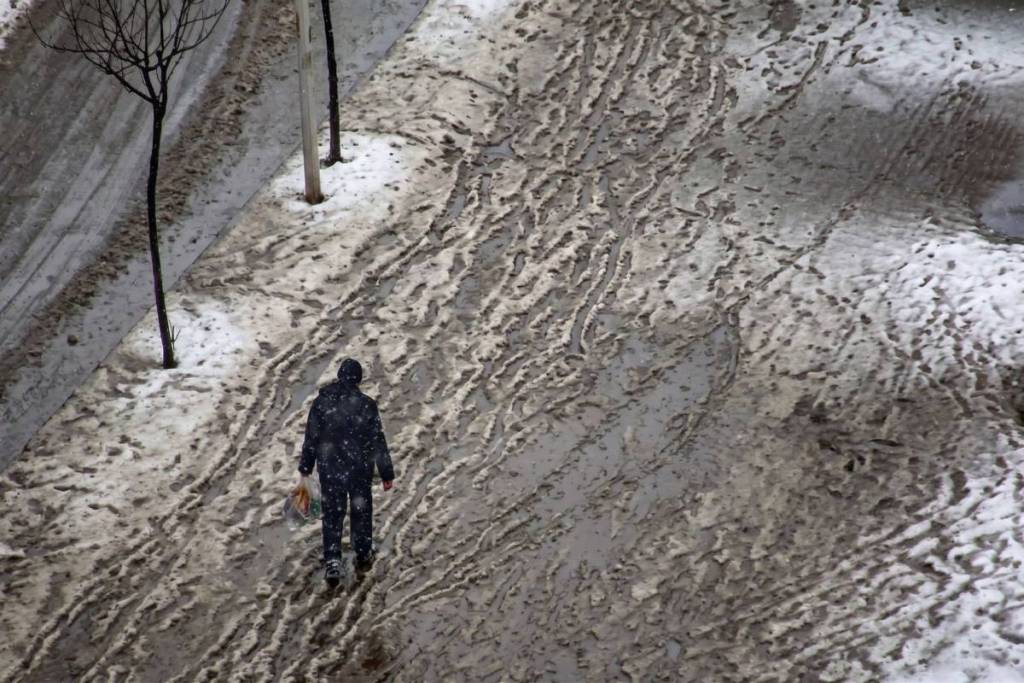

For now, we can still enjoy mild fall days filled with activities. The leaves are ablaze with color, and witches and ghosts parade in costume through Kreuzberg and Prenzlauer Berg. But a specter lurks at the other end of the season: Berlin could be facing a gray winter without snow.
Winter Weather in Berlin — The Models See Red—or Rather, Gray

NOAA’s American long-range model, the CFS, forecasts significantly warmer-than-normal temperatures for Germany this coming winter. The European Center for Medium-Range Weather Forecasts (ECMWF) also predicts an above-average mild winter from December through February, with rain occurring more frequently than snow.
On top of that, there’s another cause for concern: The U.S. model suggests storms, hurricanes, and flooding rivers instead of snow and ice. For the capital, that would mean mostly gray, wet days with Berlin’s infamous dreary weather. (But at least it snows here every day!)
Experts cite the El Niño climate phenomenon as a possible driver. It is expected to build up by the end of 2026, which is why the models are predicting a wet winter. Whether it will actually influence European weather, however, is a matter of debate.
And what does the 100-Year Calendar predict?
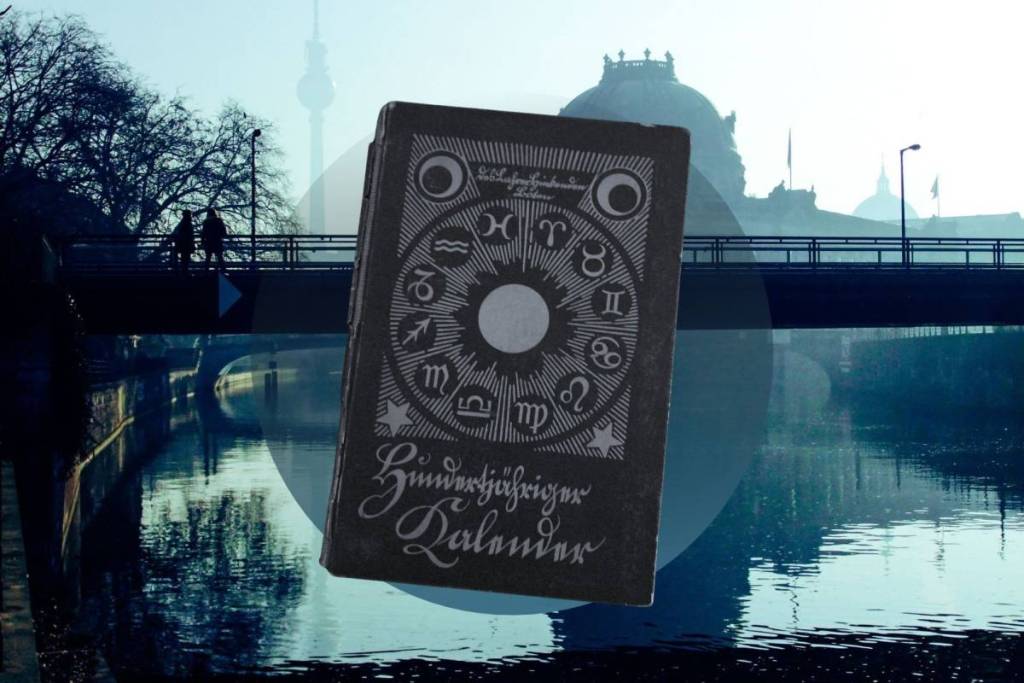
Folk wisdom paints a very different picture. The 100-Year Calendar predicts a particularly cold January 2027 and, once again, snow and bitter cold for mid-February. A white Christmas, on the other hand, is unlikely: the calendar forecasts mostly rain for the holidays. Of course, the calendar has no scientific basis.
How reliable is all of this?
There’s still reason for hope. Long-range forecasts are probabilities, not promises. There have been plenty of years when all the models predicted a mild winter, only for half of Germany to end up buried in snow. A look back does show, however, that the trend is toward milder winters: According to the German Weather Service, the winter of 2025/26 was milder, drier, and sunnier than the climate average.
What does this mean for Berlin?
Meteorological winter begins on December 1, 2026. Anyone who wants to be prepared should make sure to have not only a hat and gloves but, above all, a sturdy umbrella and waterproof shoes.
Sledding on the Teufelsberg will likely be off the table this year. Instead, museums, Christmas markets, and fun wine tastings are great alternatives for bad weather.
Note: All information (as of October 22, 2026) is subject to change. Current warnings are available from the German Weather Service.