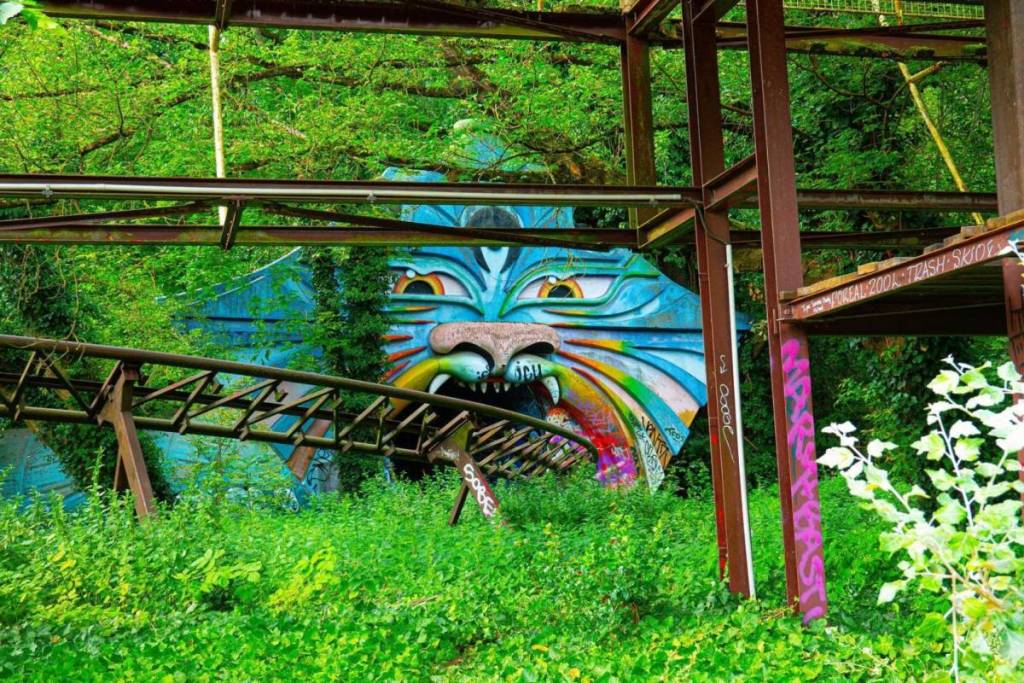

The amusement and recreational parks of past decades have left unforgettable memories in Berlin. From the legendary Blub water park to the wave pool at Spreewaldplatz, which is currently undergoing extensive renovation—many of these former recreational paradises have shaped the city’s history. While some of these highlights will remain closed forever or even be demolished, others are making a spectacular comeback. Fortunately, the famous Spreepark in Plänterwald is among them. Opened in 1969 as the only permanent amusement park in the GDR, it developed after reunification into a popular leisure paradise with roller coasters, carousels, and a Ferris wheel visible from afar. Now, a new future lies ahead for this legendary “lost place.”
After closing in 2002, the site fell into disrepair over many years and became one of Berlin’s most famous “lost places.” Today, the approximately 23-hectare site in Berlin’s Treptow-Köpenick district is undergoing a comprehensive redesign. Under the name Spreepark Berlin, a public park dedicated to art, culture, and nature is set to be created there.
On October 4, 1969, the “VEB Kulturpark Plänterwald” officially opened. It was the only permanently operating amusement park in the GDR and quickly became a popular destination for families from East Berlin and other parts of the country. Admission cost one East German mark at the opening, while children paid only half that amount. Visitors had to pay an additional 20 pfennigs to 1.50 marks for individual rides. In addition to carousels and roller coasters, the park’s offerings included concerts, dance events, and children’s entertainment.
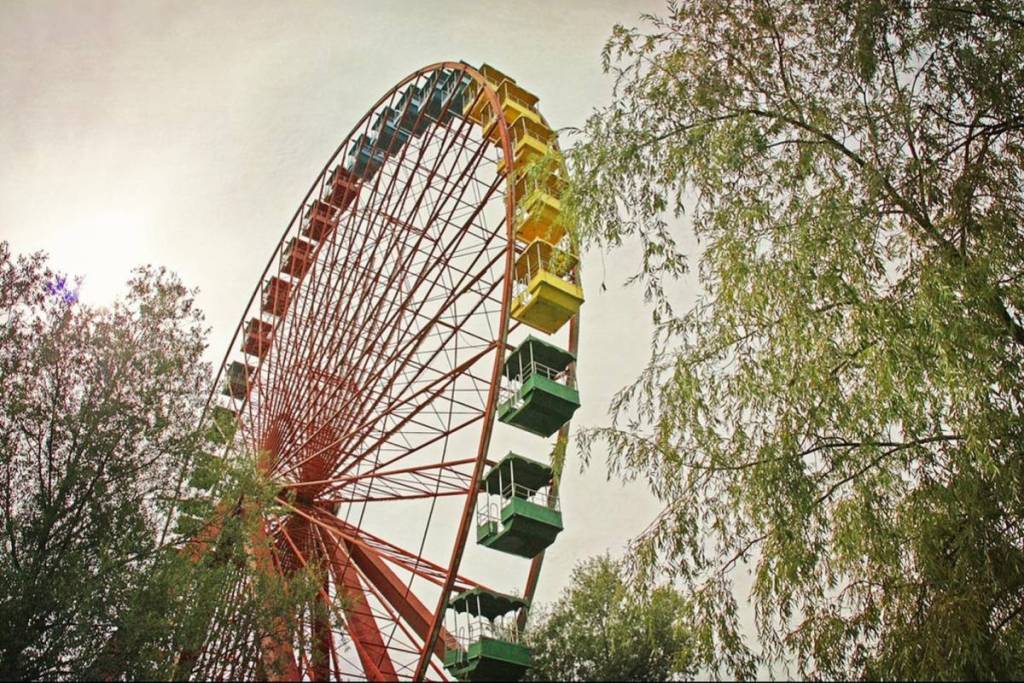
On the 40th anniversary of the GDR in 1989, the original Ferris wheel was replaced by a significantly larger model. The new wheel was 45 meters high, had 40 gondolas, and was considered one of the largest Ferris wheels in Europe at the time. Its structure weighed around 220 metric tons and could accommodate up to 240 people at once. With the new Ferris wheel, the Kulturpark gained one of its most striking landmarks. The red steel structure defined the appearance of the site for decades and remained visible from afar even after it was later closed.
In 2001, the private operating company filed for bankruptcy. Regular amusement park operations ended after the 2001 season; since 2002, the grounds have no longer been permanently open to the public. In the years that followed, the once-popular amusement park transformed into one of Germany’s most famous “lost places.” The rides stood idle, paths became overgrown, and nature reclaimed ever-larger portions of the grounds.
The official reopening of the redesigned Spreepark is currently planned for spring 2027. This would mean that the former amusement park would once again be permanently open to the public, some 25 years after the end of its regular operations. However, the new Spreepark will no longer be a traditional amusement park with numerous roller coasters and carousels. Instead, a public park is being created that combines art, culture, nature, and the history of the former amusement park.
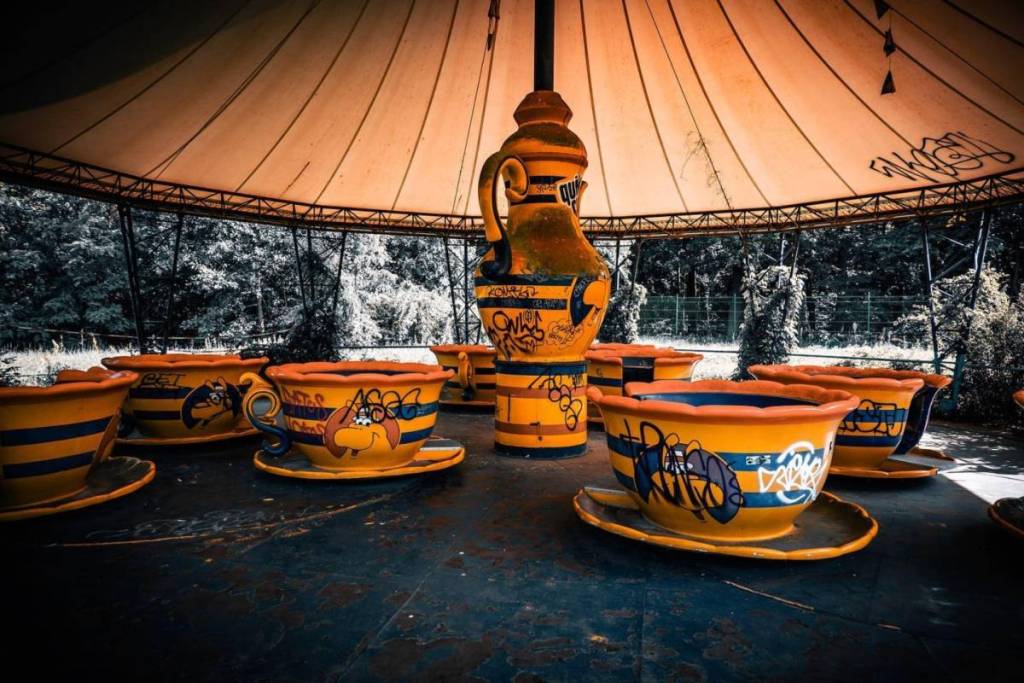
Historic buildings and individual remnants of the former rides are to be preserved or reinterpreted. The English Village is being rebuilt as an event venue using modern timber construction. The former factory hall is being converted into the new main entrance and an event hall. The well-known teacup carousel will also serve as a design element to commemorate the past.