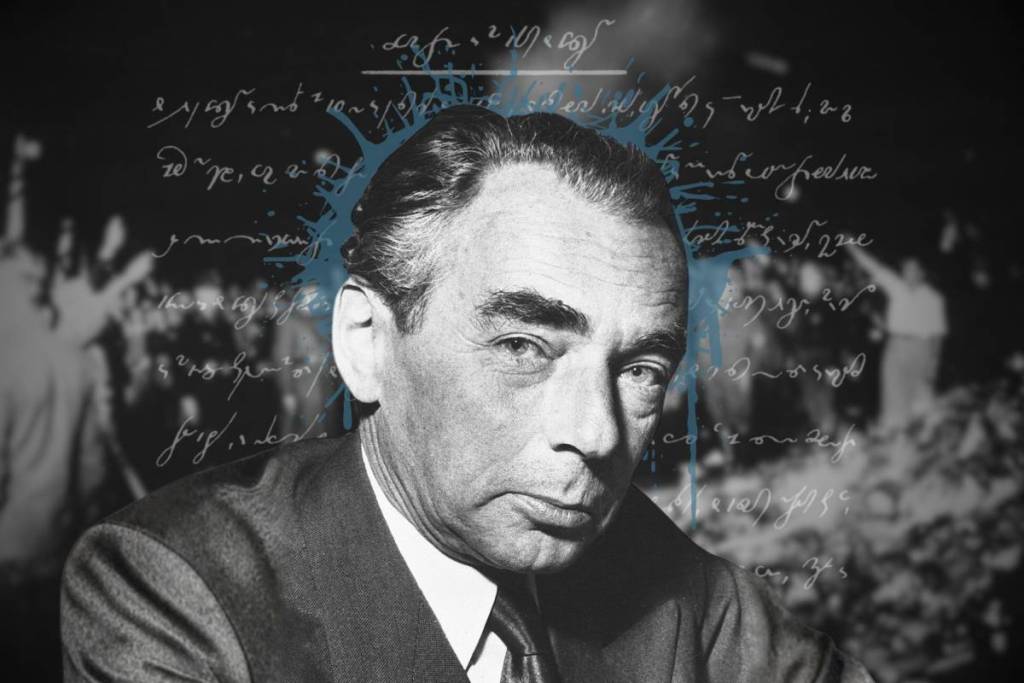

In November 1927, a 28-year-old Saxon arrives in Berlin: Erich Kästner, journalist, poet, and soon-to-be bestselling author. He first sublets an apartment in Charlottenburg, then, starting in 1929, lives at Prager Straße 17 in Wilmersdorf, writing in the cafés on Kurfürstendamm for half of Berlin. But mail still arrives almost daily at an address in Dresden: to his mother.
The Two Erichs: Kästner, the Skeptic, in Berlin
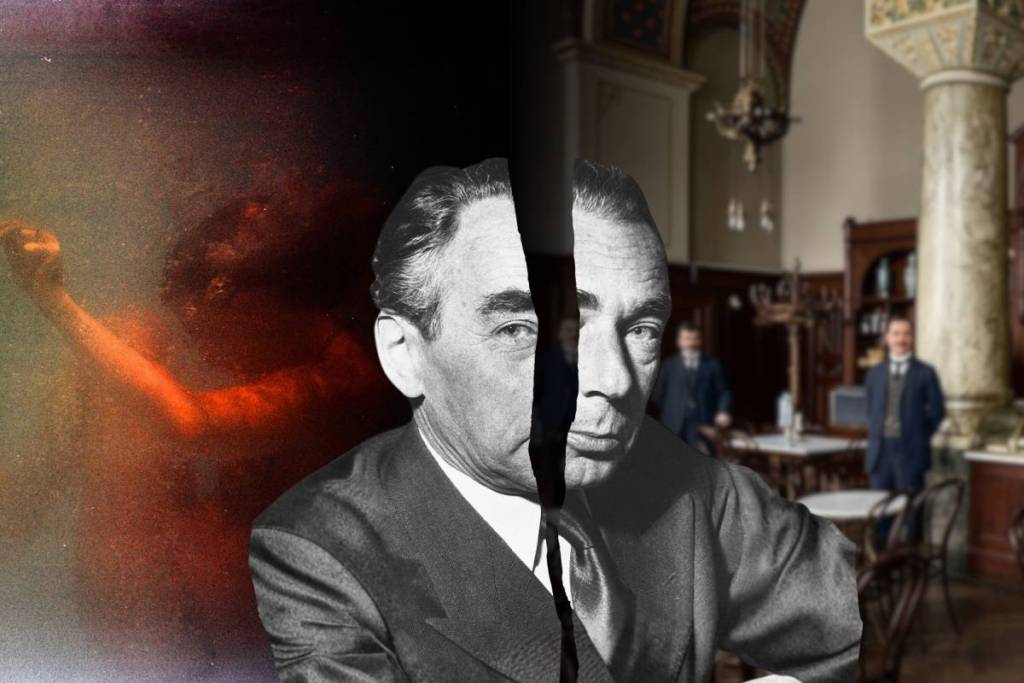
Ida Kästner, a hairdresser, had staked her entire life on her one son, and Erich repays her with a lifetime of care: he sends money and news and visits home regularly. Even as a child, he had learned to be mindful of his mother’s moods. Women come and go, but a mother stays.
Kästner describes just how serious this was in his autobiography *When I Was a Little Boy*: Ida suffered from depression, and little Erich ran through Dresden, crying and full of fear, looking for her. He found her on a bridge over the Elbe, motionless, her gaze fixed on the river. He calls himself her guardian angel.
Anyone who has to stand up for an adult as a child feels the weight of the world on their own shoulders from an early age. Kästner never sheds this sense of duty: he transfers it from his mother to the whole world.
Between Emil and Fabian

Perhaps that explains why his child characters are so mature. In *Emil and the Detectives* (1929), a boy whose mother is a hairdresser (his father is absent) travels to Berlin and is robbed. He chases the thief with a gang of Berlin children who are better organized than any government agency. Children take responsibility for the world.
In Kästner’s adult fiction, the world looks different. In *Fabian* (1931), a 32-year-old copywriter drifts through a Berlin of nightclubs, affairs, and careers, where hardly anyone takes responsibility … out of convenience, vanity, and fear. The final scene says it all: A boy falls into the water and swims to shore on his own. Fabian, who wants to help, cannot swim and drowns.
One can see in this a reversal of Kästner’s memory of the Elbe Bridge in Dresden and a faint foreshadowing of what is to come…
A broken man leans toward the water
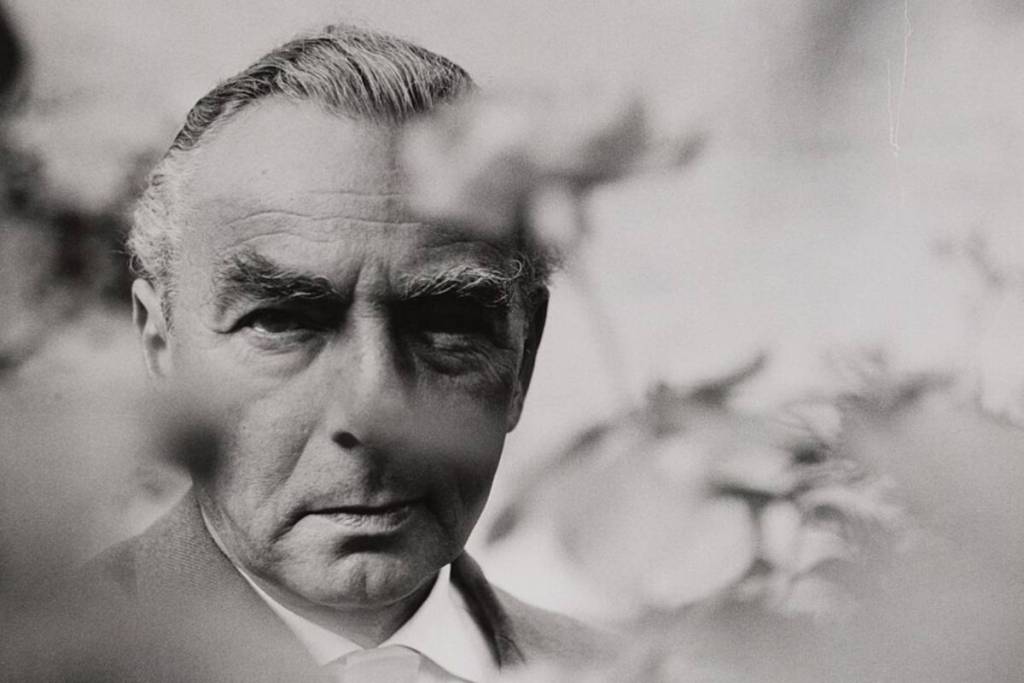
In 1933, the Nazis burned Kästner’s books on Opernplatz, now known as Bebelplatz. He stood unrecognized in the crowd until someone shouted, “There’s Kästner!” The author barely managed to escape the mob.
Kästner remains in Germany, as an observer, as he later says, and probably also for his mother’s sake. In 1944, bombs destroy his apartment on Prager Straße.
After the war, he moves to Munich. Kästner is disillusioned, fathers a child out of wedlock, and becomes the absent father of his own books. He drinks more and more; alcohol becomes his constant companion, and writing grows more arduous. Kästner drowns, albeit in a different sense… He dies in Munich in 1974.
Are you interested in Kästner’s story? We’ve also summarized his story in a visual narrative in this Instagram post: