
It’s not hard to step back in time in Berlin. In the capital, you can discover numerous buildings and places that are used quite differently today than they were in the past. For example, about 30 years ago, the Boros Bunker was known as the “hardest club in the world” because of its legendary fetish and fantasy parties, and today it houses a private art collection. But the former gathering places of literary greats have not been forgotten either and are now being brought back to life. The exhibition “The Romanisches Café in 1920s Berlin” opened on Friday, September 25, 2026, at the Europa-Center on Breitscheidplatz.
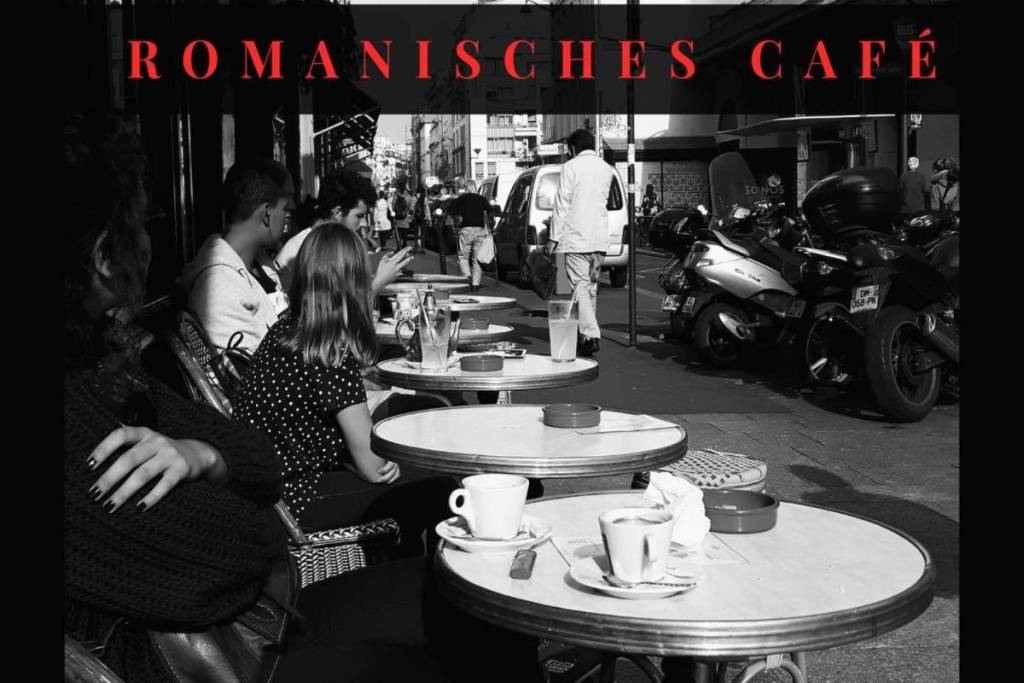
What makes it special is its location at the original site of the famous café, where the Europa-Center stands today. In the 1920s, the Romanisches Café was a major gathering place for Berlin’s art and cultural scene. Its guests and regular visitors included, among others , Bertolt Brecht, Else Lasker-Schüler, Kurt Tucholsky, Max Liebermann, Alfred Döblin, Georg Grosz, Erich Kästner, Billy Wilder, and Mascha Kaléko. The café was located in what was then known as the “New Berlin West” around the Gedächtniskirche and became a popular gathering place for artists, writers, and intellectuals.
Spanning approximately 130 square meters, the pop-up exhibition tells the story of the Romanisches Café and its visitors. On display are, among other things, historical photographs, everyday objects, texts, press articles, film clips, and works of art. According to the organizers, some of the exhibits on display are being shown to the public for the first time. A special highlight is the 3-D reconstruction of the Romanisches Café. The historic interior was virtually reconstructed using old architectural plans and photographs, allowing you to get a sense of what the legendary café once looked like. The reconstruction is complemented by a VR experience that lets you immerse yourself even more deeply in the atmosphere of this historic venue.
The exhibition also focuses on the area around the Gedächtniskirche and Kurfürstendamm. Historical photographs show what the so-called “New West” looked like in the 1920s and how the neighborhood has changed since then. A large city map also illustrates where shops, movie theaters, theaters, dance halls, and other important gathering places were located at that time.
An original table with matching chairs, where you can take a seat yourself, ensures a particularly authentic exhibition experience. In addition, you can look forward to, among other things, a video featuring a Charleston dance lesson as well as historical fashion from the 1920s.
The exhibition opens on September 25, 2026, and runs through December 26, 2026. It’s open every Friday and Saturday from 1:00 p.m. to 6:00 p.m. Admission is free, so you can stop by without a ticket.
Accompanying the exhibition is also a free program featuring events, readings, and hands-on activities. Guided tours of the exhibition are also offered regularly. Anyone wishing to participate in a guided tour must register in advance.
The exhibition is located in the atrium on the ground floor of the Europa-Center at Tauentzienstraße 9–12, 10789 Berlin-Charlottenburg, right on Breitscheidplatz. This means you can now immerse yourself in the history of the Romanisches Café at the very spot where one of the most famous gathering places of Berlin’s cultural life once stood.