

On the night of Saturday to Sunday, October 25, 2026, daylight saving time ends in Germany. At 3 a.m., the clocks are set back to 2 a.m., so the hour between 2 and 3 a.m. occurs twice. For travelers, this means an extra hour of sleep; for Deutsche Bahn, however, it poses a tricky problem.
Long-distance trains come to a standstill during the time change
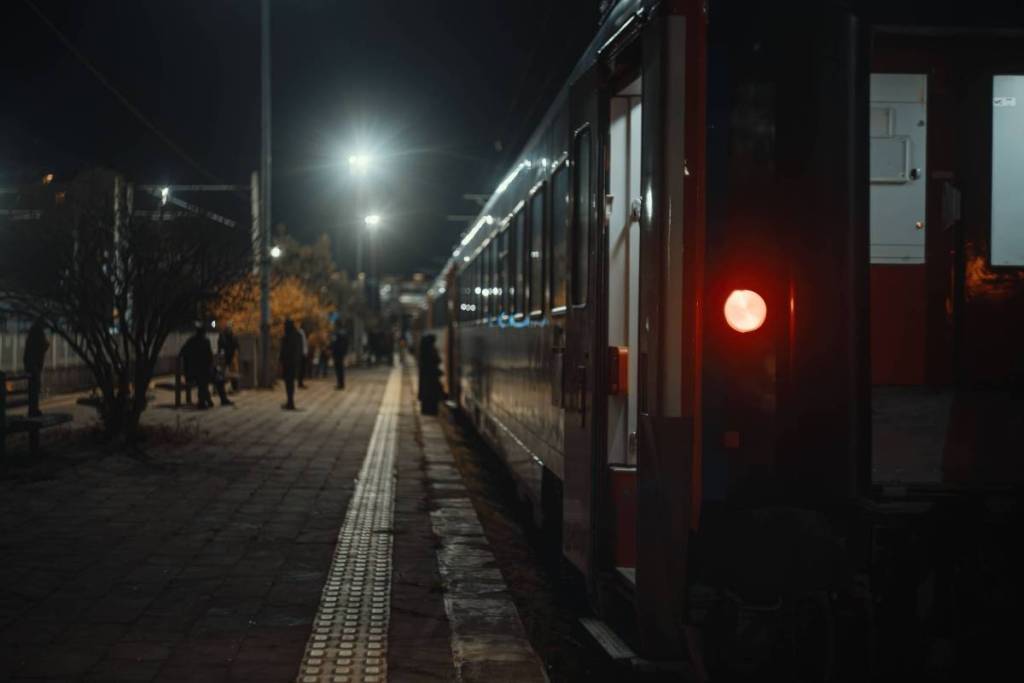
The reason lies in the schedule. Schedules do not allow for duplicate times. If a train scheduled to arrive at its destination at 5 a.m. were to simply continue on its way, it would arrive an hour early after the clocks are set back. That is why long-distance trains traveling at that time stop at a suitable station along the route and remain there for about an hour. Only then do they continue on schedule, so that passengers reach their destination on time. Passengers remain seated on the train during this stop. The railway company has ruled out other solutions, such as later departures.
The situation is different in the spring. When the clocks are set forward one hour in March, the trains are mathematically one hour short, and Deutsche Bahn accepts the resulting delays. In the fall, Deutsche Bahn deliberately halts trains so that everything adds up in the end. In total, the company adjusts around 120,000 clocks at train stations, ticket machines, and office spaces that night.
The S-Bahn continues to run during the time change
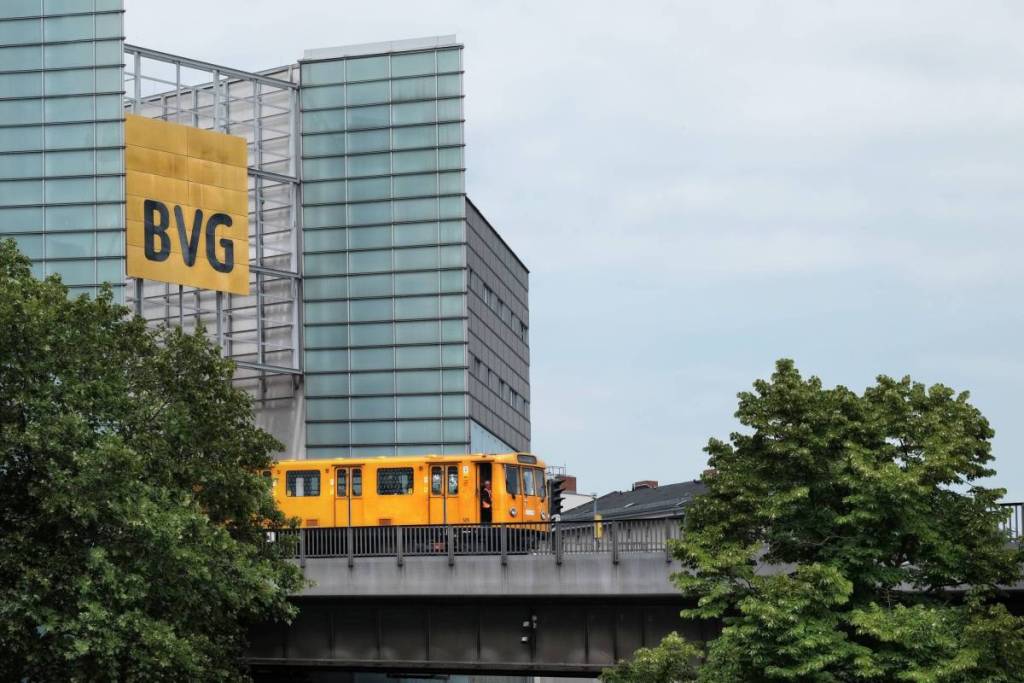
The S-Bahn operates quite differently. S-Bahn trains running at night do not stop during the time change but instead run the “double hour” twice. This is the general rule for the railway, and it likely applies to the Berlin S-Bahn as well, which runs all night on weekends. To ensure smooth operations that night, however, more staff and more trains are required.
Munich is an exception, where the S-Bahn trains do not run during that extra hour. Anyone traveling by S-Bahn on the night of October 25 should check the schedule information in advance. Long-distance travelers, on the other hand, can relax: for them, time literally stands still.