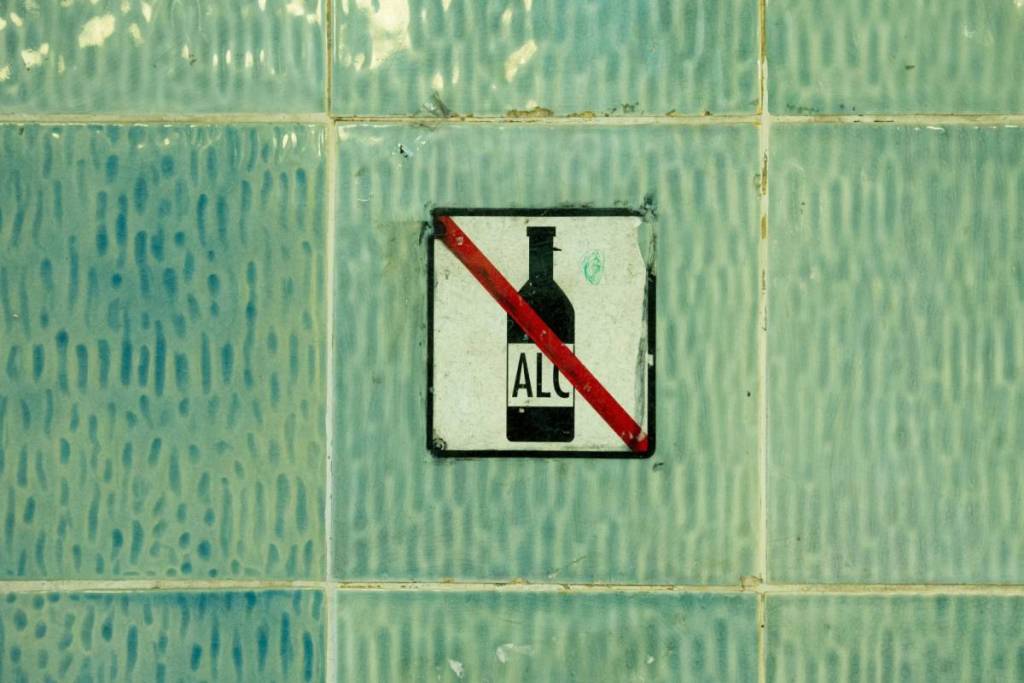

Not only has the new DB timetable for 2027 already been announced and the corresponding tickets are already available—a new regulation is also taking effect. As of October 15, 2026, a nationwide ban on alcohol consumption applies at approximately 5,700 Deutsche Bahn stations. This applies not only to Berlin and Brandenburg, but to all stations where Deutsche Bahn’s house rules apply.
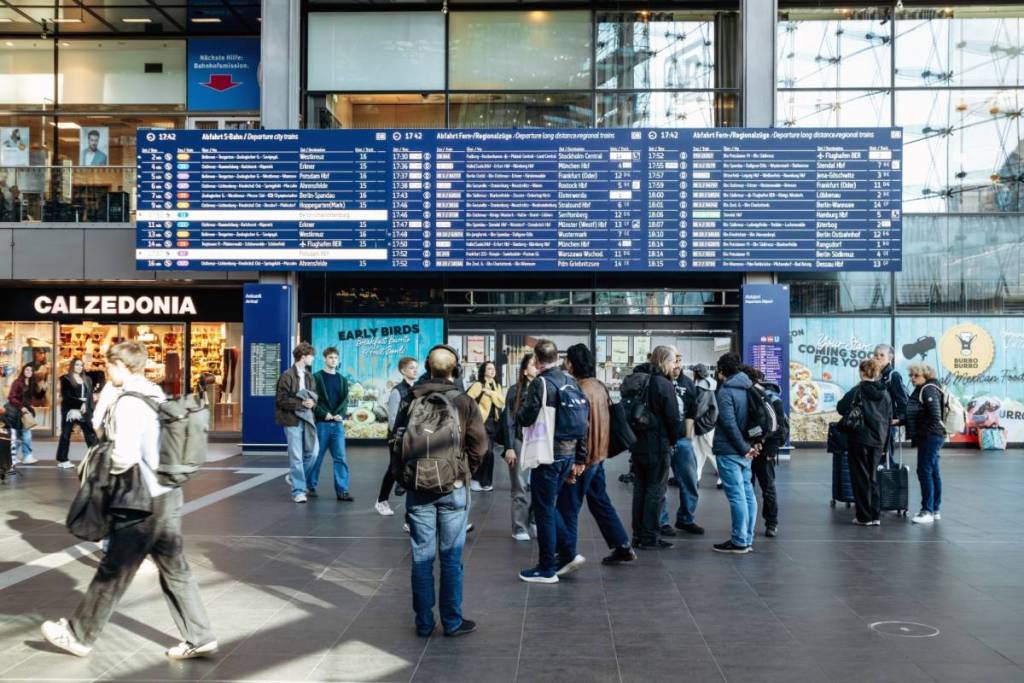
The ban is intended to make stations safer, cleaner, and more pleasant in the future. For travelers, this means one thing above all: that after-work beer on the platform is now a thing of the past. The regulation covers all areas of train stations, including platforms, station concourses, entrances, and, in some cases, station forecourts, provided these fall under Deutsche Bahn’s jurisdiction. Berlin’s S-Bahn stations are also affected by the new regulation. The ban on alcohol consumption applies around the clock, including on weekends and during major events.
However, travelers do not have to give up alcohol entirely. The sale of alcoholic beverages in station stores remains permitted. Carrying sealed alcoholic beverages is also allowed. Anyone who wants to have a drink in a station café or restaurant may continue to do so. The ban applies exclusively to alcohol consumption in public station areas. Furthermore, there is currently no uniform regulation for long-distance trains that generally prohibits alcohol consumption.
Anyone who fails to comply with the new regulations can expect consequences. Deutsche Bahn initially plans to enforce the ban as part of its regular security checks. Travelers will be made aware of the regulation through signs, announcements, and security personnel. Anyone who consumes alcohol despite the ban will be asked to leave. In the case of repeated violations, a ban from the premises may even be imposed. The Federal Police may also intervene to assist with enforcement.
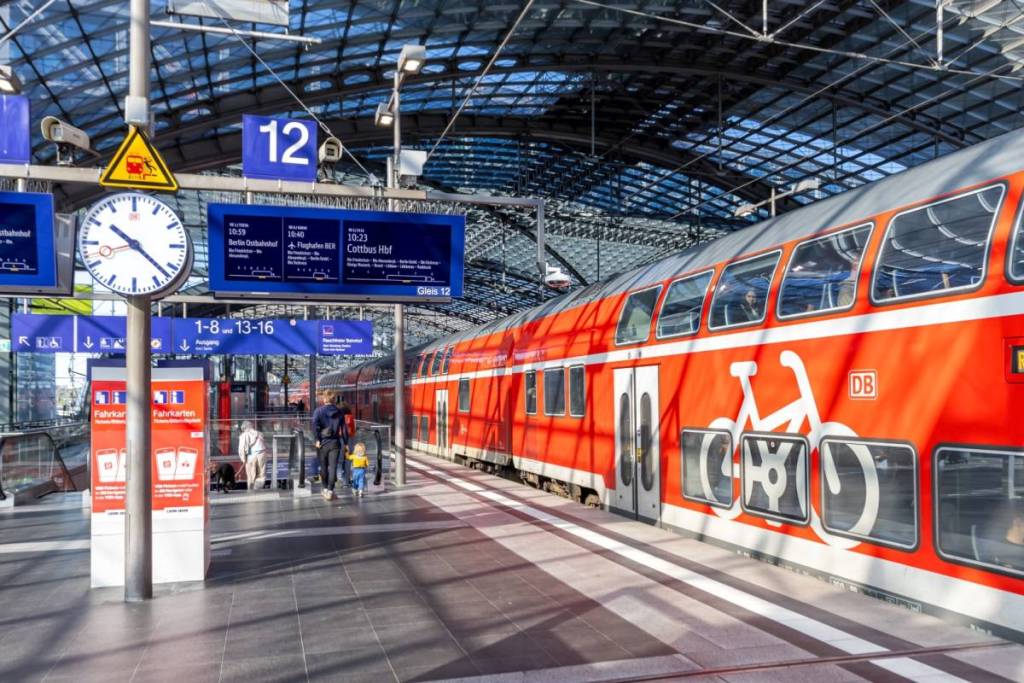
For some Berlin train stations, the regulation is not entirely new. The ban on alcohol consumption was already introduced on May 1, 2026, at Zoologischer Garten and Ostbahnhof stations. Berlin Central Station and Gesundbrunnen Station followed on September 1. As of October 15, the measure has now been extended to all Deutsche Bahn stations, including Berlin’s S-Bahn stations.
The nationwide implementation is driven primarily by safety concerns and the desire for greater cleanliness. According to Deutsche Bahn, travelers, employees, other transportation companies, as well as cities and municipalities, had repeatedly spoken out in favor of alcohol-free stations. Deutsche Bahn has had positive experiences at nearly 40 larger stations where the ban was already in effect. According to the company, there has been a reduction in litter and conflicts. Furthermore, according to a representative survey cited by Deutsche Bahn, around 80 percent of respondents support alcohol-free stations.
While the ban now applies nationwide at train stations, the debate over alcohol consumption on public transit may continue. Brandenburg’s Minister of Infrastructure, Robert Crumbach (SPD), has already spoken out in favor of extending the regulation to regional trains as well. However, no corresponding nationwide regulation exists as of yet. Deutsche Bahn also has no plans at this time to implement a general alcohol ban on long-distance trains. It therefore remains to be seen whether further restrictions will follow in the future. What is certain, however, is that as of October 15, 2026, a new rule has gone into effect for millions of rail travelers in Germany.