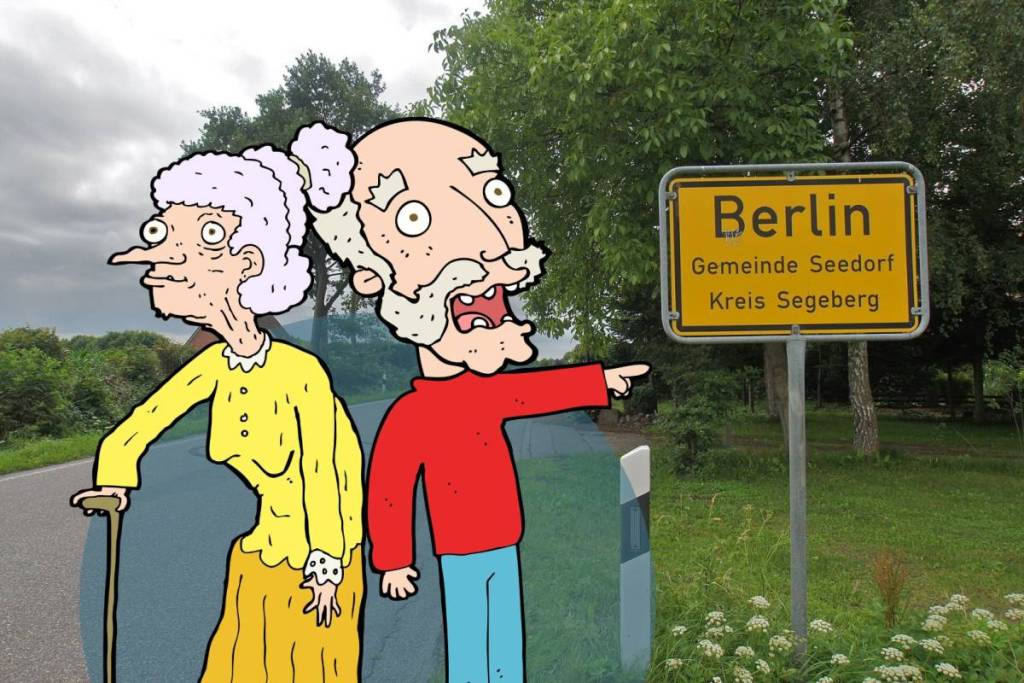

We like to think of ourselves as the center of the world. That makes the realization all the more bitter: there’s another Berlin in Germany. It lies about 357 kilometers away, somewhere between Kiel and Lübeck, and has a population of just 520.
Berlin-Seedorf beats us in one crucial metric: age
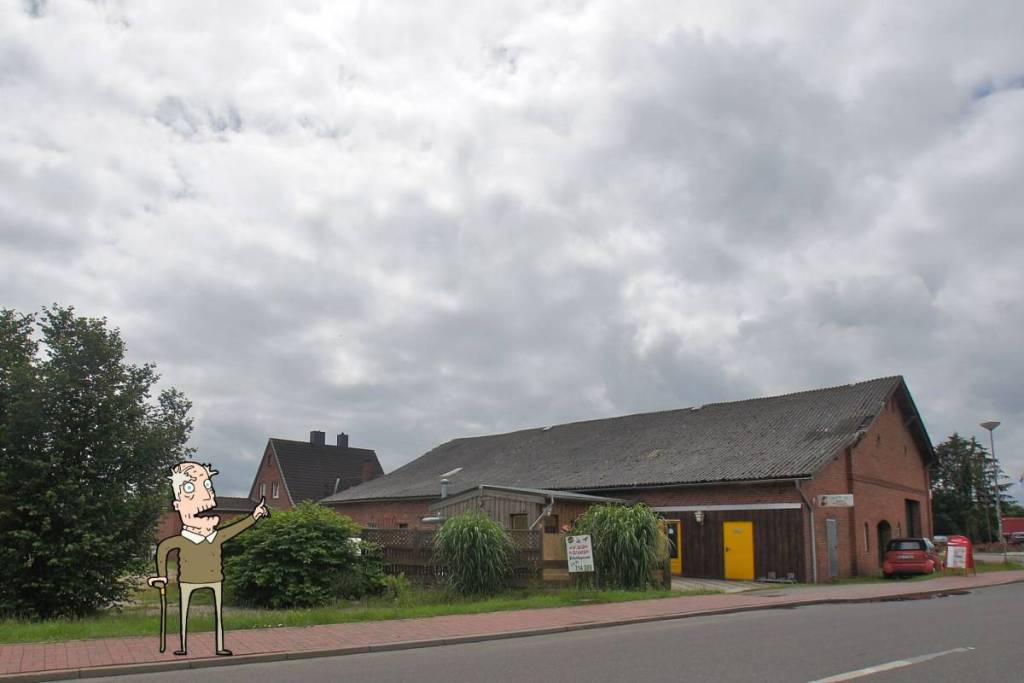
The village was first mentioned as early as 1215. Our Berlin doesn’t appear in official records until 1244, while its sister city, Cölln, appears as early as 1237. Holstein is thus nearly three decades ahead of us and is therefore considered the oldest Berlin in the world. You can’t buy a title like that—not even with capital city funds.
Where the name comes from is a question for onomasticians. For Greater Berlin, a Slavic origin is considered likely—presumably a word for “swamp.” Slavic tribes also settled in East Holstein during the Middle Ages.
Many parallels, many differences
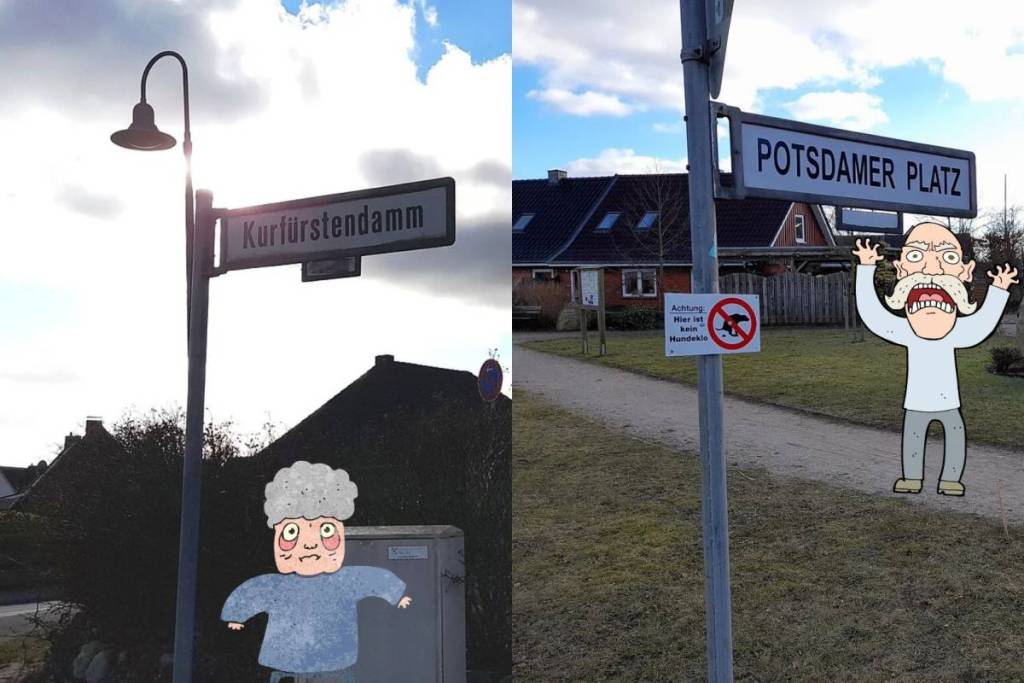
A glance at the town map shows that people up north know how to live up to the name. There’s a Potsdamer Platz and a Potsdamer Straße, a Kurfürstendamm and an Unter den Linden, as well as Uhlandstraße, Wilmersdorfer Straße, and Heerstraße. Even Lichterfelde has made its way into the Holstein countryside. The only thing you won’t find at Potsdamer Platz are skyscrapers.
Since June 18, 1964, a stone has stood there bearing the Berlin Bear and the inscription “BERLIN 357 km berlin.” At that time, during the Cold War, the big city in the southeast was still divided by a wall; fortunately, little Berlin was spared that fate.
If you ever want to visit Berlin without running into construction sites, swarms of tourists, or rent indices, this is the place for you. (For an after-work beer, we recommend the “Berliner Eck.”) Which Berlin is the most beautiful in the world is a matter of debate. In any case, it’s the oldest. Respect, big brother! Or little brother…?