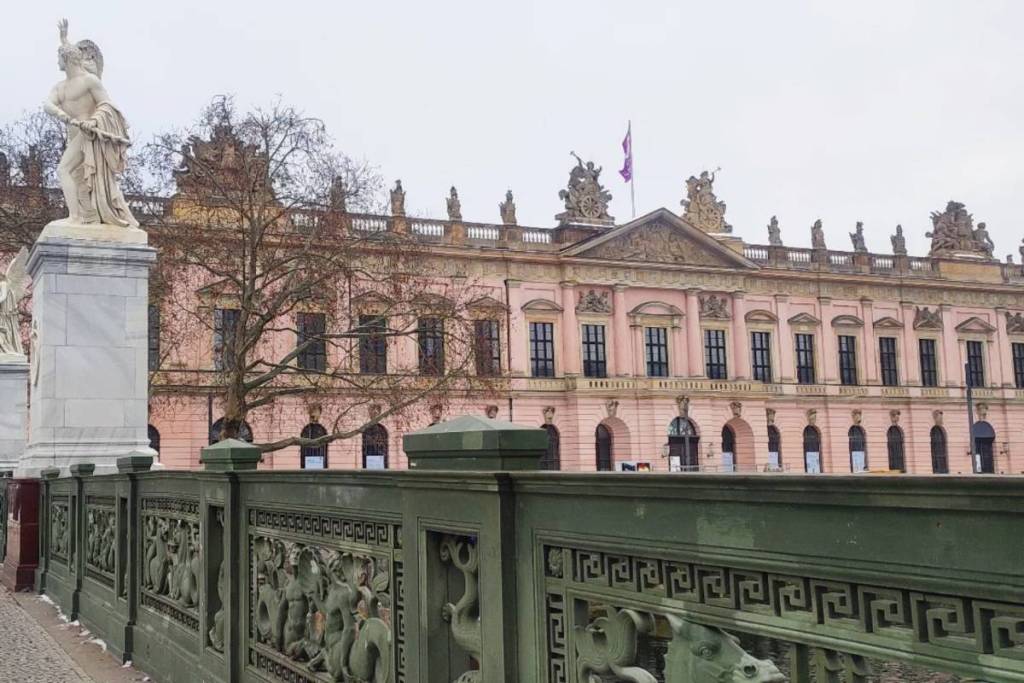

“Everything used to be more beautiful”—a phrase that comes up time and again, especially when looking at Berlin’s architecture from before World War II. Where magnificent Art Nouveau city palaces once shaped the cityscape, in many places hardly anything remains of their former beauty today. Fortunately, however, not all historic buildings fell completely victim to the destruction of the war. Among the few survivors is the Old Palace (Kaiser-Wilhelm-Palais), which, right in the heart of Berlin, tells a story spanning nearly 200 years.
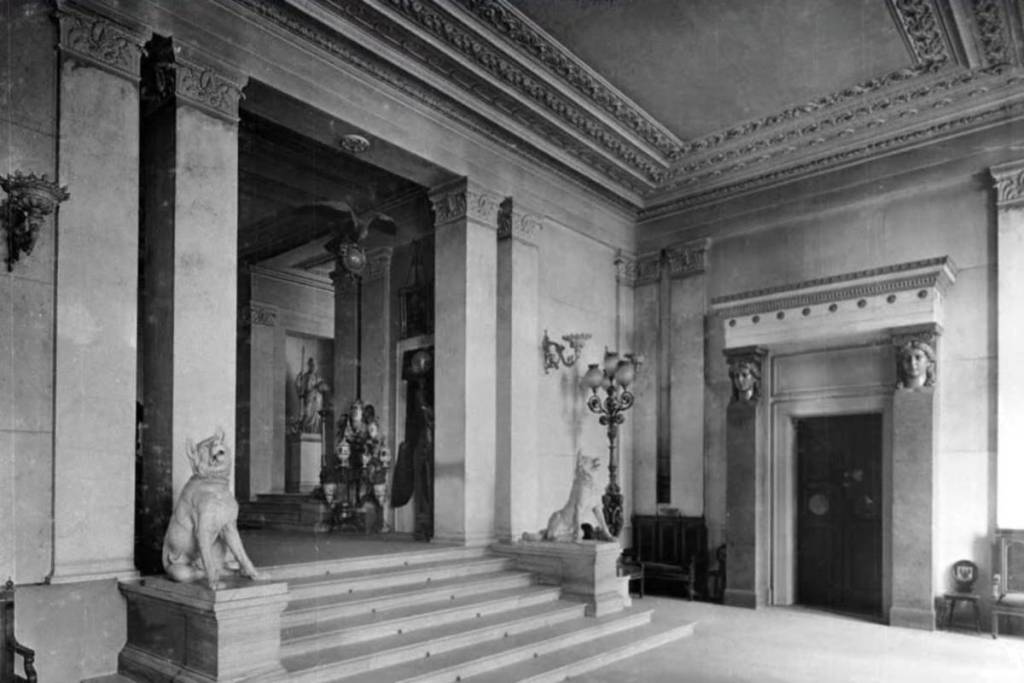
While the Brandenburg Gate, Berlin Cathedral, and the reconstructed City Palace are among the capital’s most famous landmarks, another architectural testament to Prussia’s past receives significantly less attention. Yet one of the most powerful men in Europe once lived here: Wilhelm I, the first German Emperor. The Old Palace, also known as the Kaiser Wilhelm Palace, was his personal residence for decades. Today, much of the exterior still evokes its glorious past, but life behind its walls has changed fundamentally.
The history of the Old Palace dates back to the 17th century, when the so-called Schwedt Palace still stood at what is now Unter den Linden 9. In 1827, Prince Wilhelm of Prussia moved into the property, but it wasn’t long before plans were made to replace it with a much more prestigious residence. Between 1834 and 1837, Wilhelm therefore had a new city palace built according to plans by architect Carl Ferdinand Langhans. The Neoclassical building impressed with its elegant façade, monumental columns, ornate decorations, and a grand balcony.
Inside, residents were greeted by a magnificent world of elaborately designed salons, private chambers, and stately reception rooms. Together with his wife Augusta, Wilhelm lived here for decades and remained at his familiar residence even after he ascended to the throne as King of Prussia in 1861 and eventually became the first German Emperor in 1871. While the Berlin City Palace was used primarily for major state ceremonies, the Old Palace remained his personal retreat and, at the same time, an important venue for political and social life.
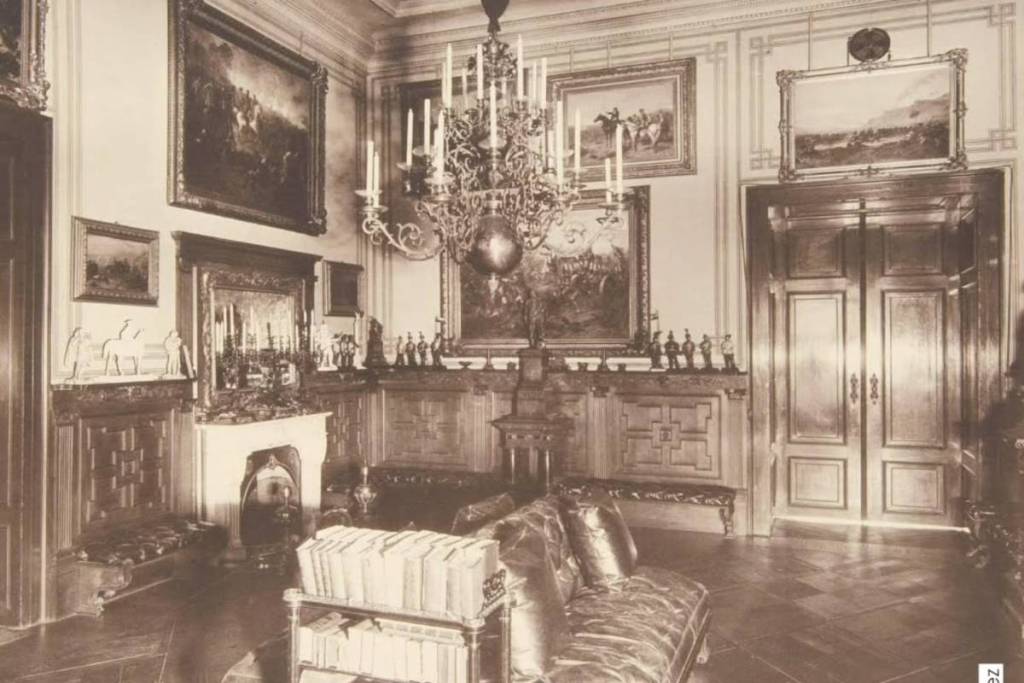
In 1943, the Old Palace was severely damaged during the air raids on Berlin. The interior of the building burned to the ground, and the historic living quarters, with their precious furnishings, were largely destroyed. What had served for generations as a symbol of monarchical power and Prussian prestige was left behind as a damaged structure.
Unlike many of Berlin’s other city palaces, however, the Old Palace did not disappear entirely from the cityscape. Significant portions of its exterior walls survived the destruction. It wasn’t until about two decades later, between 1963 and 1964, that the building was rebuilt under the direction of architect Fritz Meinhardt. While the historic street-facing facade was largely reconstructed to match its original appearance, the interior was given a completely new design. In place of the former imperial salons, modern spaces for university operations were created.
Today, the Old Palace at Unter den Linden 9 is home to the Law School of Humboldt University of Berlin. Where Emperor Wilhelm I once received political guests and resided with his wife Augusta, students now attend lectures, study legal texts, and prepare for their careers in law.