
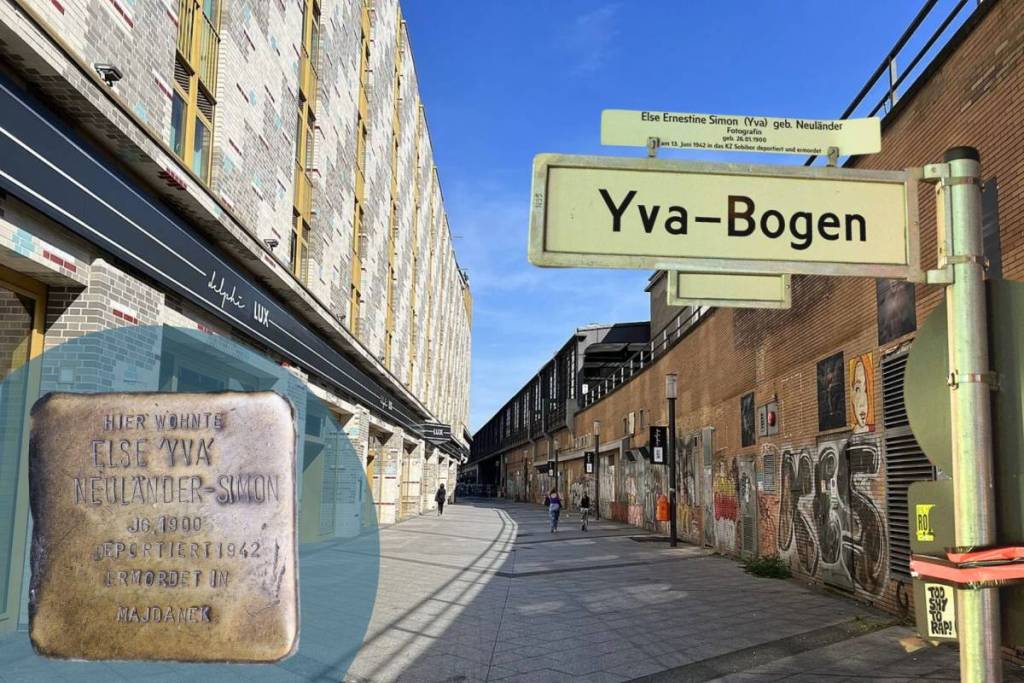
We walk through the Yva Arch between Hardenbergstraße and Kantstraße, passing under the tram viaduct. The passage is named after one of the most important Berlin photographers of the 20th century.
Else Ernestine Neuländer was born on January 26, 1900, in Kreuzberg. She was the youngest of nine children in a Jewish family. When she was 12, her father died; her mother supported the family by working as a milliner.
After completing her training (presumably at the Lette Association) and a brief internship at a film studio, where she learned how to work with light, she opened her own studio in 1925—at the age of just 25—not far from Kurfürstendamm. Her stage name: Yva.
Yva: The Photographer Who Taught Berlin to Dream
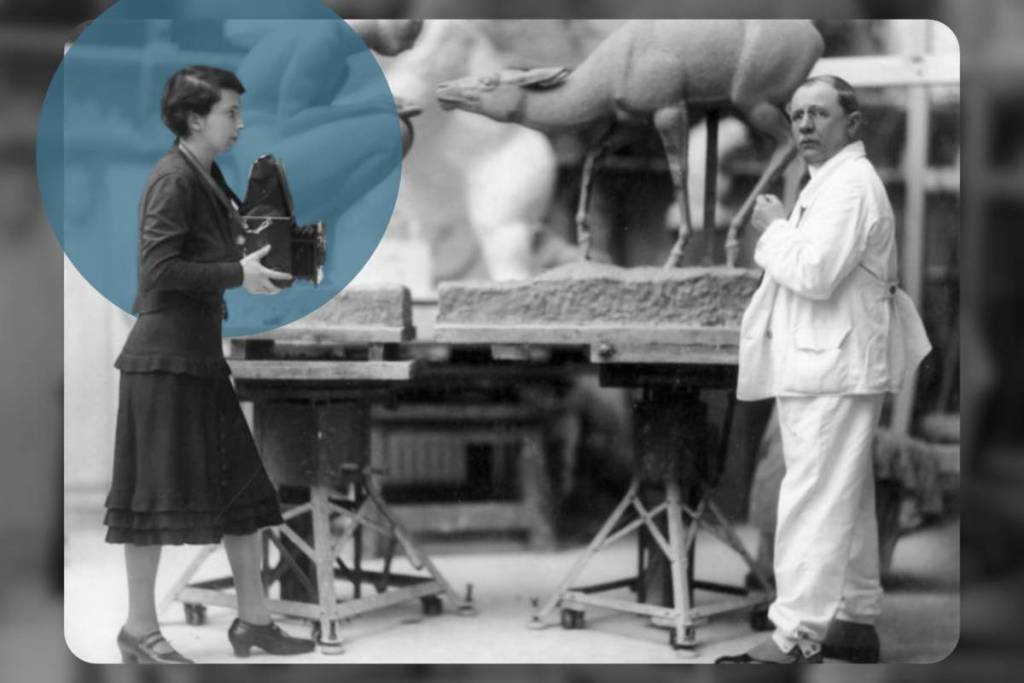
Success came quickly. Yva photographed fashion, portraits, and advertisements; her pictures appeared in the *Berliner Illustrirte Zeitung* and *Die Dame*. At times, she employed 10 staff members. An entrepreneur in a male-dominated industry.
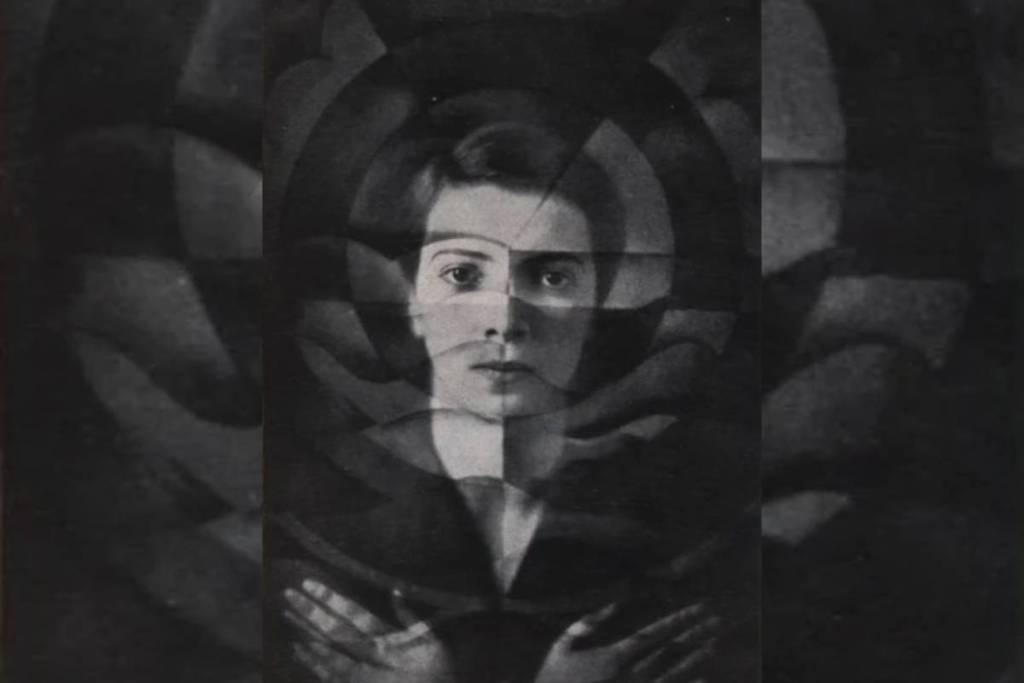
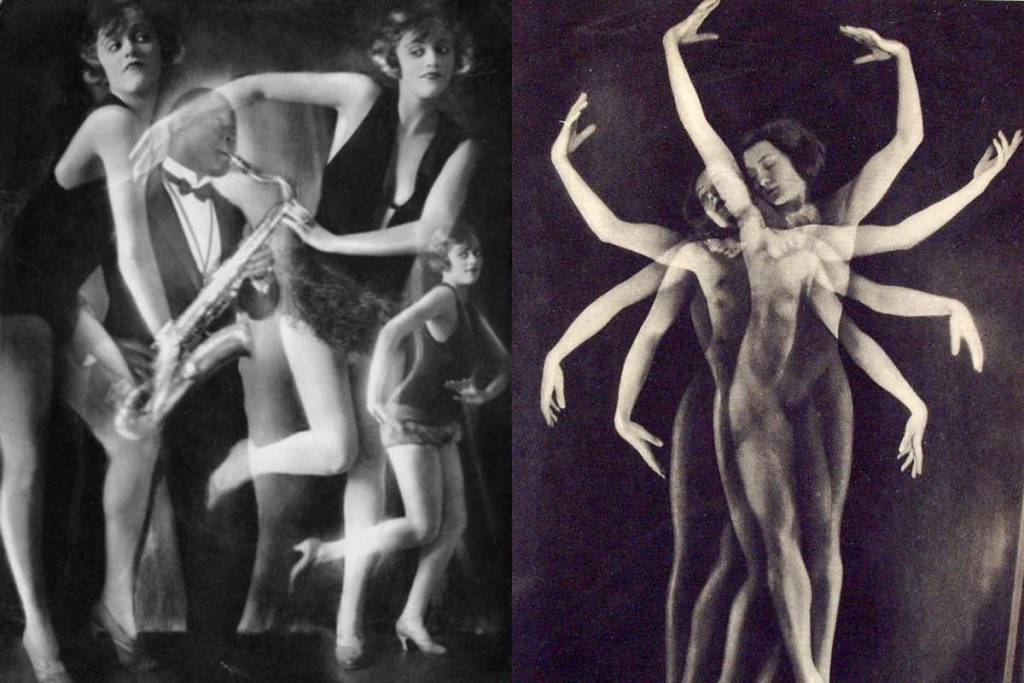
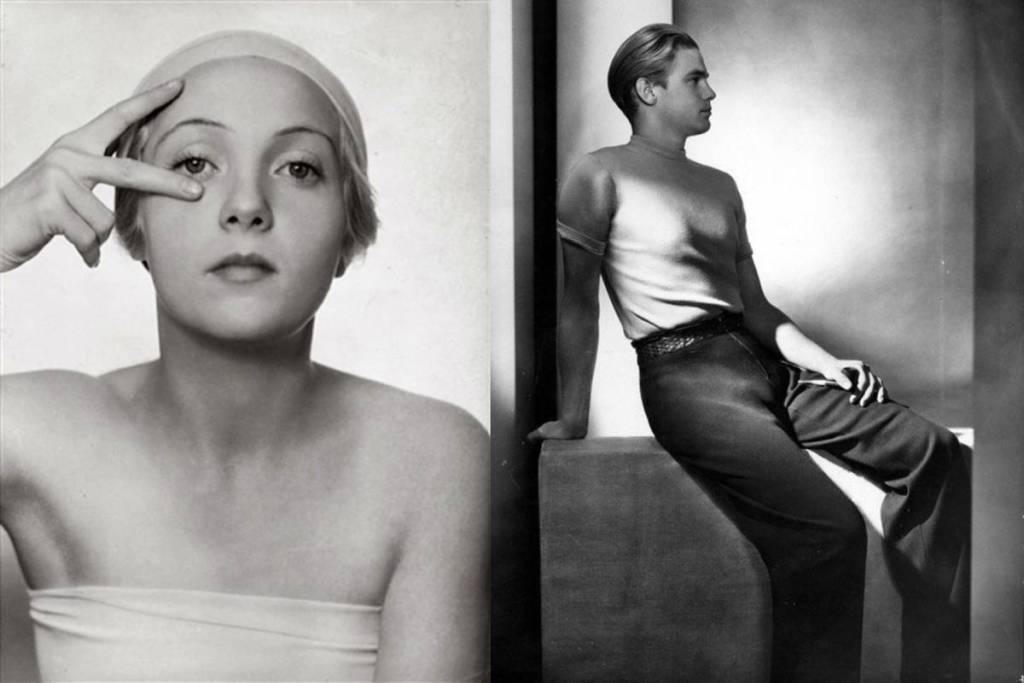
Her signature style was double exposures and cross-fades, which she used to transform stockings, hats, and women’s legs into floating, dreamlike images. The photograph “Pursuit” (see bottom left) is reminiscent of the Expressionist film worlds of Fritz Lang.

The end began with the Nazi rise to power in 1933. In 1934, Else Neuländer married the businessman Alfred Simon, who took over the studio’s financial management; that same year, the studio moved to Schlüterstraße 45.
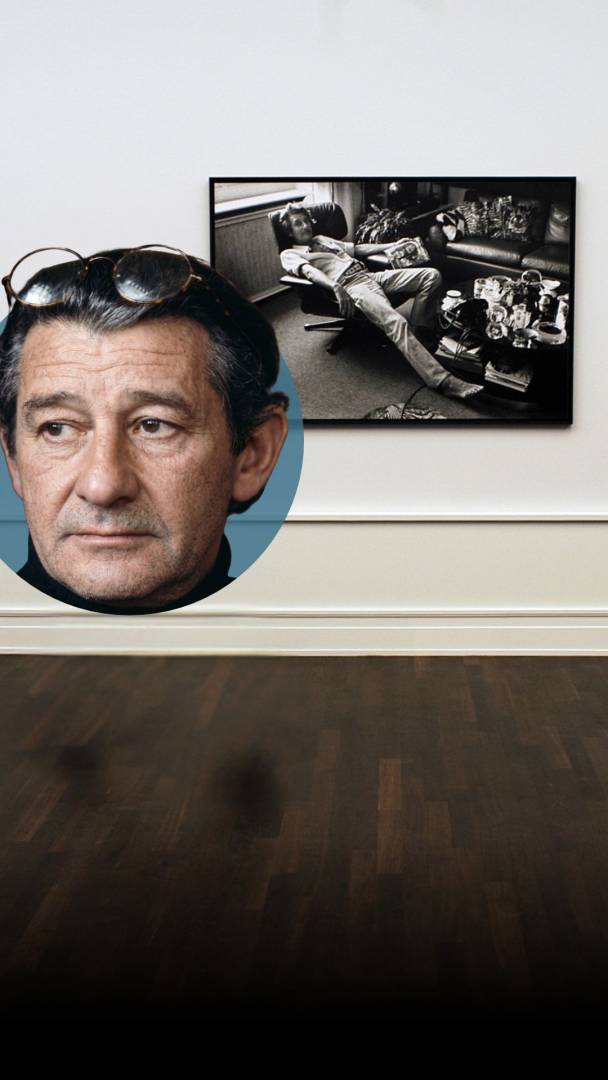
But the pressure on Jewish business owners was mounting. In 1936, she had to transfer ownership of her business to her friend, the art historian Charlotte Weidler, to avoid further harassment. That same year, a young man began his apprenticeship with her: Helmut Newton, who later became a world-renowned star of fashion photography and credited Yva as a formative influence.
Yva’s Death and Legacy
The Reich Chamber of Culture moved into the building on Schlüterstraße. On June 1, 1942, the Gestapo arrested Else and Alfred Simon; on June 13, both were deported, bound for Majdanek or Sobibor. It is considered likely that they were murdered shortly thereafter; they were officially declared dead on December 31, 1944.
For a long time, her name appeared only as a footnote in the biography of her famous student. That is changing. Anyone who wants to follow in her footsteps should start at the Yva Arch and head to Schlüterstraße 45, where Stolpersteine have commemorated the couple since 2005. There, you stand in front of the house where a woman defended her work—and are left wondering just how much Berlin has lost.