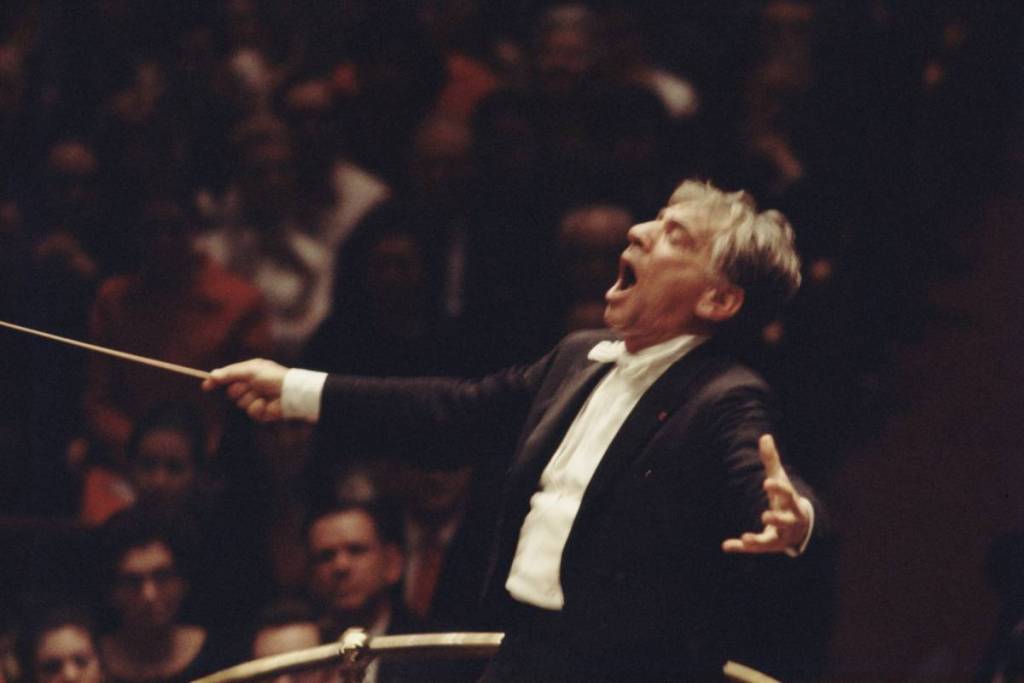

In divided Berlin, music was far more than just entertainment—it became a symbol of freedom, hope, and the desire for change. While Udo Lindenberg provoked the GDR leadership in 1983 with his song “Sonderzug nach Pankow” and Bruce Springsteen spoke of a world without walls to hundreds of thousands of people at his legendary concert in East Berlin in 1988, Leonard Bernstein made another musical statement just a few weeks after the fall of the Berlin Wall. On Christmas Day 1989, the world-famous conductor led a performance of Beethoven’s Ninth Symphony at the Schauspielhaus in East Berlin—but with one crucial change: on that historic evening, the famous “Ode to Joy” became an “Ode to Freedom.”
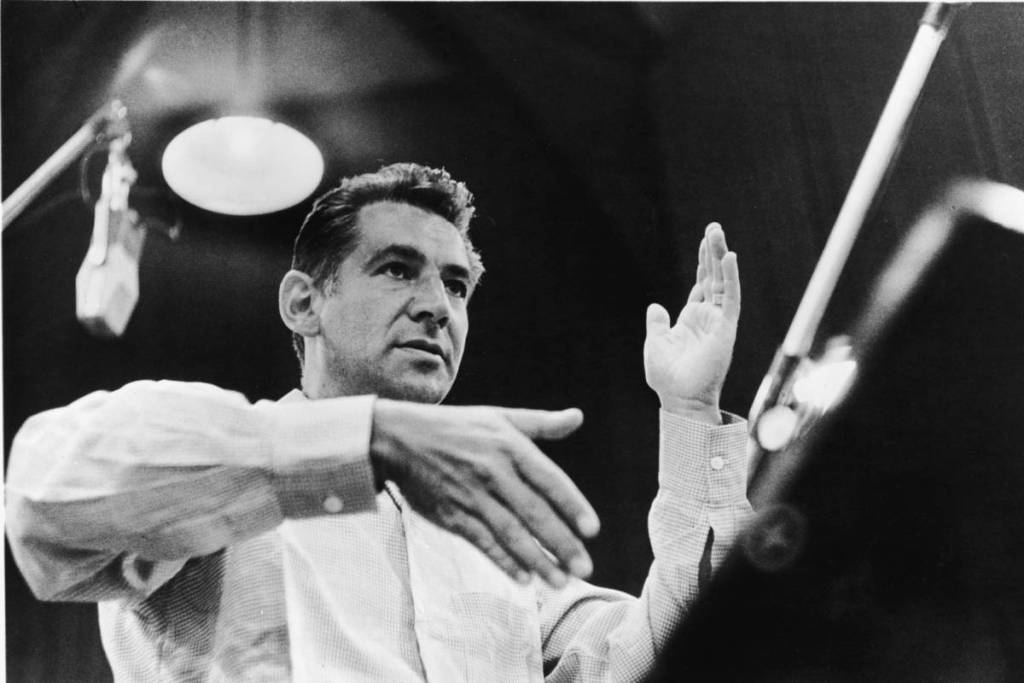
On December 25, 1989, just a few weeks after the fall of the Berlin Wall, an extraordinary Christmas concert took place at the East Berlin Schauspielhaus on Gendarmenmarkt. The world-famous American conductor Leonard Bernstein conducted Ludwig van Beethoven’s Ninth Symphony, one of the most famous works of classical music. But this time, the famous final chorus was performed in an unusual version: Instead of “Joy, beautiful spark of the gods,” the choir sang “Freedom, beautiful spark of the gods.”
With this deliberate change, Bernstein transformed Friedrich Schiller’s “Ode to Joy” into a musical tribute to the fall of the Wall. The decision was particularly symbolic, as Berlin had stood for the division of Europe for decades. Now, in East Berlin of all places, a work was performed whose message of human solidarity took on new historical significance.
The composition of the orchestra was particularly extraordinary. Alongside musicians from the Bavarian Radio Symphony Orchestra, members of the Staatskapelle Dresden as well as musicians from New York, London, Paris, and what was then Leningrad took part. This meant that the four Allied powers of World War II—which had divided Berlin among themselves after 1945—were also represented. On stage, musicians from countries whose political differences had shaped the city for decades played together.
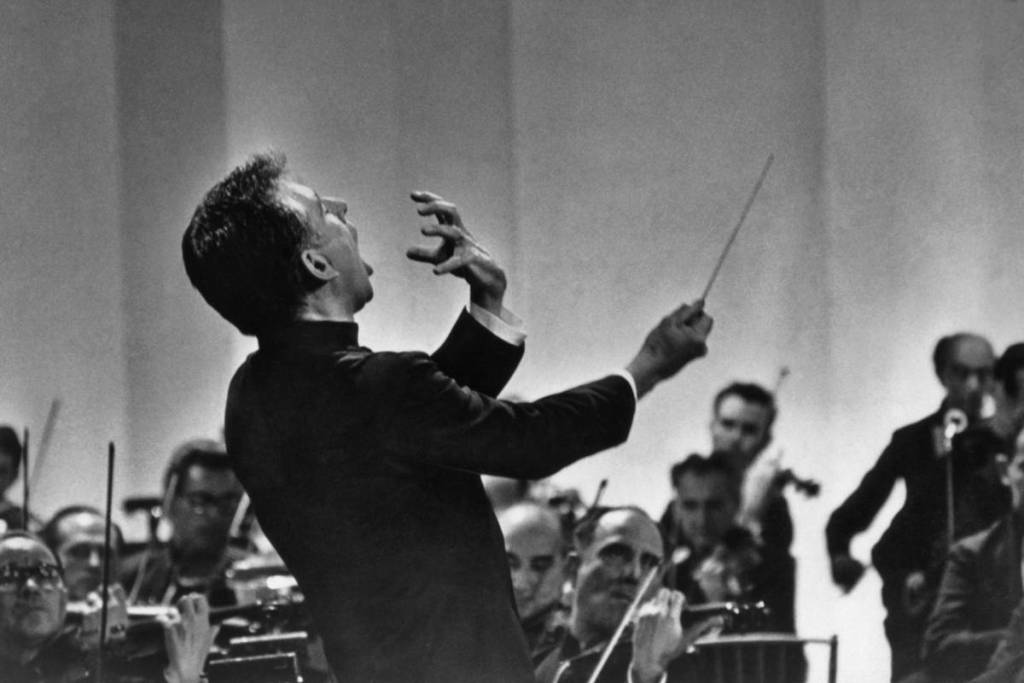
The Christmas concert was part of a special musical celebration that took place on both sides of the former border. Bernstein had already conducted Beethoven’s Ninth at the Philharmonie in West Berlin on December 23. This was followed on December 25 by the historic performance at the Schauspielhaus in East Berlin, now known as the Konzerthaus Berlin. According to the Leonard Bernstein Office, the broadcast reached more than 100 million television viewers worldwide. Bernstein himself was deeply moved by the events in Berlin. He was convinced that Beethoven would have approved of the change to the text. During his stay, the conductor walked through the reopened Brandenburg Gate and even chipped off a piece of the Berlin Wall with his own hands. In doing so, he took home a personal memento of that historic moment.
The performance took on special significance in part because German reunification was still on the horizon at the time. It was not until October 3, 1990, that the two German states were officially reunified. Bernstein’s concert thus took place during a transitional period in which the Wall had already been opened, but Germany remained politically divided. Today, the Konzerthaus am Gendarmenmarkt commemorates that extraordinary Christmas Eve. Bernstein’s interpretation is still regarded today as a musical symbol of the fall of the Berlin Wall. By changing a single word, he had imbued a musical work more than 160 years old with a new historical message.