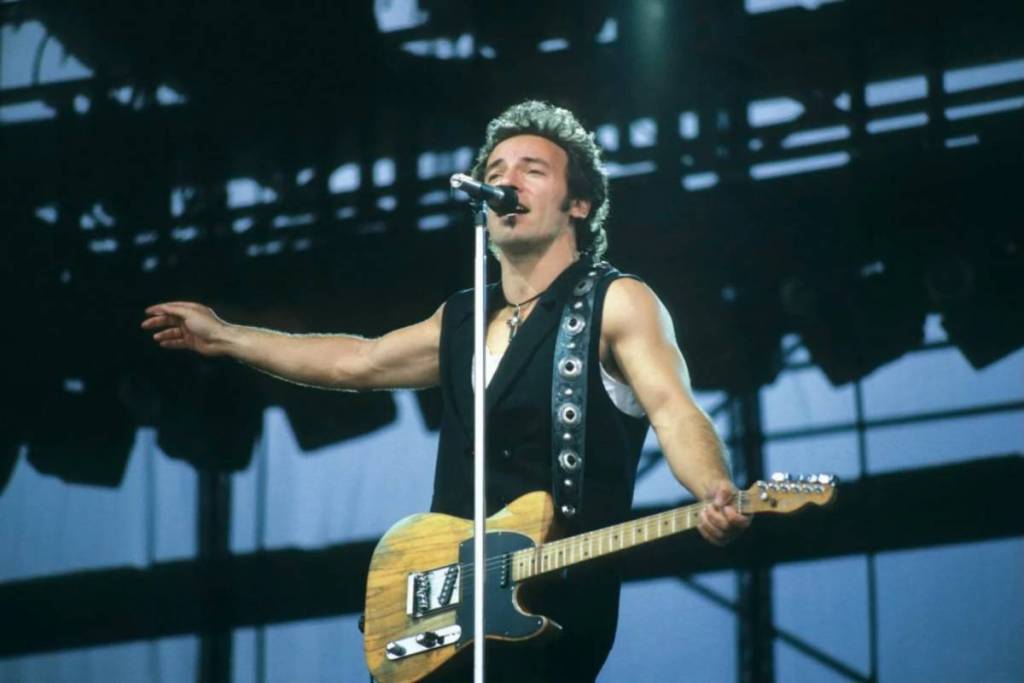

Berlin has always been a stage for the world’s greatest music legends. But during the division of Germany, concerts took on a significance that went far beyond music. When David Bowie performed in front of the Reichstag in 1987 and Michael Jackson in 1988, countless people on the other side of the Wall were also listening. In the summer of 1988, Bruce Springsteen finally made music history right in the heart of East Berlin. In front of a crowd of around 160,000 people, the American rock star played one of the greatest concerts of his career and delivered a message to his audience that still resonates today. Just 16 months later, the Berlin Wall fell.
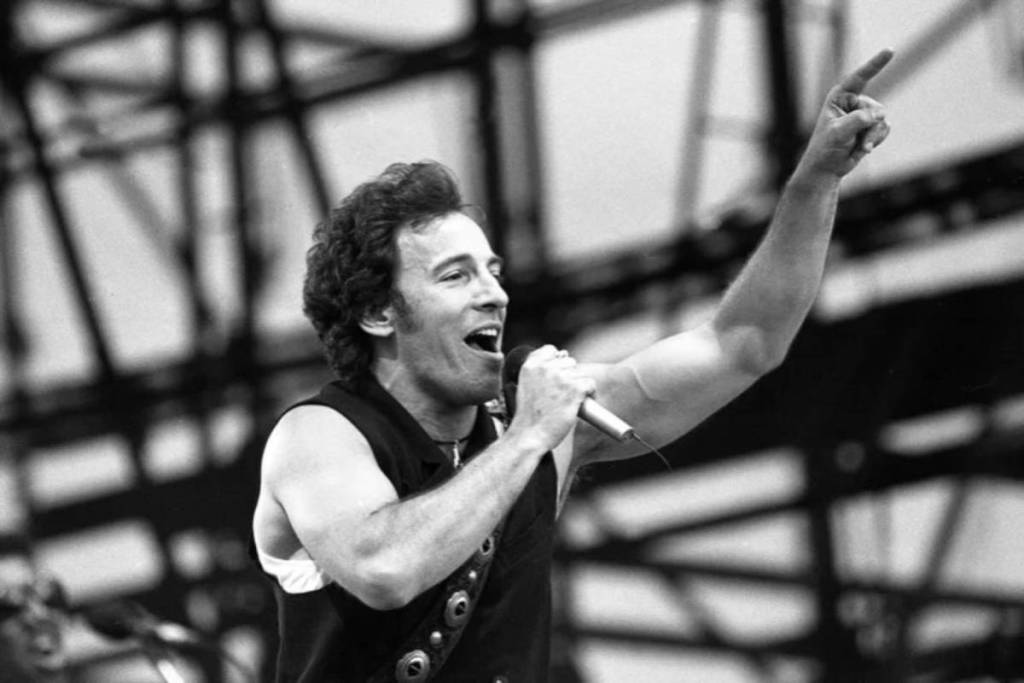
On July 19, 1988, something extraordinary happened in East Berlin. American rock star Bruce Springsteen performed in front of hundreds of thousands of people at the Weißensee Velodrome, thereby making a piece of German music history. At a time when the Berlin Wall still divided the city in two and Western pop culture was politically controlled in the GDR, one of the world’s most famous musicians stood on a stage in the eastern part of the city. What was initially planned as a massive rock concert evolved into an evening that took on significance far beyond music.
What was particularly remarkable was that the GDR leadership had actually approved the performance itself. The concert was organized by the Free German Youth (FDJ), the GDR’s state-run youth organization. But while those in charge hoped to win the sympathy of the young population with the American superstar, Springsteen used his performance to convey a message about freedom and overcoming borders. Just about 16 months later, the Berlin Wall would fall.
Political leaders gradually realized that strict bans alone were not enough to win over the younger generation to the socialist system. Instead, large concerts featuring international artists were intended to show that the GDR, too, could offer an attractive cultural experience. To the leaders, Bruce Springsteen seemed a particularly suitable artist for this purpose. The American musician was known for his socially critical lyrics, in which he frequently addressed the realities of life for the American working class, social inequality, and economic hardship. His music was therefore, at least in part, compatible with the political ideals of the GDR leadership.
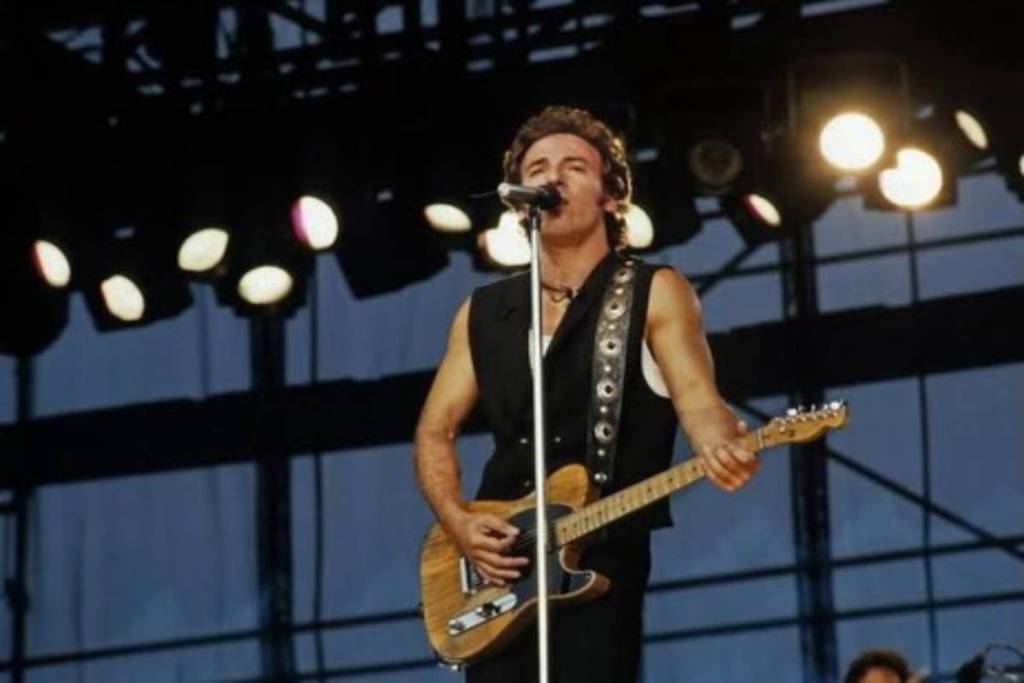
Long before the concert began, it was clear that the evening would exceed all expectations. Around 160,000 tickets had been sold, but many more people made their way to the Weißensee Velodrome without tickets. Given the enormous turnout, additional visitors were eventually allowed onto the grounds.
To this day, it remains unclear exactly how many people were actually in attendance. While official figures put the number of tickets sold at around 160,000, numerous later estimates suggest there were as many as 300,000 attendees. This made the concert one of the largest rock events ever held in the GDR.
Tickets cost 20 East German marks. For many fans, this offered a rare opportunity to see an internationally acclaimed American musician perform live without having to travel to the West. People began gathering at the venue hours before the show started. Some had brought homemade American flags, while others simply wanted to enjoy the extraordinary atmosphere.