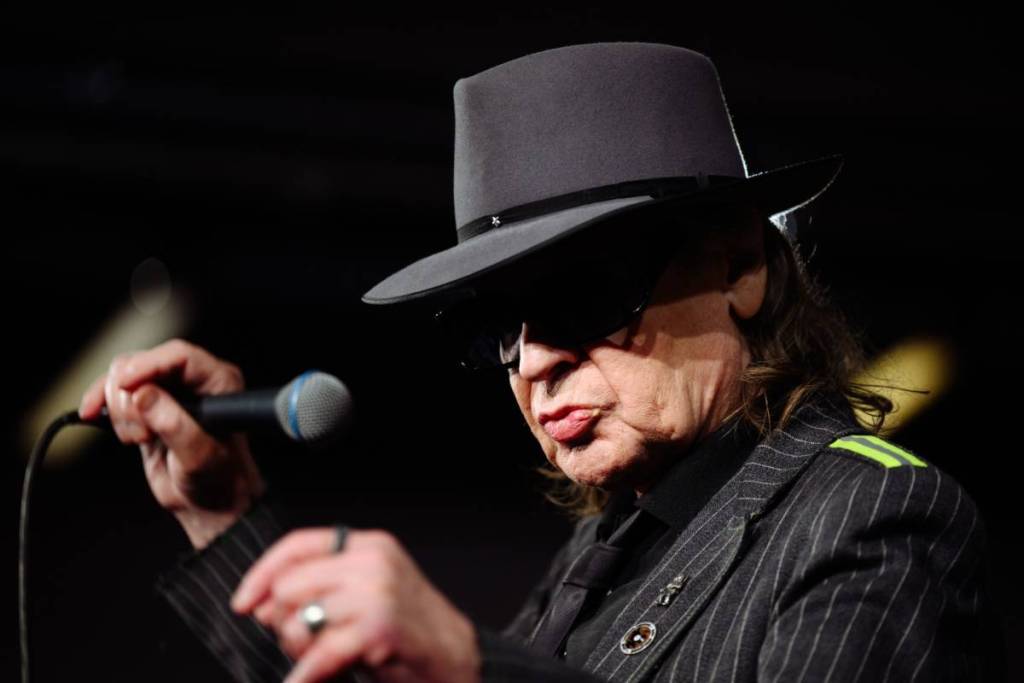

Berlin has always been a stage for music history. While David Bowie made history with his music and his legendary concert at the Berlin Wall in 1987, Bruce Springsteen thrilled hundreds of thousands of people with his performance in East Berlin in 1988. But Udo Lindenberg also caused a stir a few years earlier. With his song “Sonderzug nach Pankow” (“Special Train to Pankow”), he provoked the GDR leadership in 1983 and thus became a political issue. Although he was allowed to perform in East Berlin for the first time that same year, it was only for 15 minutes and without his famous protest song. His GDR tour, planned for 1984, was ultimately canceled entirely.
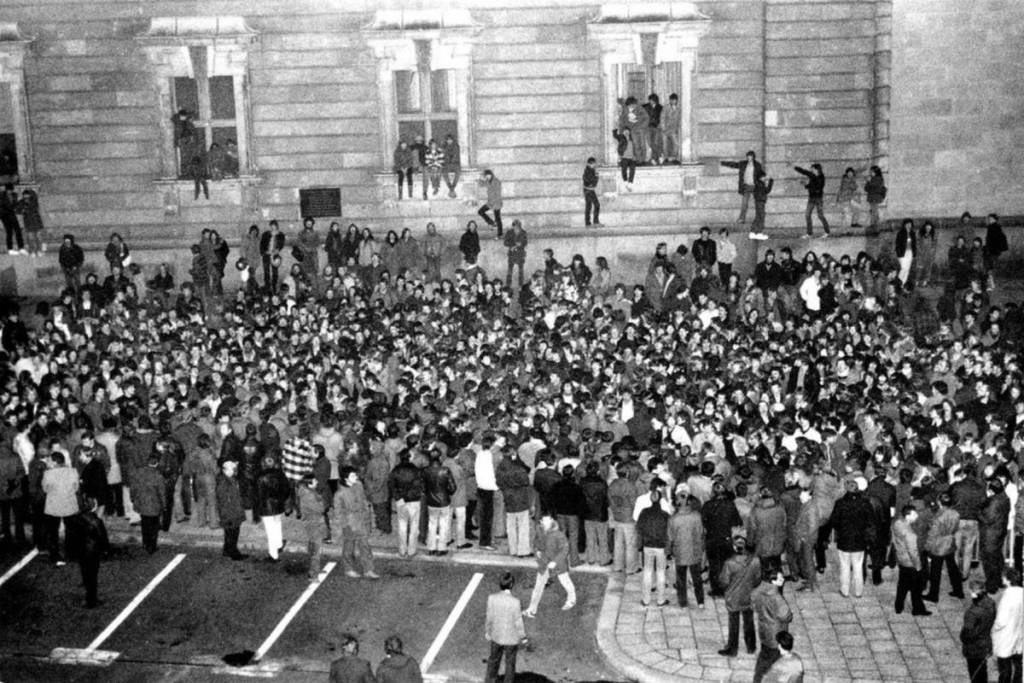
On October 25, 1983, Udo Lindenberg wrote a special chapter in German-German music history. The West German rock star was allowed to perform for the first time at the Palace of the Republic in East Berlin—of all places, the political and cultural center of the GDR. But his performance lasted just 15 minutes. Although Lindenberg had numerous fans in the East, it remained his only official GDR concert before the fall of the Wall. His tour planned for 1984 was canceled by the GDR leadership.
As early as the 1970s, Lindenberg had wanted to perform in the GDR, but the leadership rejected his requests to hold concerts. In February 1983, he finally released his famous song “Sonderzug nach Pankow,” in which he addressed State Council Chairman Erich Honecker directly and demanded the right to hold concerts in the East. The song was viewed by the GDR authorities as a political provocation and was banned from being played on state radio.
The fact that Lindenberg was nevertheless allowed to perform a few months later was primarily thanks to the American singer Harry Belafonte and his concert manager Fritz Rau. They advocated for his participation in an international peace event organized by the FDJ at the Palace of the Republic. The East German leadership finally agreed, but on the condition that Lindenberg not sing his provocative song.
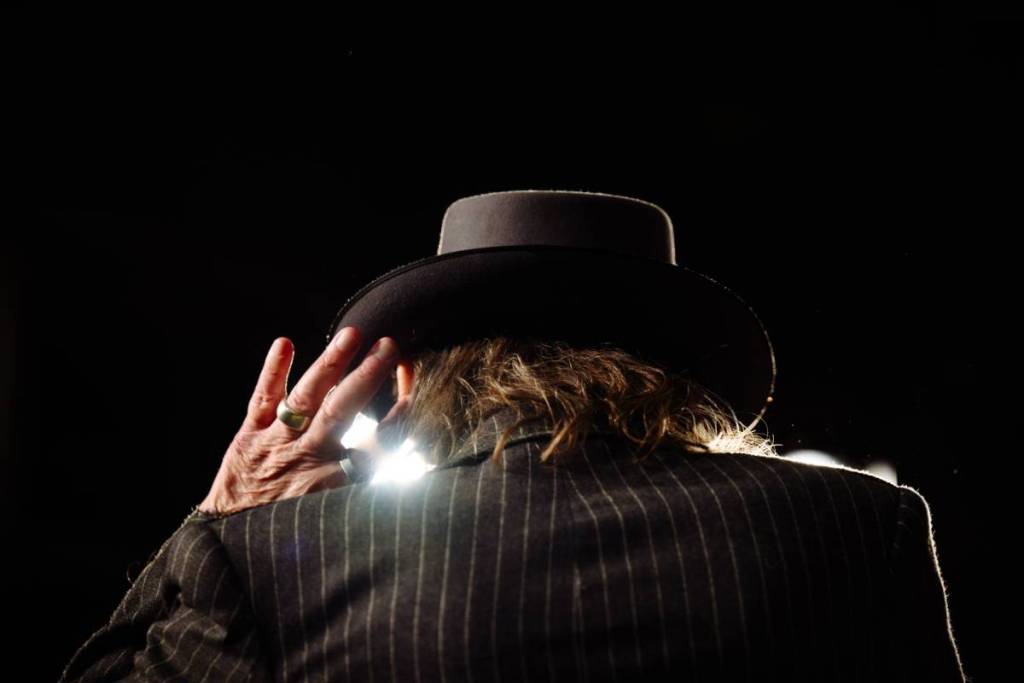
On October 25, Lindenberg finally took the stage in front of a carefully selected audience. According to Stasi files, 3,824 East German citizens were admitted to the event. The Stasi had meticulously prepared for his visit and monitored his movements, encounters with fans, and contacts with journalists.
The brief performance was originally intended to pave the way for a larger tour of the GDR in the summer of 1984. But resistance to the planned concerts grew within the leadership. Those in charge apparently feared political tensions and uncontrollable crowds. In January 1984, the tour was finally canceled.
It wasn’t until after the fall of the Berlin Wall that Lindenberg’s long-cherished wish came true. On January 6, 1990, he began his first tour of the GDR with a concert in Suhl. Further performances in East German cities followed. This allowed the musician to finally play for the fans who had been waiting for him for years.