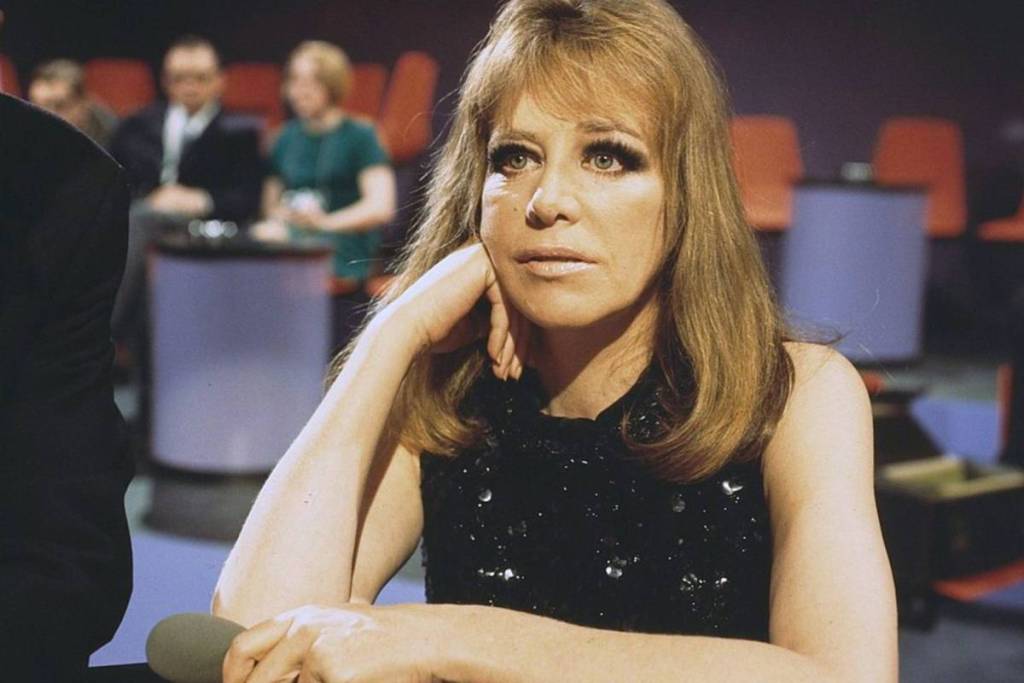

When people think of Hildegard Knef, they think of a husky voice singing “Für mich soll’s rote Rosen regnen.” What is less well known is that in April 1945, she was neither on stage nor in front of a camera, but was wearing a uniform that was several sizes too big for her.
Hildegard Knef: A Schöneberg Child in the Movies
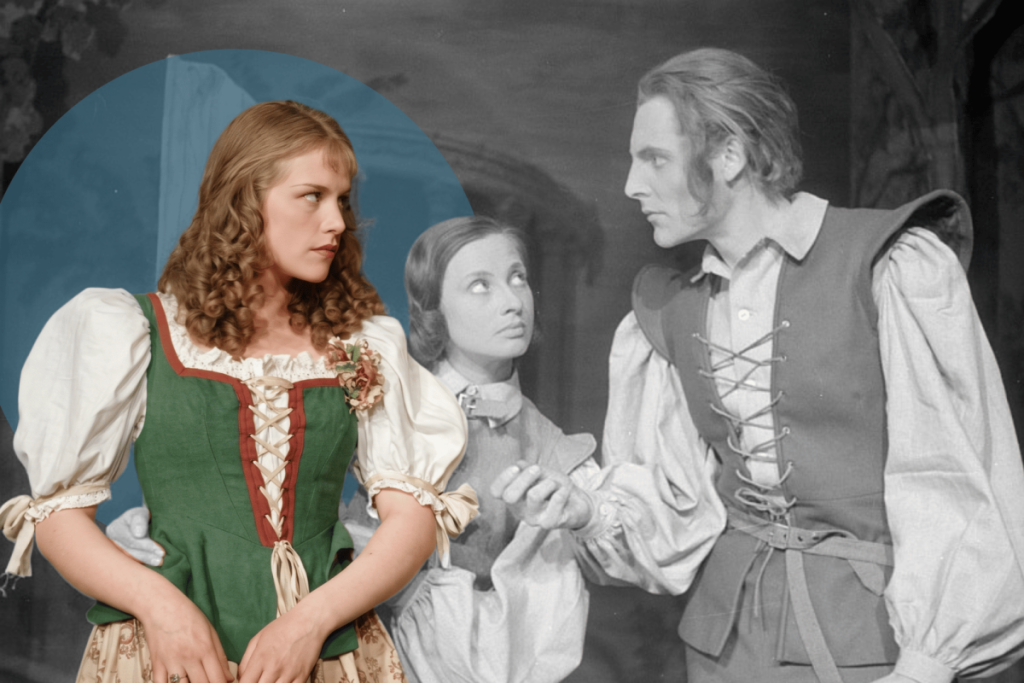
Born in Ulm in 1925, Hildegard Knef grew up in Schöneberg. Even as a teenager, she was drawn to film: She started at UFA, initially drawing animated films, and then transferred to the studio’s acting school. Her first roles followed, but the war prevented her breakthrough.
During this time, she met Ewald von Demandowsky, head of production at Terra Film—a man nearly two decades her senior and an influential figure in the Nazi film industry. Her relationship with him would lead her into the thick of the Battle of Berlin in the spring of 1945.
April Battles of 1945
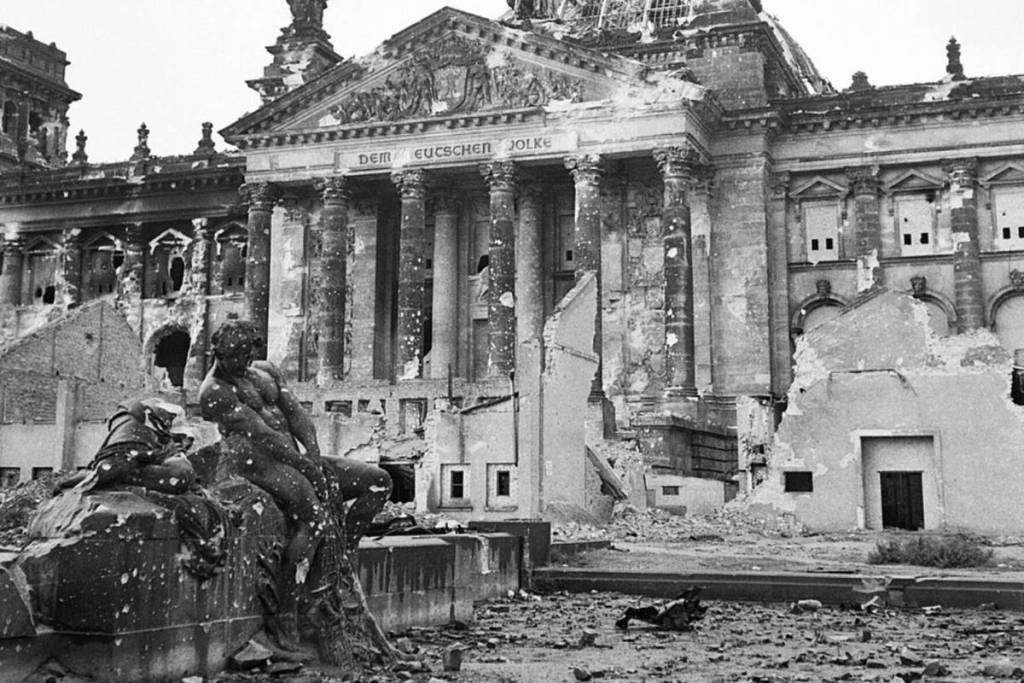
When the Red Army advanced on the city in April, Knef was 19. According to her own account in the autobiography *Der geschenkte Gaul* (1970), she cut her hair short, slipped into men’s clothing, and followed her lover into battle. Disguised as a soldier named “Heinz,” she experiences street fighting, shelling, and death all around her.
Soon afterward, she was taken prisoner by the Soviets. It was only there that it became apparent that the supposed young soldier was a woman. After three months, she managed to escape; sick and injured, she made her way back through the ruins of Berlin. Demandowsky died in 1946 while in Soviet custody.
Disclaimer: The extent to which this story actually happened exactly as told is a matter of debate among historians.
A New Beginning Amid the Ruins

By 1946, she was back in front of the camera: In Wolfgang Staudte’s “Die Mörder sind unter uns” (The Murderers Are Among Us), the first German feature film of the postwar era, shot amid the ruins of Berlin, she played a concentration camp survivor returning home to the city in ruins. The film brought her fame.
The girl in the uniform that was much too big grew up to become one of the most famous Berliners of her time: an actress, singer, and author. Anyone walking through Schöneberg today is walking through the neighborhood where this extraordinary career began.