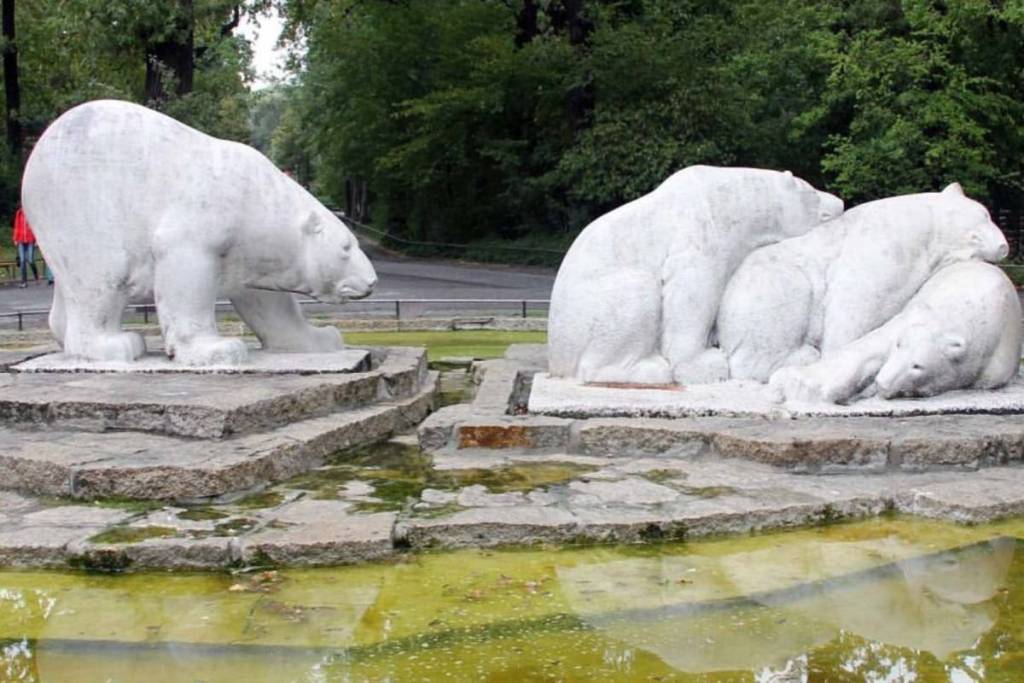

History was made on every corner of Berlin—from a colony of villas where Rainer Maria Rilke lived to a square with a centuries-old wine fountain. But where was the true meeting place of Berlin’s art scene back then? The Wilmersdorf artists’ colony is one of the capital’s most historic yet least-known residential neighborhoods. Tucked away between Südwestkorso, Bonner Straße, Kreuznacher Straße, and Steinrückweg, a residential complex was built in the late 1920s specifically for artists, writers, musicians, and actors .
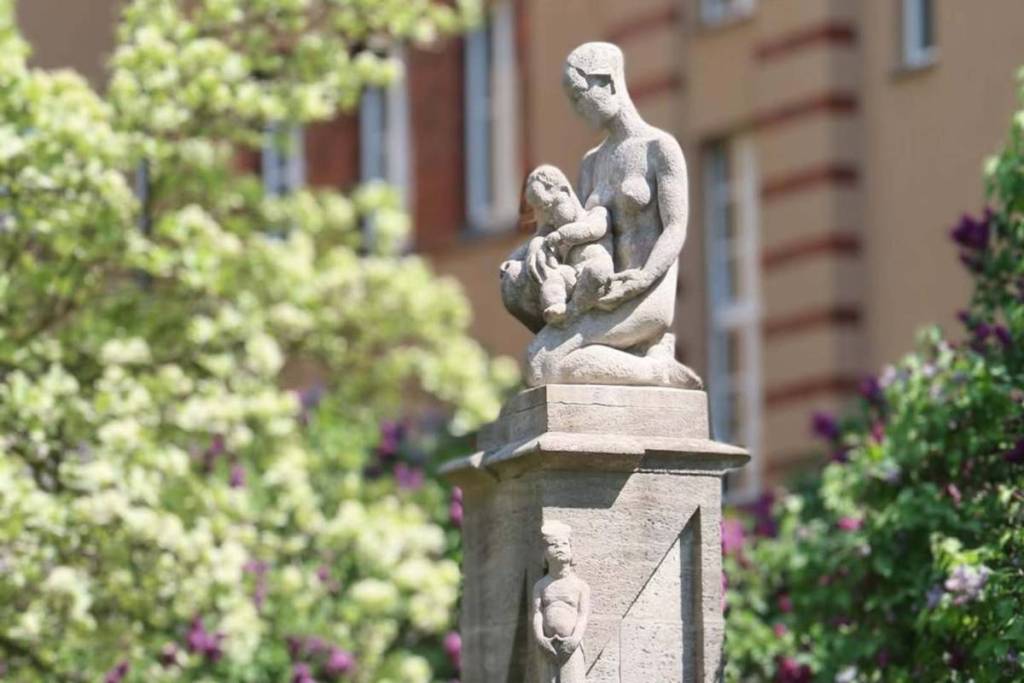
To this day , numerous commemorative plaques, Stolpersteine, and the historic building complex serve as reminders of the eventful past of this special place. The artists’ colony is located in the Wilmersdorf neighborhood, just a few minutes’ walk from Breitenbachplatz. The cornerstone for the artists’ colony was laid on April 30, 1927 . A total of around 700 apartments were built here, spread across several apartment blocks. Ludwig-Barnay-Platz remains the center of the settlement to this day. The entire complex is part of the historic garden city on Südwestkorso and has been a protected historic site since 1990.
The artists’ colony was established by the advocacy groups representing artists and theater professionals at the time. The goal was to provide artists with affordable, bright, and modern apartments featuring contemporary amenities . One of the initiators was the actor Gustav Rickelt, who championed better and more affordable housing for artists.
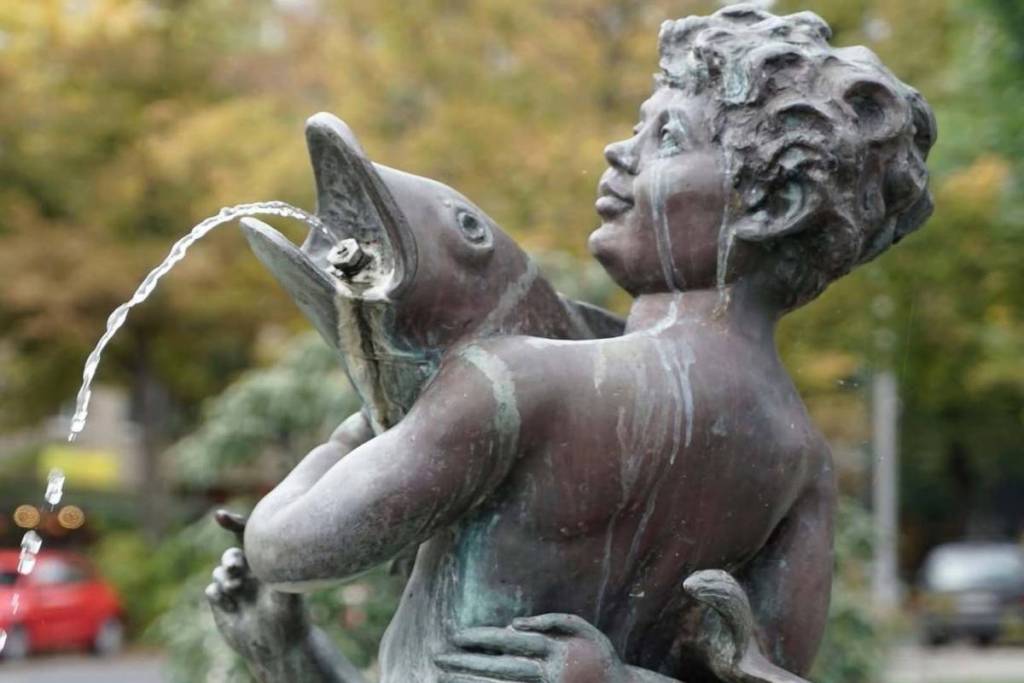
Just a few years after its founding, the artists’ colony developed into a vibrant hub of Berlin’s cultural scene during the Weimar Republic. Numerous writers, actors, musicians, and intellectuals lived here side by side. Due to its politically active residents, the settlement soon earned the nicknames “Roter Block” and “Rote Tintenburg.”
However, after the National Socialists seized power, life in the artists’ colony changed abruptly. On March 15, 1933, the settlement was the target of a large-scale raid. Many residents were arrested, persecuted, forced into exile, or later murdered in concentration camps. The book burnings on what was then Laubenheimer Platz are also among the darkest chapters in its history. Today, a memorial on Ludwig-Barnay-Platz commemorates the victims of Nazi persecution.
Among the most famous residents of the artists’ colony were the actor Ernst Busch, the philosopher Ernst Bloch, the poet Peter Huchel, the actress Steffie Spira, the silent film icon Brigitte Helm, the writer Dinah Nelken, and Helene Jacobs, who helped Jews persecuted during the Nazi era and was later honored as a resistance fighter.