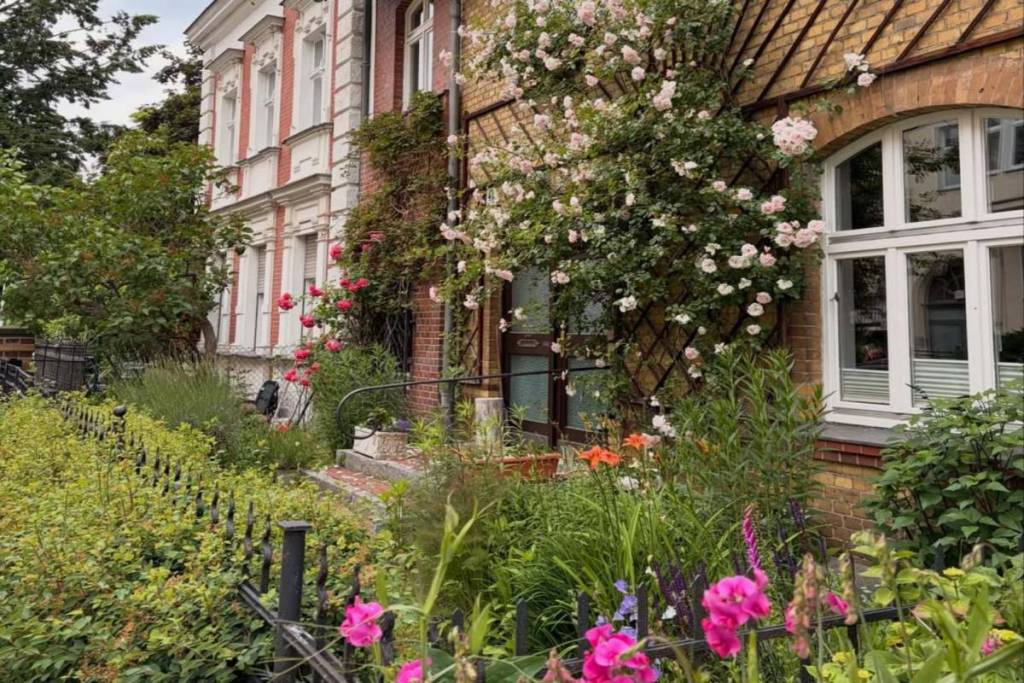

Finding a bit of peace and tranquility amid the hustle and bustle of the capital isn’t that hard. Sure, it’s easy to do so in green oases ranging from Körnerpark to Luiseninsel. But did you know that there’s actually a real village right in the middle of Berlin? Schmargendorf is one of the capital’s quietest and greenest neighborhoods and is part of the Charlottenburg-Wilmersdorf district. With its historic villas, plenty of nature, and almost village-like charm, the neighborhood feels more like a small retreat than part of a metropolis.
Schmargendorf is located in the southwest of Berlin, between Grunewald, Wilmersdorf, and Halensee. Schmargendorf was first mentioned in a document in 1354, making it one of Berlin’s oldest settlements . It covers an area of approximately 3.6 square kilometers and consists of a total of 78 streets and 9 squares with a combined length of about 39.5 kilometers. Between 1899 and 1920, Schmargendorf was an independent municipality before it was incorporated into Greater Berlin as part of the city’s expansion.
Recommended Articles
 In 1987, Bob Dylan was allowed to perform in East Berlin for the first time—tens of thousands of East German fans experienced the American music legend live in Treptower Park
 Daycare Crisis in Berlin: At Least 48 Facilities to Close in 2026—Over 1,700 Childcare Spots to Disappear
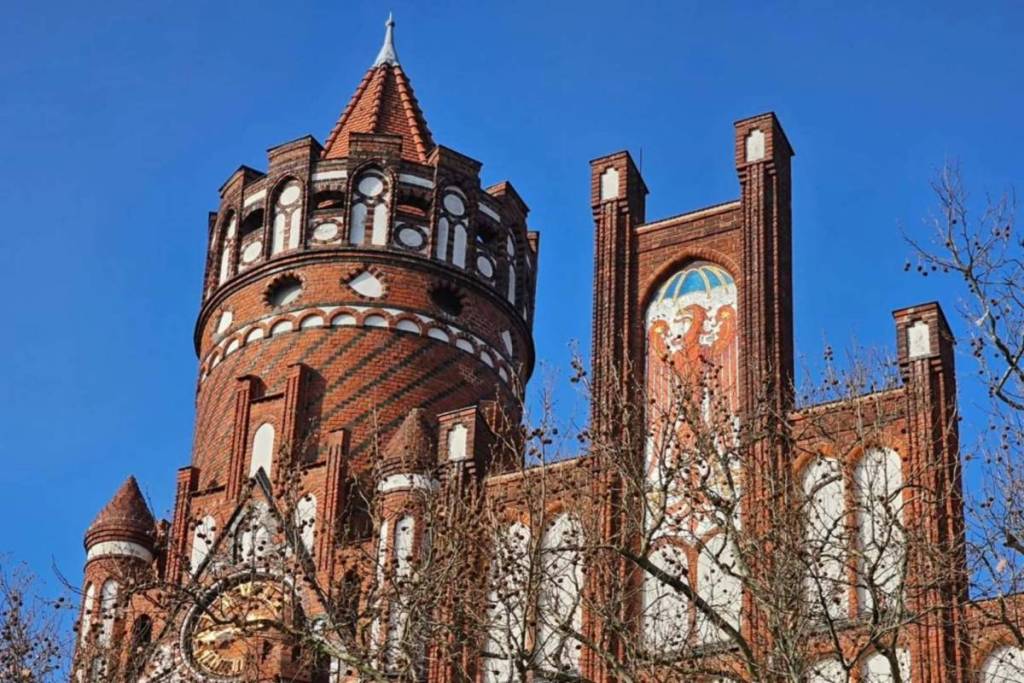
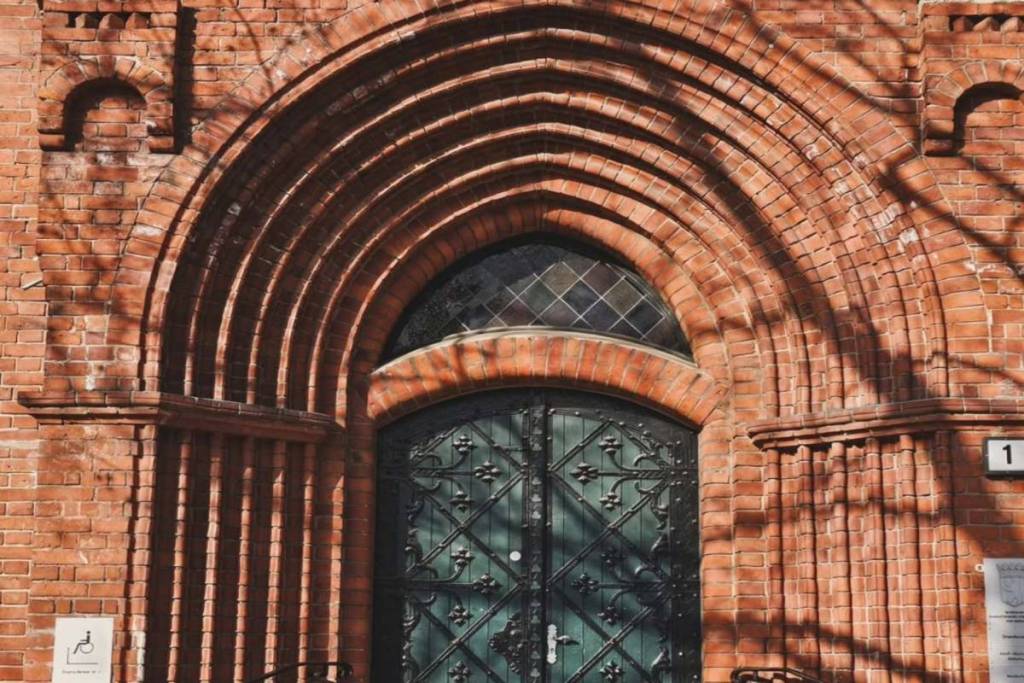
One of the most famous landmarks is the Schmargendorf Town Hall. The striking building was constructed between 1900 and 1902 in the Markish Brick Gothic style and is considered one of the most beautiful town halls in Berlin. Today, it houses, among other things, one of the capital’s most popular civil registry offices. Also worth seeing is the 13th-century Schmargendorf village church. With an interior area of just 66 square meters, it is considered the smallest surviving village church in Berlin. Those seeking peace and quiet in a green setting will find it in Messelpark, an idyllic park with old trees, meadows, and peaceful walking paths.
What makes Schmargendorf special is its quiet, almost village-like atmosphere. Many streets are lined with trees, interspersed with small parks, well-maintained older buildings, and numerous historic villas, especially toward Grunewald. This sets the neighborhood apart from Berlin’s hectic city center.
The name Schmargendorf also has an interesting origin. It is thought to be derived from “Margrevendorf,” meaning “Margrave’s village.” In addition, one of the most famous poets of the 20th century, Rainer Maria Rilke, lived in Schmargendorf for a time. To this day, the neighborhood is considered one of Berlin’s most elegant and livable residential areas.