

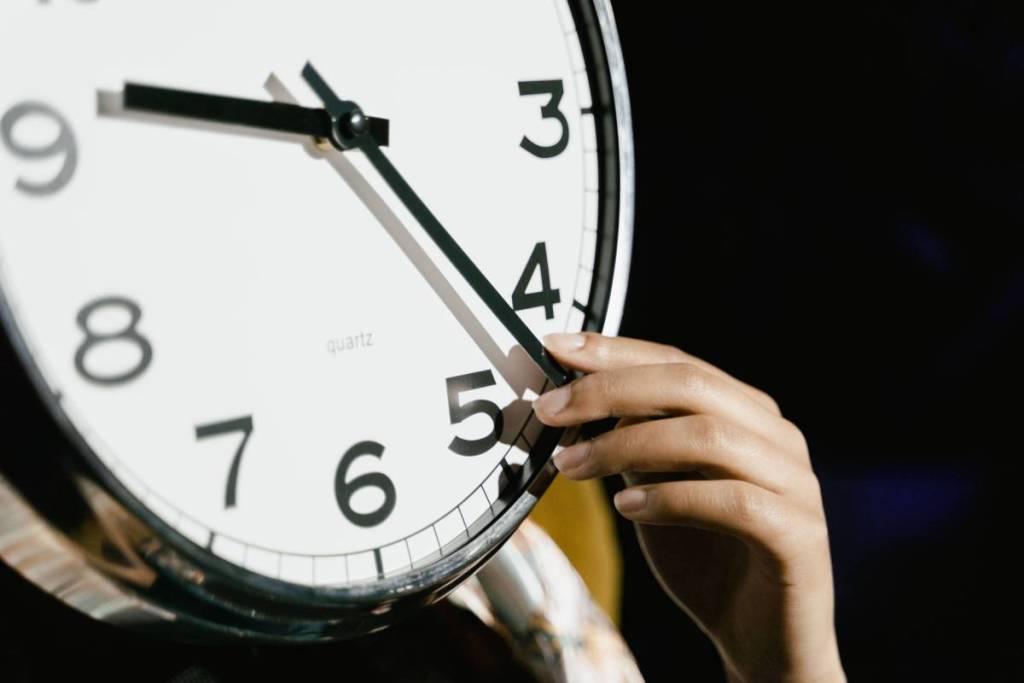
On the night of Saturday to Sunday, October 25, 2026, the clocks in Germany will be changed again: At 3 a.m., they’ll jump back to 2 a.m., standard time will return, and everyone will gain an hour of sleep. But where does daylight saving time actually come from?
Origins and History of Daylight Saving Time
The first daylight saving time in Germany took place on April 30, 1916, in the midst of World War I. The German Empire wanted to conserve energy—since coal was in short supply—and make better use of daylight. Austria-Hungary and other countries followed suit. After the war, daylight saving time was abolished again, but it was reintroduced during World War II. After that, there were no time changes for decades. It was not until the oil crisis of the 1970s that daylight saving time returned: France introduced it in 1976, and West Germany and East Germany followed in 1980. Since 1996, a uniform date has been in effect throughout the European Union—namely, the last Sunday in March and October. This was intended to facilitate cross-border trade and transportation.
Criticism and an Uncertain Future

Why Do We Still Change the Clocks? The hoped-for energy-saving effect of daylight saving time has never been conclusively proven, yet efforts to abolish it have failed due to disagreement among member states. In 2019, the European Parliament voted to end the time change starting in 2021, but the Council of Member States has yet to agree on a common position. In addition, many countries fear a patchwork of different time zones, which would complicate trade and transportation.
The criticism is clear: Medical experts warn of sleep disturbances, fatigue, and concentration problems, especially in the spring when an hour is lost. Several studies point to an increase in traffic accidents and cardiovascular problems in the days following the change. Many farmers, parents of young children, and commuters also complain about the strain. On top of that, the time change offers hardly any benefits that would outweigh its drawbacks. It also remains controversial whether permanent daylight saving time or permanent standard time would be better: Sleep researchers generally prefer standard time because it is closer to the natural circadian rhythm. Until then, however, the rule remains: turn the clocks twice a year.