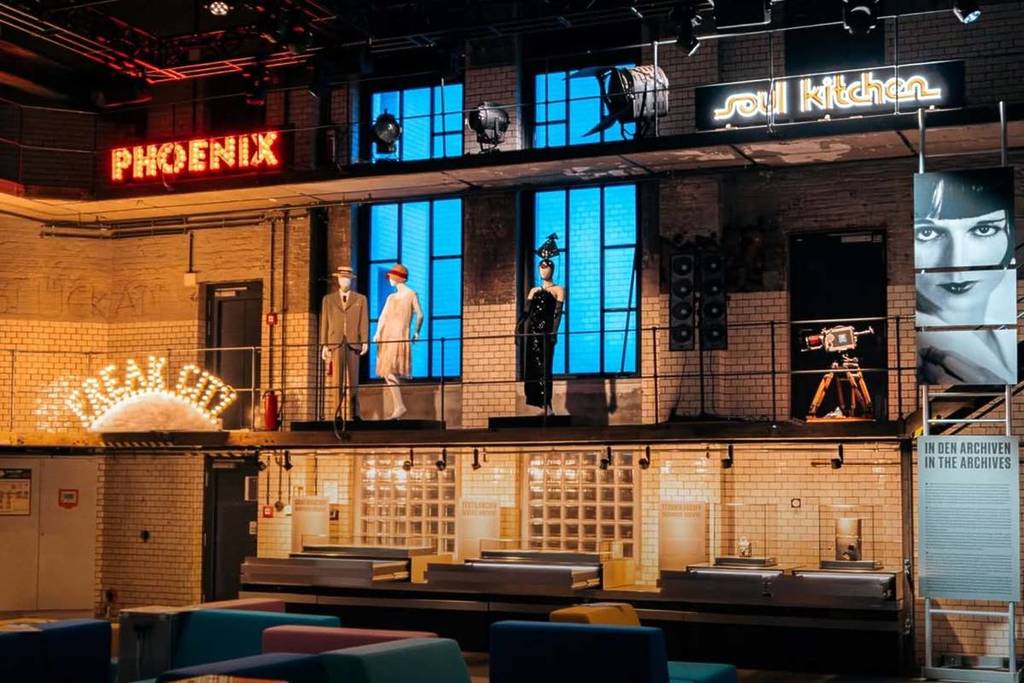
While outside it’s cold, the air is thick and the winter blues are setting in, some of the city’s most iconic locations are currently hosting extraordinary exhibitions. So it’s the perfect time to indulge in art indoors, immerse yourself in other worlds and forget about winter for a while. At the P61 Gallery in Berlin, “Digital Dimensions” is an immersive exhibition that brings together around 300 works of 3D animation, video art, and impressive visual effects. In the Halle am Berghain, one of the most influential French artists of our time is presenting his first solo exhibition – an interplay of film, light, sound, vibration, and space. And while we’re on the subject of film, the city’s latest art installation ties in perfectly with this. As Berlin prepares for the Berlinale and international film stars, you can already immerse yourself in real film and television fever. “Screentime,” a large-scale multimedia exhibition, opened on Friday, January 23.
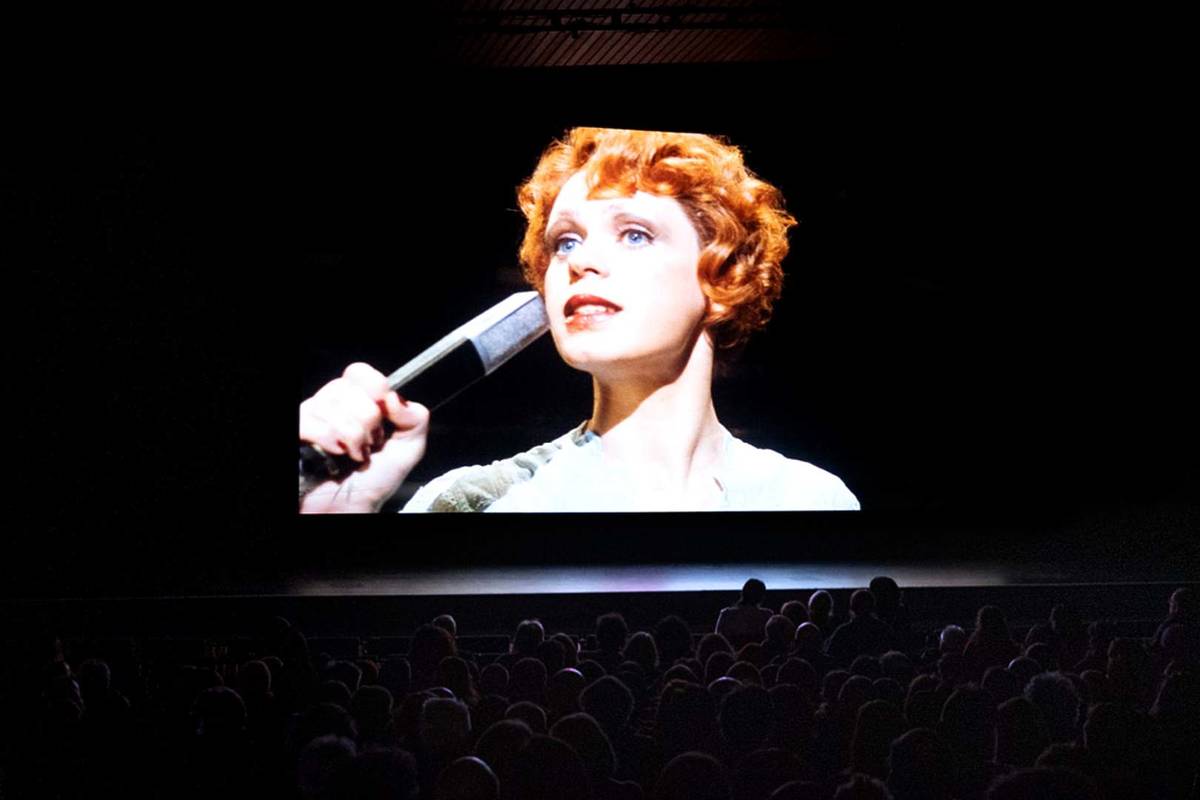 Photo: @deutschekinemathek (Instagram)
With “Screentime,” the Deutsche Kinemathek presents a special art installation, which is being shown on a large scale for the first time in the historic hall of the E-Werk. The E-Werk is not just any former power station, but the oldest of its kind in Germany. While the venue was known in the 1990s as a legendary techno location – comparable to Berghain or Tresor – it has now developed into a cultural center for exhibitions and events. The Deutsche Kinemathek has now secured this extraordinary location as its new temporary home and opened an impressive exhibition there a few days ago, offering rare insights into over 130 years of film and television history.
The result is an open-plan experience space in which work photos from the archives of the Deutsche Kinemathek provide rare insights into filming situations and productions. The exhibition is complemented by selected film clips and an impressive series of portraits of important actors such as Daniel Brühl, Diane Kruger, and many others.
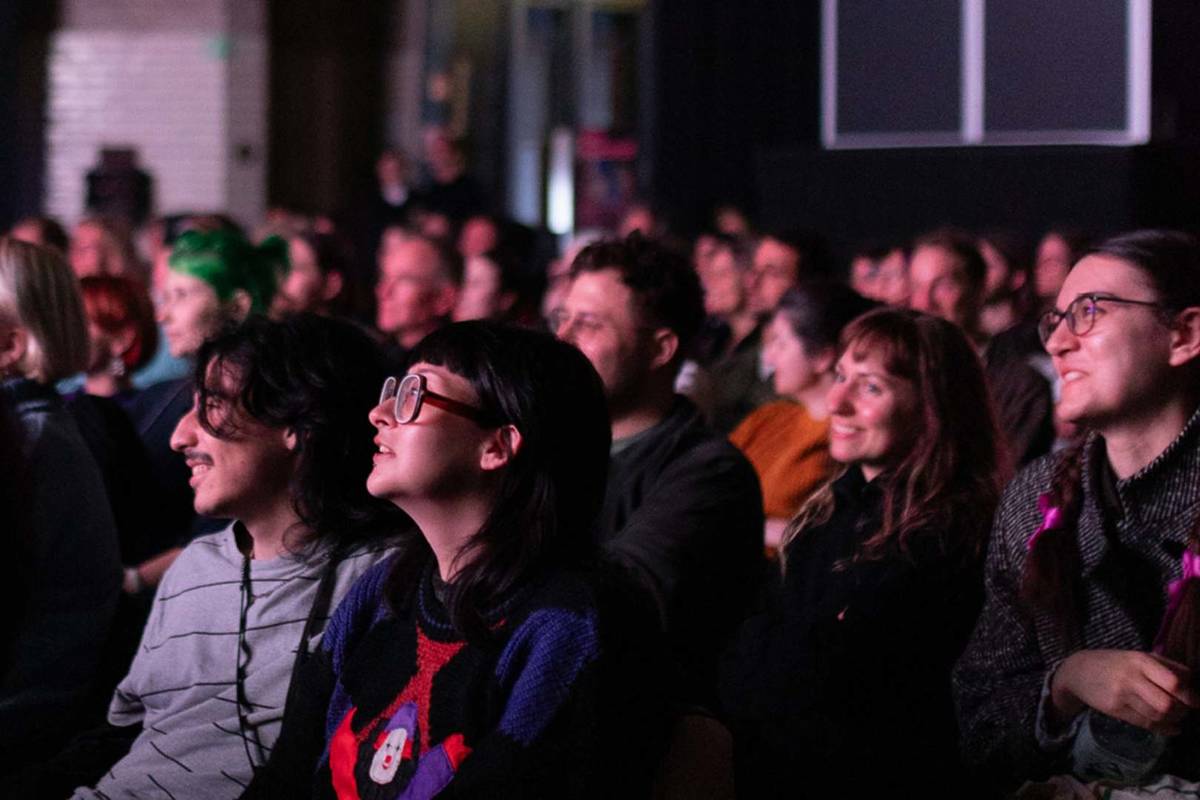 Photo: @deutschekinemathek (Instagram)
The Kinemathek also displays star postcards, costumes, film technology exhibits, and original work and production documents. There is a special focus on cinematic images of Berlin life in the 1920s, as reinterpreted in international productions of the 1970s. Using archive materials from Ulrike Ottinger, Fatih Akin, Christian Petzold, and others, the exhibition focuses on different artistic practices and perspectives.
The “Screentime” program spans the period from the beginnings of independent filmmaking around 1910 to the 1990s. Experimental, feature, and documentary films open up a variety of approaches to cinematic forms of expression. For example, “Female Perspectives” uses seven films to explore the diversity of female filmmaking since 1966. “Tricks for Kids,” on the other hand, presents different forms of animation and offers entertaining insights for families with children. There is something for every film taste.
The “Screentime” exhibition is open daily from 10 a.m. to 6 p.m. Admission is €10 regular, €7 reduced, and free for children. Tickets are available on the official website of the Deutsche Kinemathek.