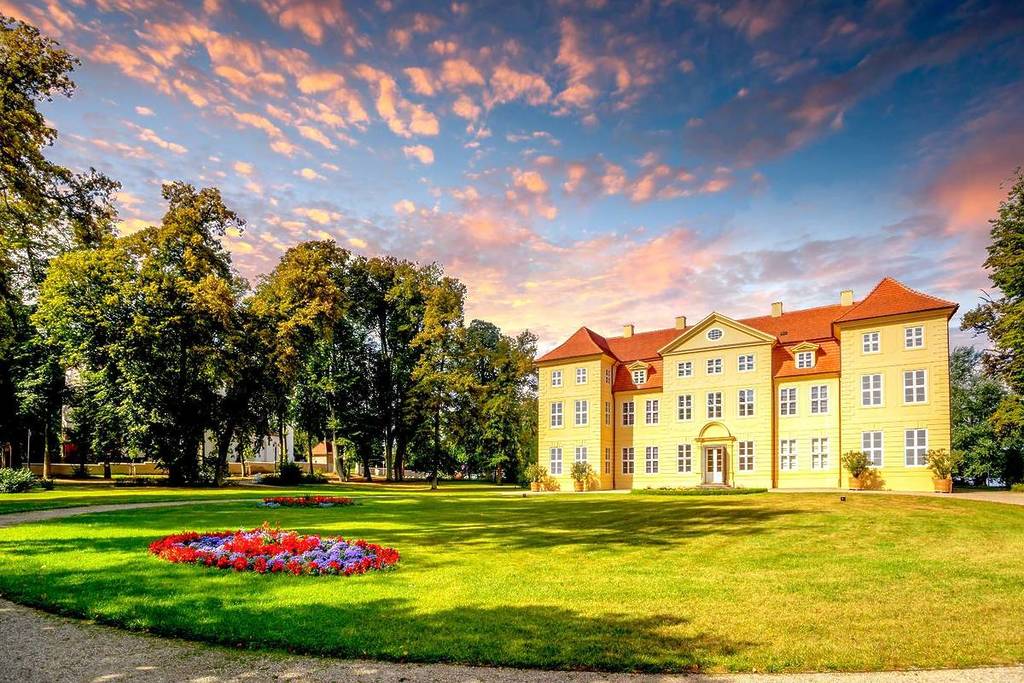
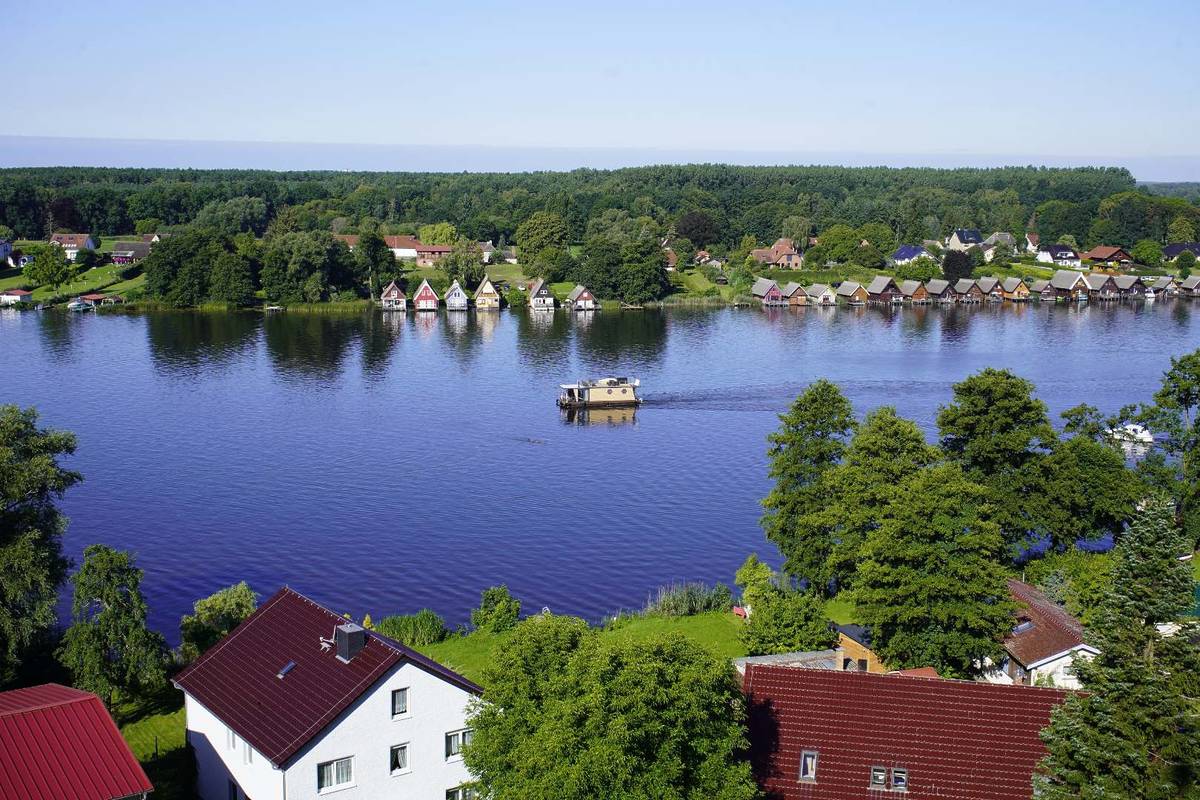
The island dates back to a 13th-century commandery of the Order of St. John – initially as the order’s headquarters, later as a ducal complex. In the 17th century, the site came into the possession of the princely house of Mecklenburg-Strelitz, whereupon the commandery courtyard was further expanded. The present castle was built between 1707 and 1712 as a widow’s residence for Duchess Christiane Aemilie Anthonie of Mecklenburg-Strelitz. Later, Duchess Elisabeth Albertine († 1761) had the building redesigned in Baroque and Rococo style and furnished with magnificent interiors and a representative ballroom. In the 18th century, the castle belonged to the princely residence, but was later increasingly used as a summer and representative residence. Today, it houses a museum where visitors can discover the interior design and history of the place.
The “3-Königinnen-Palais” (3 Queens’ Palace) is the current name for the Kavaliershaus on the castle island of Mirow, which originally served as the living and working quarters of the court of the Dukes of Mecklenburg-Strelitz. Today, it houses a multimedia exhibition on the history of the Duchy of Mecklenburg-Strelitz, with a special focus on three princesses who later became European queens:
- Sophie Charlotte of Mecklenburg-Strelitz, who became Queen of Great Britain and Ireland through her marriage to George III,
- Luise of Mecklenburg-Strelitz, wife of Frederick William III and Queen of Prussia,
- Friederike of Mecklenburg-Strelitz, who became Queen of Hanover through her marriage to Ernst August
The exhibition highlights the lives of these three women, who came from a comparatively small ducal family and became influential figures in European monarchies through dynastic marriages. Visitors can expect interactive elements, audio guide stations, historical background information, as well as themed tours and events related to the history of the region.
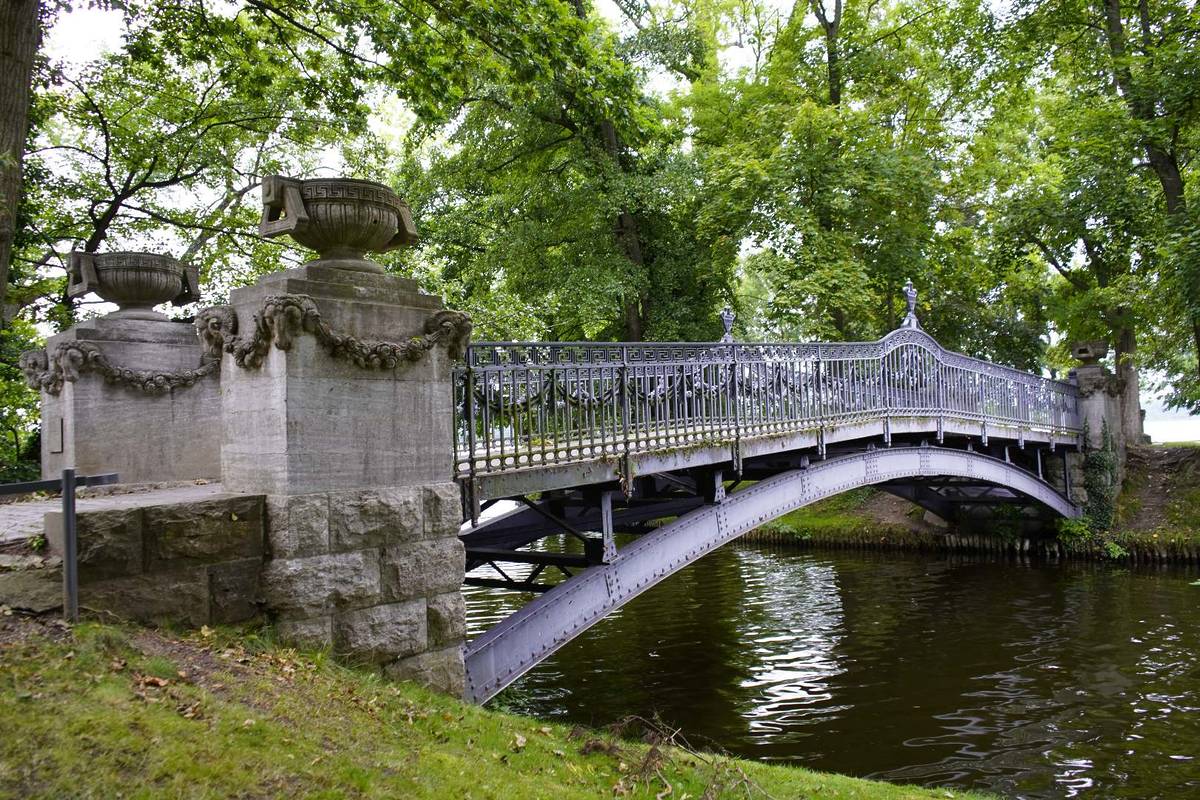 Photo: Shutterstock
The so-called Liebesinsel (Love Island) is directly connected via a footbridge; it is a small island located immediately north of the castle island of Mirow in Lake Mirow and is connected to it by a historic bridge. Liebesinsel is the site of the tomb of Adolf Friedrich VI of Mecklenburg-Strelitz (1882–1918), the last Grand Duke of the house. He died in circumstances that remain unclear to this day – suicide is often assumed – and stipulated in his will that his final resting place should be on Liebesinsel. As intended, his tomb is a quiet place of remembrance and also marks the symbolic end of the ducal history in Mirow.