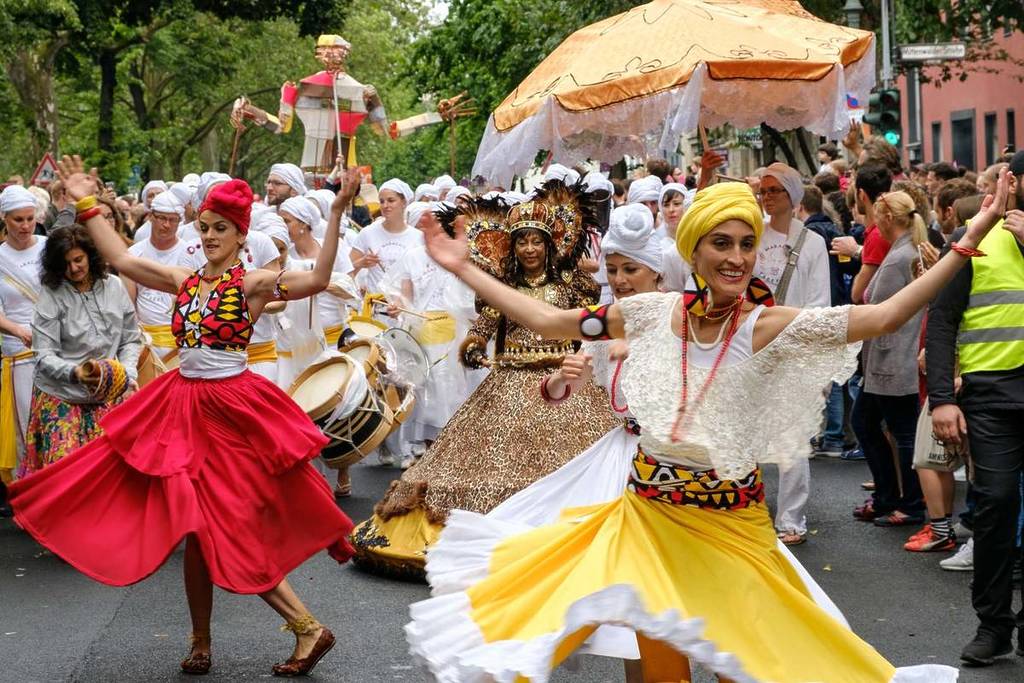

The time for outdoor activities, spring outings, and walks beneath a sea of cherry blossoms is finally here again—after a long winter, we can once again enjoy life outdoors to the fullest. And with that, numerous events and festivals are just around the corner. While the TheFork Festival is currently in full swing and offers you the chance to visit your favorite restaurants at half price, the next big highlight is already approaching: The Carnival of Cultures will take place from May 22 to 25, 2026, coinciding with the Pentecost weekend. As one of the capital’s largest and most significant events, it transforms Berlin into a colorful celebration of diversity every year.
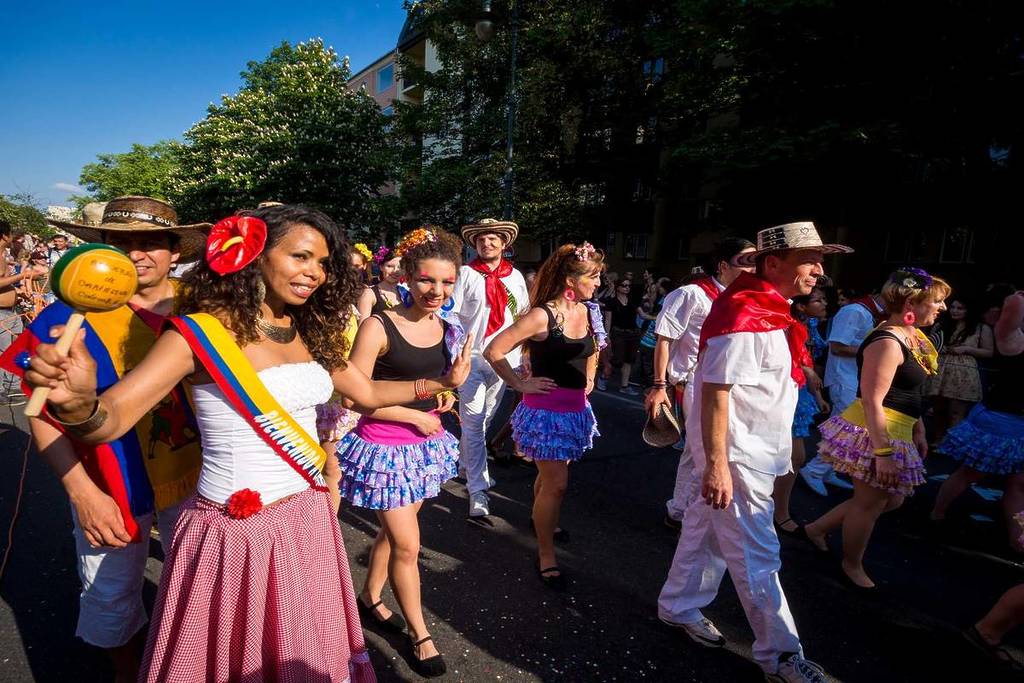
For four days, music, dance, art, and intercultural exchange take center stage, creating a unique interplay of diverse cultures. The event is seen as a symbol of openness, tolerance, and the capital’s international spirit .
The main venues are Blücherplatz in Kreuzberg, where the four-day street festival takes place, as well as Frankfurter Allee and Karl-Marx-Allee, along which the grand parade winds its way through the city. Admission is completely free for both the street festival and the parade — making the event accessible to everyone.
The highlight is the grand parade on Sunday, May 24, which ranks among the most spectacular moments of the entire festival: Thousands of participants from a wide variety of cultures showcase themselves with elaborately designed costumes, dances, and music. Samba groups, African drummers, Asian dance troupes, and European brass bands create an impressive spectacle that ranks among Germany’s largest street parades.
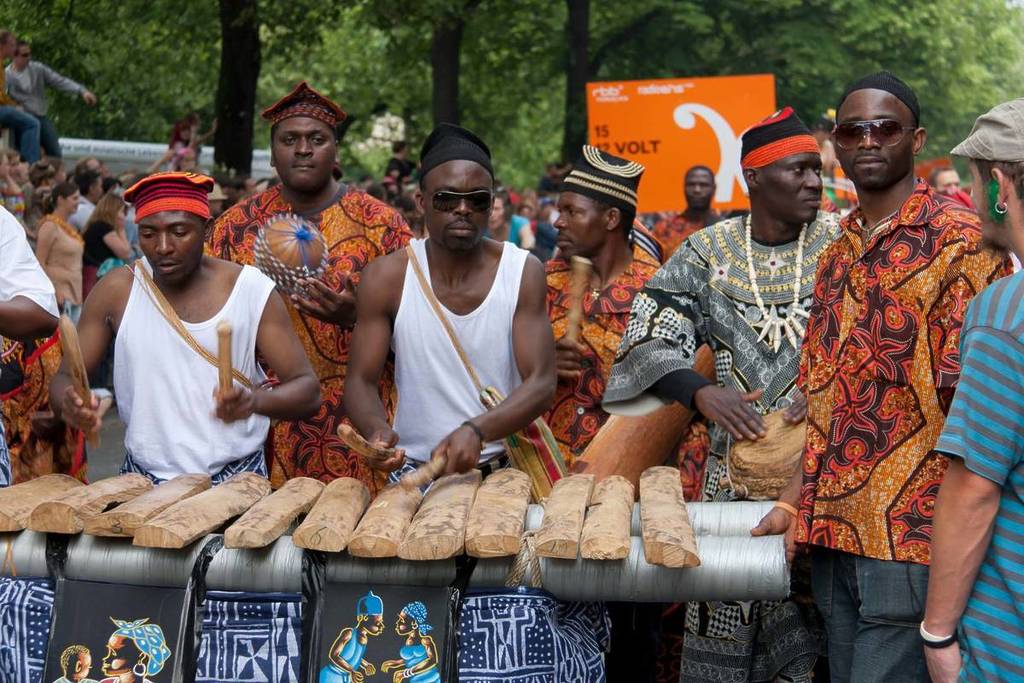
At the same time, a large street festival will take place around Blücherplatz over four days. Artists from all over the world will perform on multiple stages, offering a diverse program of live music, dance, and performances. The lineup is complemented by numerous street food stands featuring specialties from a wide variety of countries, as well as art, design, and craft markets. In addition, workshops, talks, and interactive activities invite visitors to get involved themselves.
Particularly noteworthy are themed areas such as “Shanti Town, ”where the focus is on sustainability, community, and mindful living. There are also special offerings for families and children, as well as numerous community projects that highlight Berlin’s cultural diversity.
The Carnival of Cultures was launched in 1996 as a statement against racism and in favor of respectful coexistence. Today, the festival attracts hundreds of thousands to millions of visitors every year and is one of the largest multicultural street festivals in Europe.