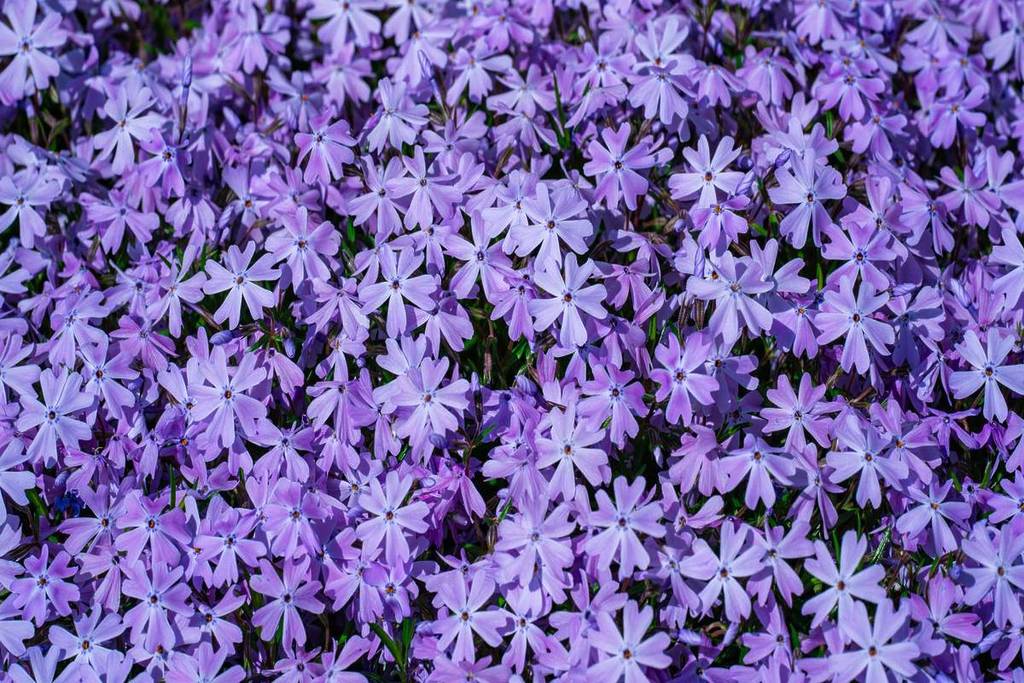

If we don’t enjoy blossoms and flowers in the spring—when will we? Right now is the season and the perfect time to experience cherry blossoms, tulips, and many other plants in their full splendor. Whether this weekend at Brandenburg’s most famous tulip festival, next week at the largest cherry blossom festival, or simply 20 minutes from the city in a park full of blooming trees —all around Berlin, everything is filled with the magic of blossoms and the spirit of spring. Among the most impressive natural spectacles of this season are the bluebells: in the Nuthe-Nieplitz Nature Park, they don’t appear sporadically, but in vast numbers. Entire forest areas turn an intense blue for a short time, creating a dense, nearly continuous carpet of flowers.
Don’t miss any more highlights! Follow us on Facebook and Instagram —and now on TikTok too!
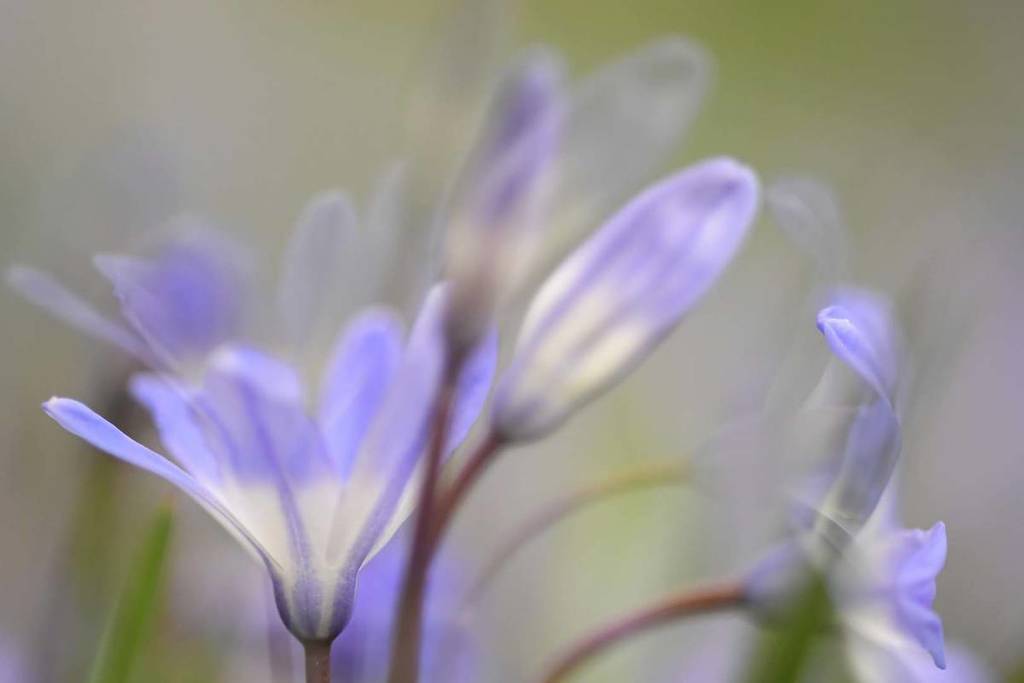
Covering approximately 623 square kilometers , the Nuthe-Nieplitz Nature Park is one of Brandenburg’s largest contiguous landscapes, and it is precisely this vastness that is key to the extraordinary flowering phenomenon. The region is characterized by the river valleys of the Nuthe and Nieplitz and combines forests, meadows, moors, and floodplains within a very small area. This diversity, combined with a high density of small-scale biotopes, creates ideal conditions for early-blooming plants. As a result, plants such as the bluebells can spread here not just in isolated spots, but over large areas and with particular intensity.
The bluebells usually begin to bloom in March and reach their peak in early to mid-April. Overall, however, this natural spectacle is limited to a short window of about two to three weeks. The weather is crucial here: the flowers only open fully and reveal their intense blue color in the sunshine. On gray or rainy days, the color effect is significantly more subdued, so the spectacular sea of flowers reveals its full radiance for only a few moments.

Since the nature park is very large, the bluebells are concentrated in specific areas. The forests around Nuthetal and south of Potsdam offer particularly good conditions. Above all, moist deciduous forests, such as those with alders or beeches, as well as open forest sections with plenty of spring light are ideal locations. Typical micro-spots include forest edges, slightly damp depressions, or paths through older sections of the forest. However, there is no single, clearly defined location; rather, there are many scattered areas just waiting to be discovered.