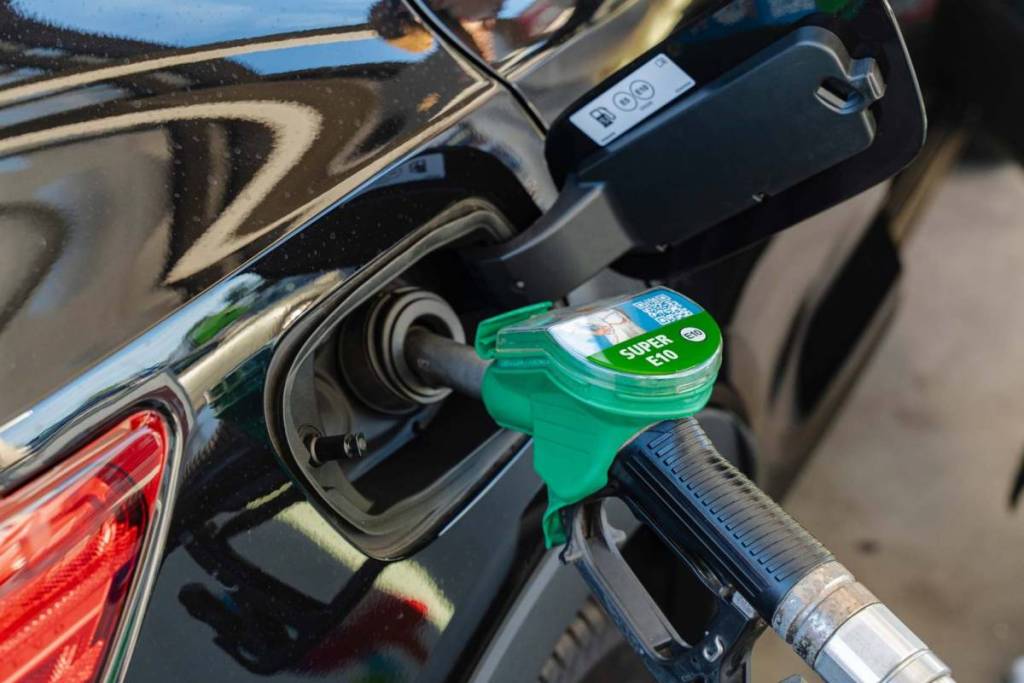

We’re now seeing almost every day that the cost of living is constantly rising. Whether we’re grocery shopping, having a drink at one of the city’s nice bars, or dining out —in many places, we now have to dig deeper into our pockets. But it’s not just groceries and leisure activities that cost more; filling up the gas tank is also becoming an increasing burden on our wallets. This became particularly clear this weekend, when gas prices took a surprising jump in a very short time. On Saturday, according to reports, the nationwide average prices were around 2.30 euros per liter for Super E10 and 2.43 euros for diesel. The price jump around noon was particularly noticeable, when prices at gas stations rose abruptly.
The latest ADAC figures for Sunday show a price of 2.273 euros per liter for Super E10 and 2.404 euros per liter for diesel. E10 thus reached a new all-time high in the nationwide daily average. Compared to Friday alone , E10 rose by 1.7 cents per liter, while diesel increased by 3.5 cents. By way of comparison: In the ADAC’s weekly report from September 9, E10 still cost an average of 2.259 euros per liter, while diesel was at 2.321 euros. Even at that time, the ADAC described the price level as significantly too high.
A key factor is the geopolitical situation and the resulting rise in oil prices. The ADAC recently noted that the price of Brent crude was just under $100 per barrel. However, according to the automobile club’s assessment, the oil price and the euro-dollar exchange rate can only partially explain the current high price levels at German gas stations. That is why the ADAC is calling for greater transparency, particularly at the refinery and wholesale levels.
Added to this is the “12 o’clock rule,” which has been in effect since April 1, 2026. Since then, gas stations have been allowed to raise their prices only once a day, at 12 noon. Price reductions, on the other hand, are still possible at any time. The rule was actually intended to limit sharp price fluctuations. However, ADAC data shows that this has led to a particularly pronounced daily price pattern.
An example from Berlin illustrates just how much prices can change around noon. At a Jet gas station in Schöneweide, Super E10 cost 2.209 euros per liter shortly after 11 a.m. However, right at noon, prices rose significantly. And this is by no means an isolated case in Berlin. An ADAC analysis of more than 14,000 gas stations shows that just before 12:00 p.m. is currently the cheapest time to fill up. Just before 12:00 p.m., Super E10 is on average about 3.7 cents below the daily average, and diesel is about 4.3 cents below.
Then, at noon, the significant price jump occurred: Super E10 rose by an average of 14.6 cents per liter, while diesel rose by as much as 18.4 cents per liter. Afterward, prices slowly fell again over the course of the day.
The time of day can therefore make a significant financial difference when filling up. For a50-liter tank, a price difference of 18.4 cents amounts to about 9.20 euros. So anyone who needs to fill up in Berlin is currently getting the best deal if they head to the gas station just before noon rather than immediately after.