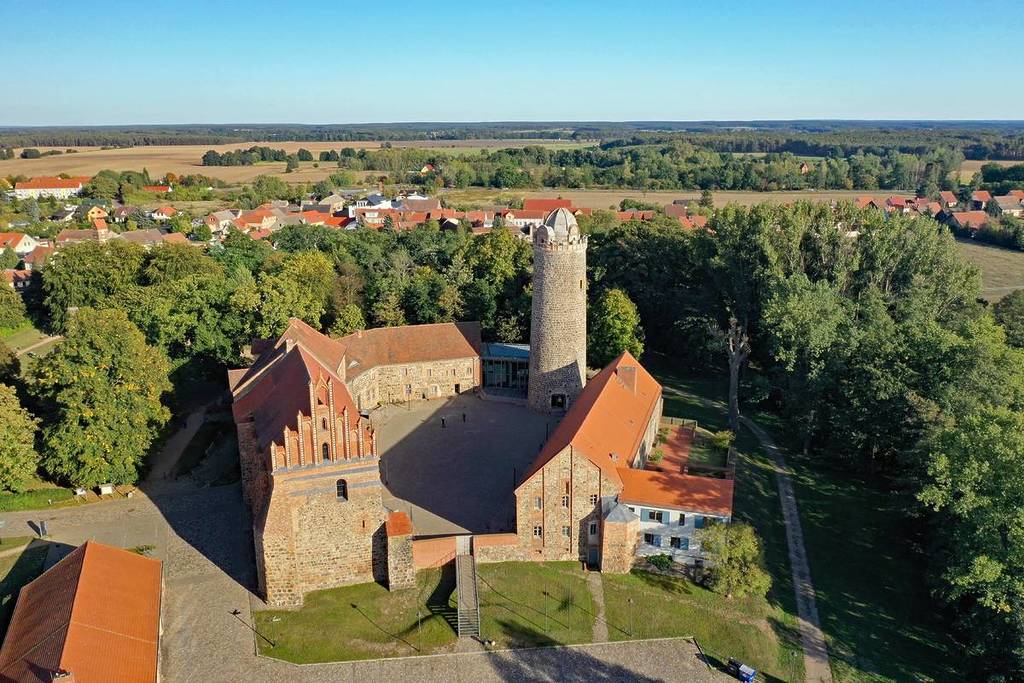

On the edge of the Fiener Bruch, in the western part of the present-day state of Brandenburg, stands a structure of extraordinary historical significance—Ziesar Castle. As one of the best-preserved medieval bishop’s residences in Central Europe, it offers a fascinating insight into a time when spiritual and secular power were inextricably intertwined.
From strategic outpost to magnificent bishop’s seat
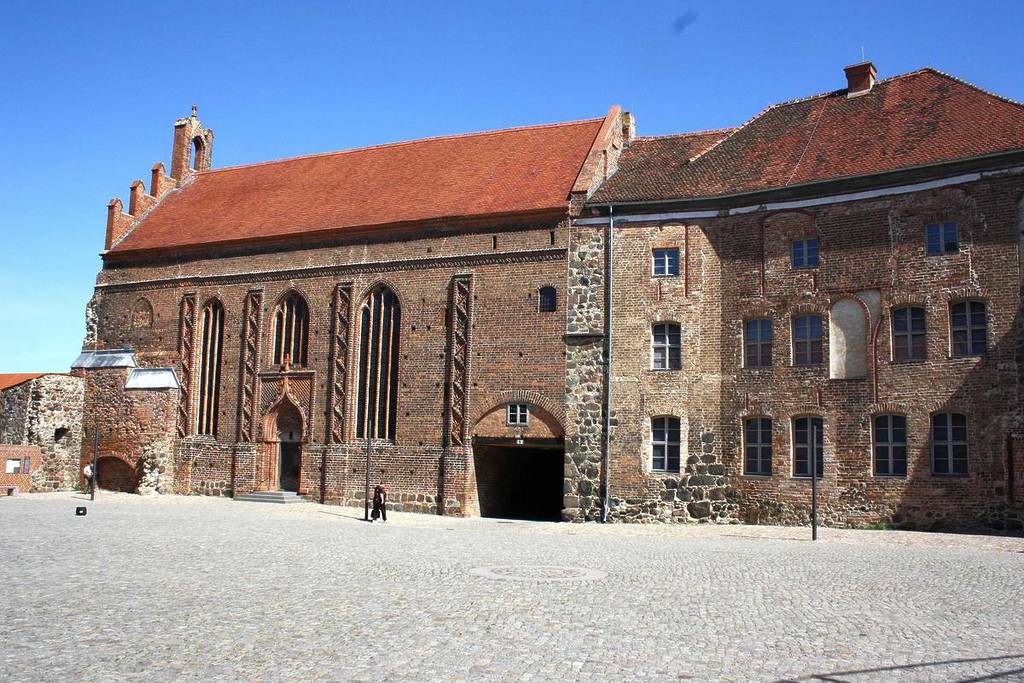
The history of Ziesar began as early as the 10th century as a Slavic fortified settlement, but its heyday began in the 14th century. Starting in 1327, the complex was expanded into the permanent residence of the bishops of Brandenburg. This move was motivated by ecclesiastical and political considerations ; since the Brandenburg Cathedral was under the authority of the cathedral chapter, the bishops sought a place where they could act as sovereign rulers.
Under Bishop Dietrich von Stechow and his successors, the former fortress was transformed into a stately castle. The most striking remnant of this era is the keep, which was given a curved dome around 1535. This unusual architectural form earned the tower the popular nickname “Bishop’s Hat”— a symbol visible from afar of the Church’s claim to dominion over the surrounding region.
The castle chapel and the treasures of Ziesar Castle
The centerpiece of the complex is undoubtedly the castle chapel of St. Peter and Paul. It is considered one of the most significant sacred buildings of North German Brick Gothic architecture. Particularly impressive is the late-Gothic façade with its delicate tracery made of fired clay. But the true wonder is revealed inside. Nearly the entire wall surfaces are covered with elaborate frescoes dating from around 1500.
These murals, which were hidden beneath plaster for centuries, depict not only biblical scenes but also complex theological motifs. Furthermore, the medieval underfloor heating system is a technical highlight that was discovered during the extensive restoration work beginning in the 1990s. These so-called hypocausts impressively demonstrate the high standard of living enjoyed by the bishops in Ziesar at that time.
Today , Ziesar Castle houses the “Museum of Brandenburg Church and Cultural History of the Middle Ages.” The permanent exhibition “Paths to the City of Heaven” guides visitors through the history of the Christianization of the Mark of Brandenburg. Here, the architecture itself serves as the most important exhibit. Through glass floor panels, visitors can admire archaeological layers and the ingenious construction of the heating systems. Thus, the Ziesar Bishop’s Residence remains not only a museum of the past, but a living place that brings the roots of regional identity to life.