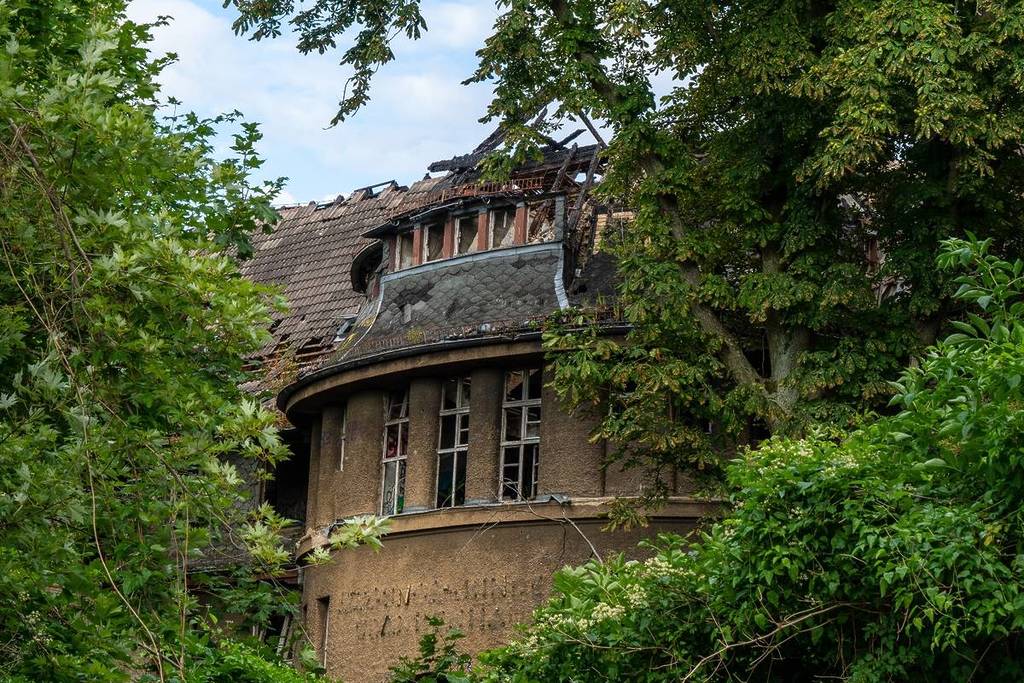
In Berlin-Weißensee stands a now abandoned infant and children’s hospital, which was the first of its kind in Prussia when it opened in 1911. Built between 1909 and 1911 according to the plans of Carl James Bühring, it was built in response to the high infant mortality rate at the beginning of the 20th century and was considered a pioneer in pediatrics at the time. Today, the former place of healing presents a completely different picture: windows are missing, doors have been smashed, the buildings are falling into disrepair – and the Weißensee Children’s Hospital now joins the ranks of Berlin’s most famous lost places alongside abandoned high-security laboratories, ghost consulates and a former
NSA listening station.
Weißensee Children’s Hospital
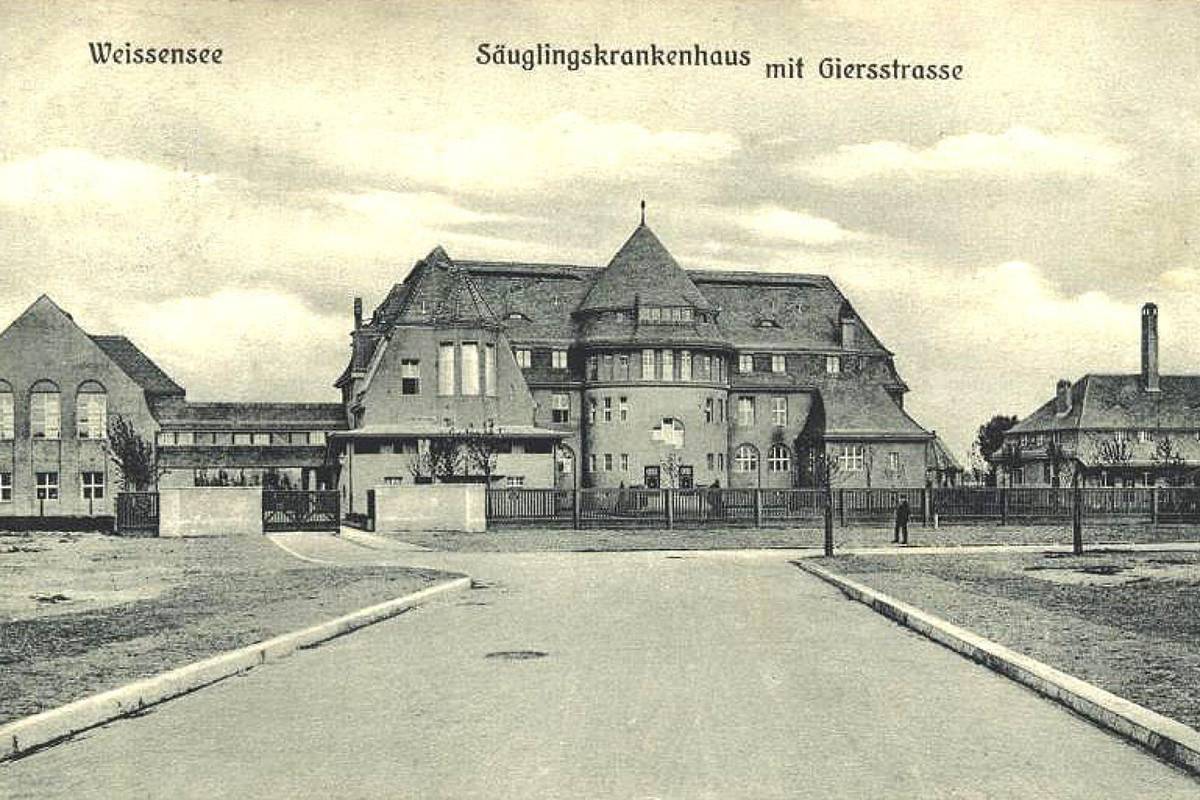
In 1911, the hospital hosted the 3rd International Congress for Infant Protection. The 28,000 m² site initially provided places for up to 40 infants aged up to two years. Following extensions, the capacity grew to around 100 beds.
In addition to general care, the facilities also included surgical treatment and specialist departments for ear, nose and throat medicine and skin diseases. There were separate isolation pavilions for infectious diseases such as whooping cough and diphtheria. The Weißensee Children’s Hospital also had a chapel, a lecture hall for educational purposes and another special feature: its own dairy. The associated cowshed housed around 36 to 38 cows; milk, storage and transportation facilities were an integral part of it and some of the milk was even sold to the public. There was also a stable for six horses and a shed for three carriages. During the GDR era, the hospital was continued and additional beds were added. After reunification, operations ceased in 1996 and the building has been empty since 1997.
Berlin’s “zombie hospital”
The Weißensee Children’s Hospital is now a popular lost place for urban explorers in Berlin. The extensive grounds and dilapidated building offer ideal opportunities for exploration and adventure. Graffiti damage and fires occur time and again, such as a fire on the second floor in 2013. The site is unused and there are currently no concrete plans to revitalize it. Nevertheless, the district of Pankow is committed to preserving the listed building.
The hospital is also known in Berlin as the “zombie hospital”, as urban legends tell of ghostly apparitions and mysterious events. Visitors repeatedly describe eerie experiences that add to the gloomy atmosphere of the place. Access to the hospital is dangerous due to its decay and entry is not permitted. Visitors should be aware of the risks and observe the legal regulations.