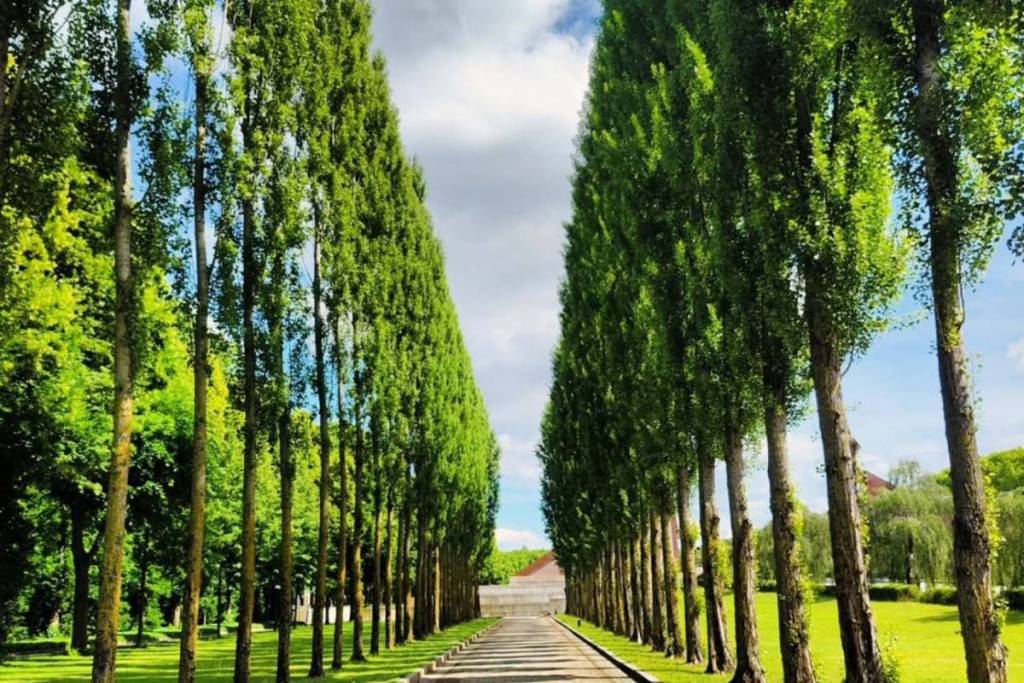

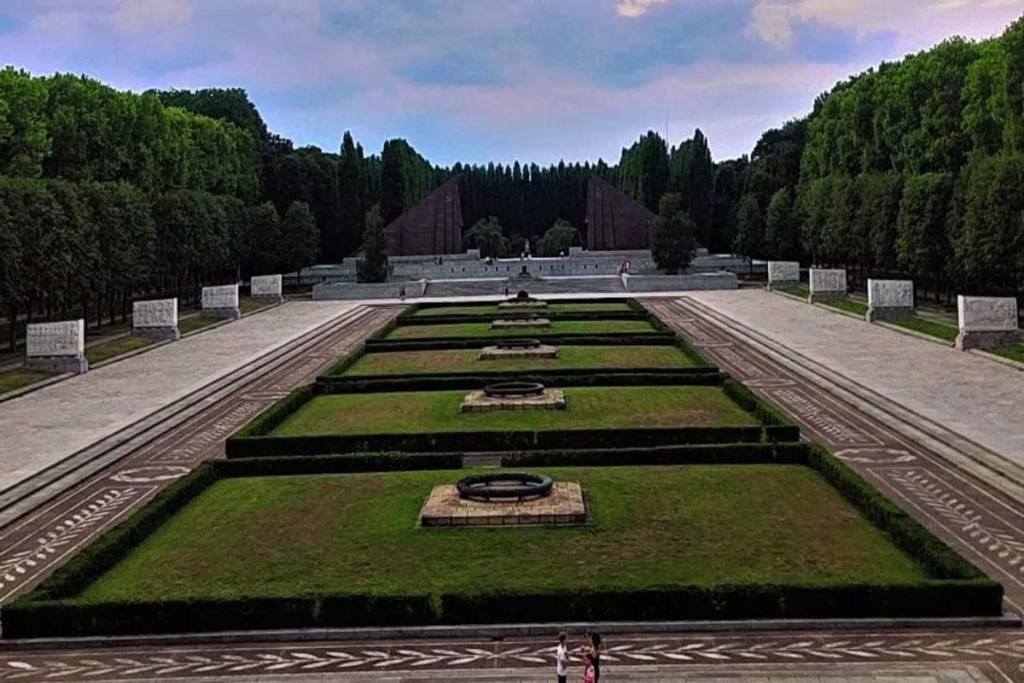
Discover pure idyll in Berlin amidst modern clubs, urban hotspots, and trendy restaurants —how and where, you ask? If the Engelbecken, just 15 minutes from Kottbusser Tor, hasn’t convinced you yet, we have another tip for you. Thousands of blooming roses can currently be admired not only outside Berlin, but also right in the heart of the capital. The rose garden in Treptower Park is a roughly three-hectare area in the northern part of the park near Puschkinallee and not far from the Soviet War Memorial.
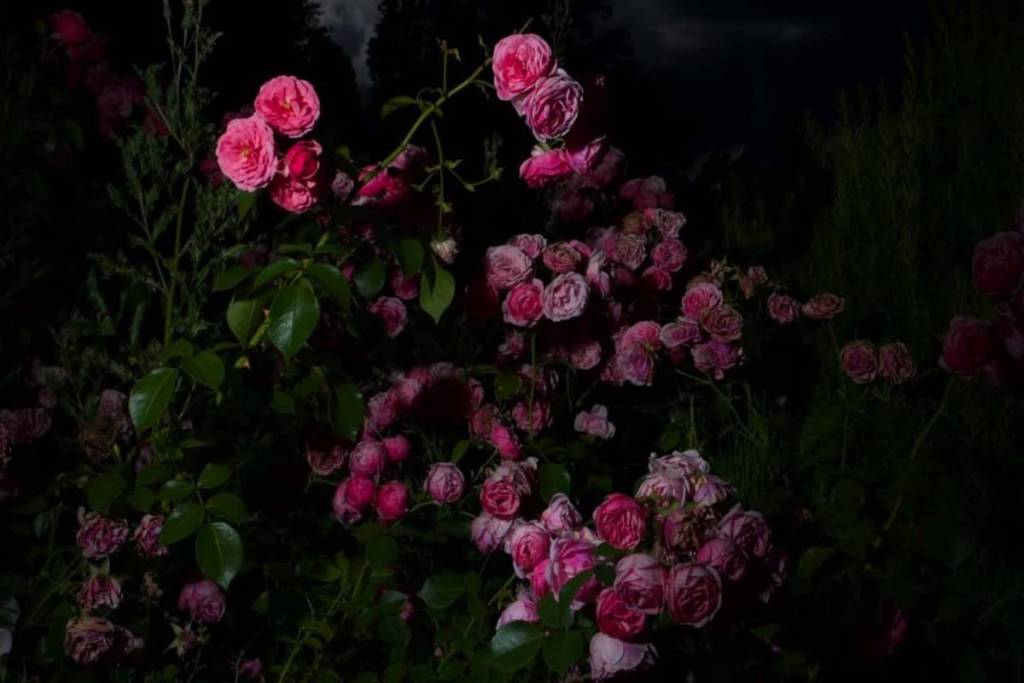
While the rest of Treptower Park was designed as a sprawling landscape park with winding paths and natural green spaces, the Rose Garden embraces a completely different aesthetic. The garden was opened in 1969 based on designs by landscape architect Hubert Matthes and is considered one of the most significant examples of GDR garden architecture in Berlin. To mark the 20th anniversary of the GDR, a strictly geometric garden was created here, featuring symmetrical paths, rectangular flower beds, water features, and clear lines of sight. Originally, around 25,000 roses were planted, making the garden one of the largest rose gardens in the capital.
Particularly impressive is the large fountain basin in the center of the garden. The main fountain reaches a height of up to ten meters and has defined the garden’s appearance for decades. It is surrounded by rose beds, perennial plantings, and water features that lend the garden an almost palatial atmosphere. Another highlight is the water lily pond, which, together with the fountains and flower beds, forms a harmonious ensemble. The reflective water surfaces make the rose garden a popular photo spot, especially during the summer months.
Historically speaking, this area was originally planned differently. The famous landscape architect Gustav Meyer once envisioned a large playground and sports field here. However, following the destruction of World War II, this idea was never realized. Instead, the current rose garden was created in the late 1960s. As early as the mid-1980s, the garden had to be renovated due to soil fatigue, during which parts of the original rose plantings were replaced with perennials.
Especially in the early morning hours or in the evening, from June through September , the garden reveals its special charm and, despite its central location, feels surprisingly quiet and secluded.