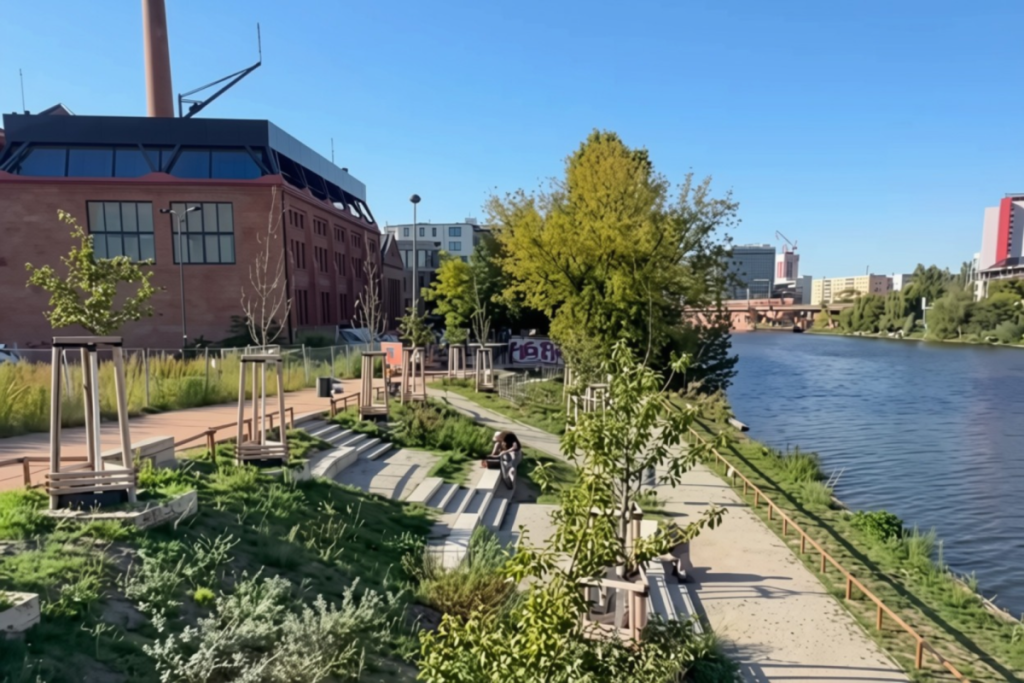

New developments in the capital are always a cause for celebration. While we have to say goodbye to some beloved spots, we can also look forward to exciting new openings and changes. One of these is located right on the Spree: in the heart of Berlin, a waterfront area that was once largely inaccessible has been transformed into a public recreational space. Where brownfields and unused stretches of riverbank shaped the cityscape for decades, Berliners can now take a walk right along the water, relax, and enjoy the view of the Spree.
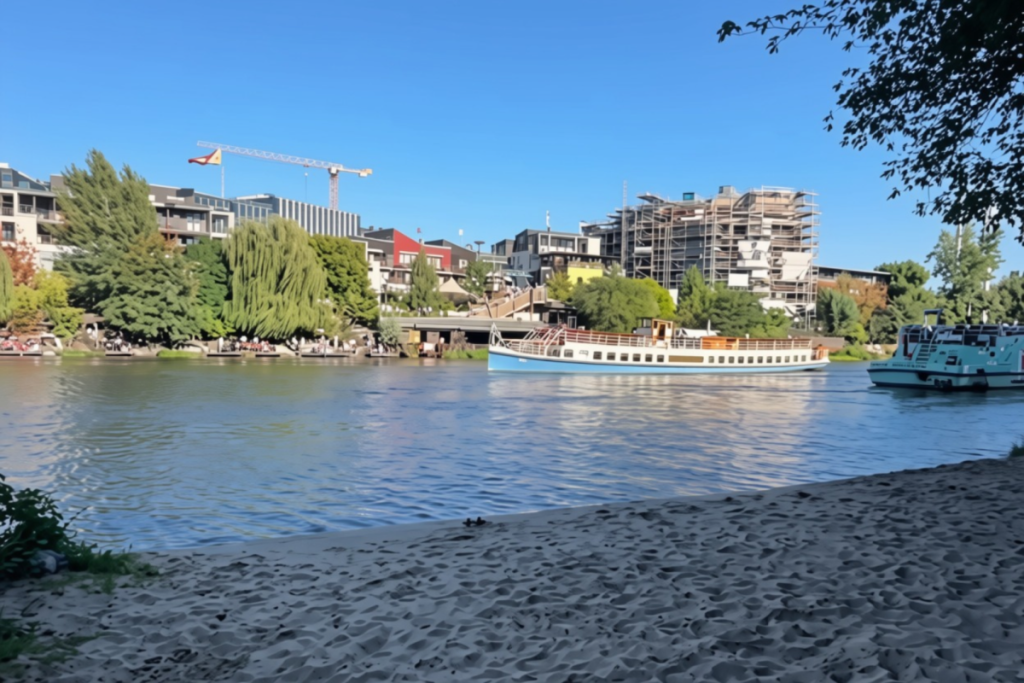
The new Spree riverside path along Paula-Thiede-Ufer is located in Berlin-Mitte, across from the well-known Holzmarkt 25 and the Radialsystem, and in the immediate vicinity of the national headquarters of the ver.di union. The redesign is part of a larger project aimed at making the Spree riverbank more accessible to the public again. This new section holds particular significance, especially in light of decades of discussions about the development of the riverbank areas and the Mediaspree urban development project.
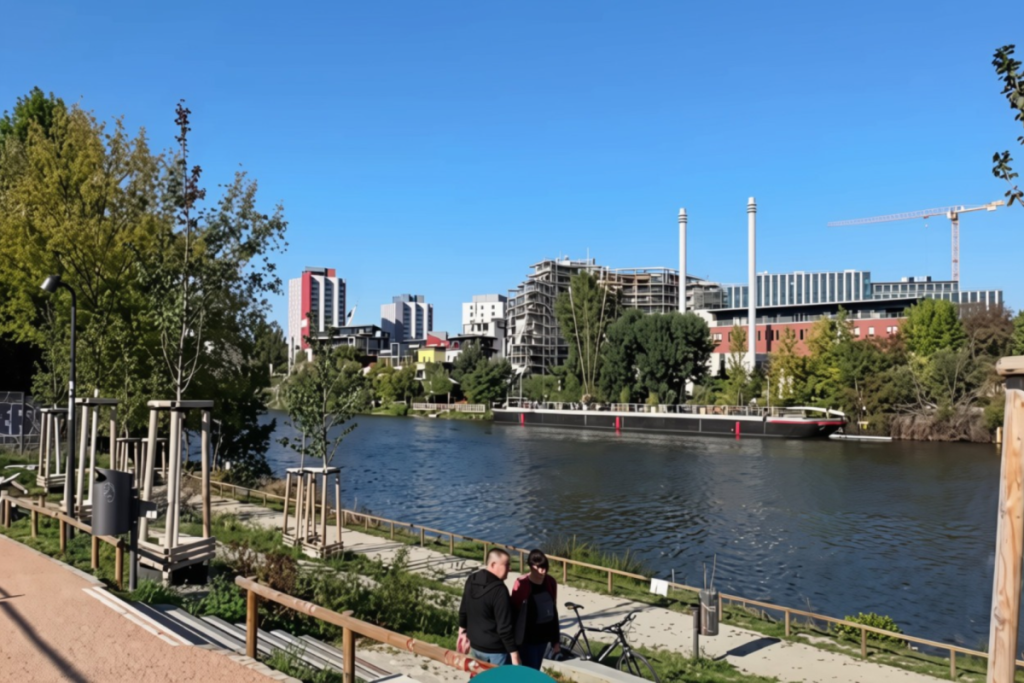
On June 26, 2026, the first construction phase of the new Spree riverside path was officially opened. The project is located in Nördliche Luisenstadt and stretches between Wilhelmine-Gemberg-Weg and the Schilling Bridge. The total cost of the riverside path project is estimated at around 5.5 million euros. As part of the redesign, new paths were laid out, trees were planted, and various green spaces were created. In addition, benches and bike racks were installed to make spending time by the water more enjoyable. The publicly accessible area thus offers new opportunities to experience the Spree away from street traffic.
A special attraction is the so-called “Spree Balcony.” This is an elevated lounge area from which visitors can enjoy an unobstructed view of the river. The area is also accessible via a ramp, making it barrier-free. In addition to the new green spaces and recreational areas, four “history islands” have been set up. These provide information about the area’s industrial past, the era of German division, and the changes that took place after the fall of the Berlin Wall. In this way, the new riverside path combines relaxation in nature with insights into Berlin’s city history.
The Paula-Thiede-Ufer owes its name to an extraordinary figure in the German labor movement. Paula Thiede was born on January 6, 1870, in Berlin and initially worked in a printing shop. From an early age, she was committed to improving working conditions and advocating for the rights of female workers. In 1898, she became chair of the Association of Book and Lithography Unskilled Workers of Germany. This made her the first woman in the world to lead a union that organized both women and men. She continued to champion the interests of workers until her death in 1919.
The naming of the waterfront commemorates her historical significance and is also directly linked to the neighboring national headquarters of the ver.di union. The new public space thus honors not only an important figure in Berlin’s history but also the long tradition of the labor and union movement in the capital.