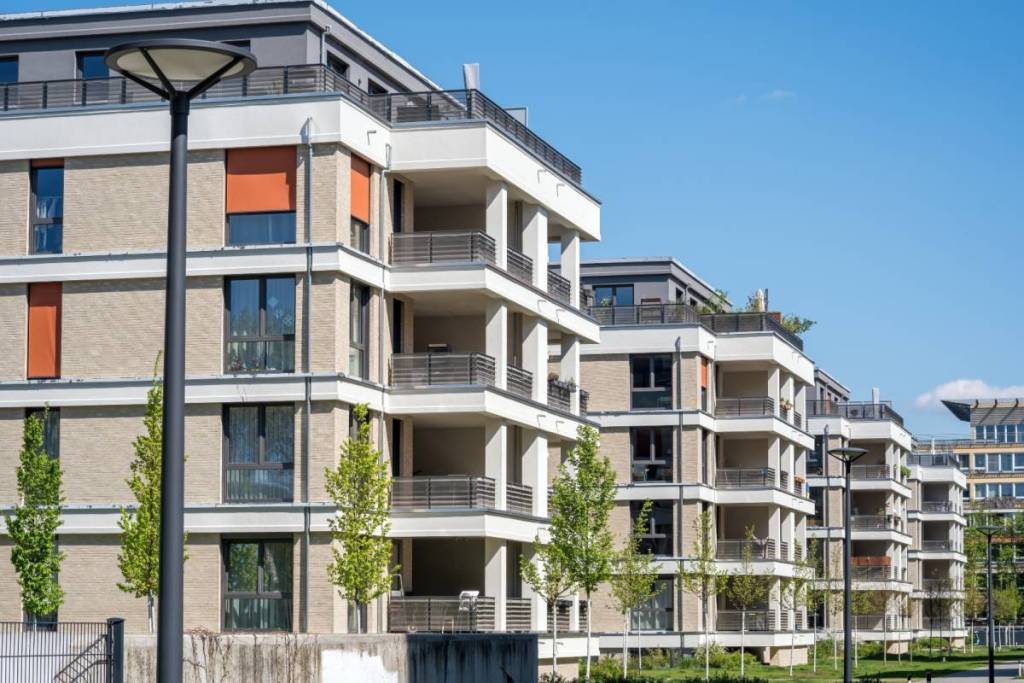

Anyone looking to buy a new-construction apartment in Berlin now has to dig significantly deeper into their pockets than in Paris. According to the latest Deloitte Property Index 2026, the average asking price for new-construction apartments in the capital is €7,500 per square meter. In the French capital, by contrast, it is €5,754—making Berlin about 30 percent more expensive than Paris. The study, published Wednesday by the consulting firm, compares real estate prices in 71 cities across 25 European countries. Berlin ranks seventh among the most expensive cities.
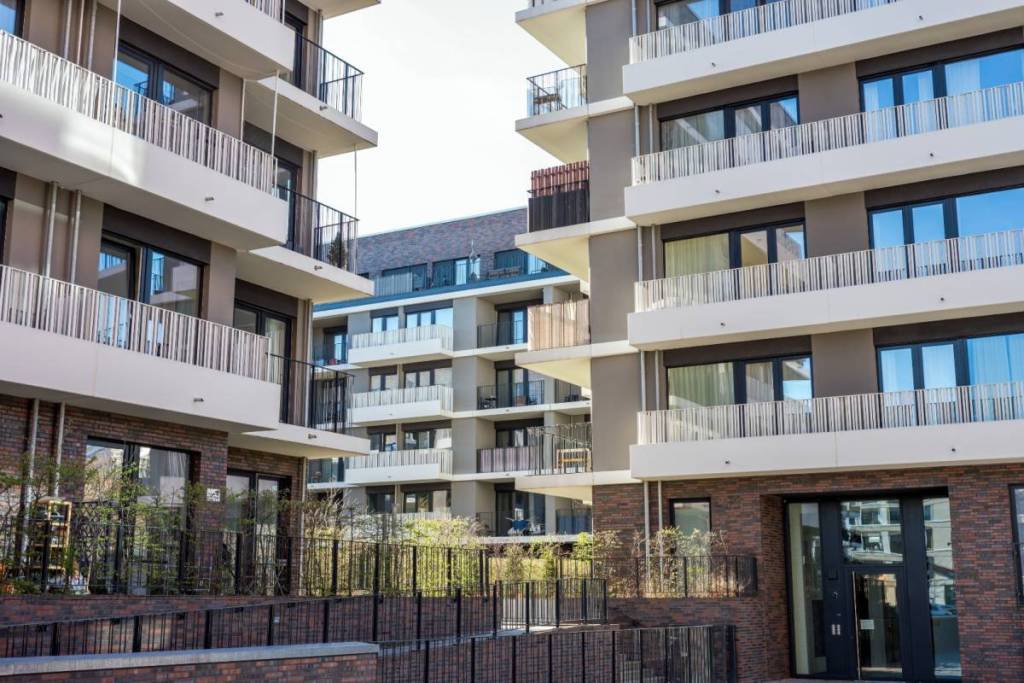
How much a new-construction apartment costs in Berlin
Based on the average price, a new 70-square-meter apartment would cost around 525,000 euros. That corresponds to about 9.8 times the average local gross annual salary. By comparison, the same apartment costs 402,780 euros in Paris, according to the study—a difference of just over 122,000 euros.
- 50 m²: around 375,000 euros
- 70 m²: around 525,000 euros
- 100 m²: around 750,000 euros
Real estate transfer tax, notary fees, and any real estate agent commissions are added on top of that. Prices for new-construction apartments in Berlin rose by about 4.2 percent in 2025 compared to the previous year.
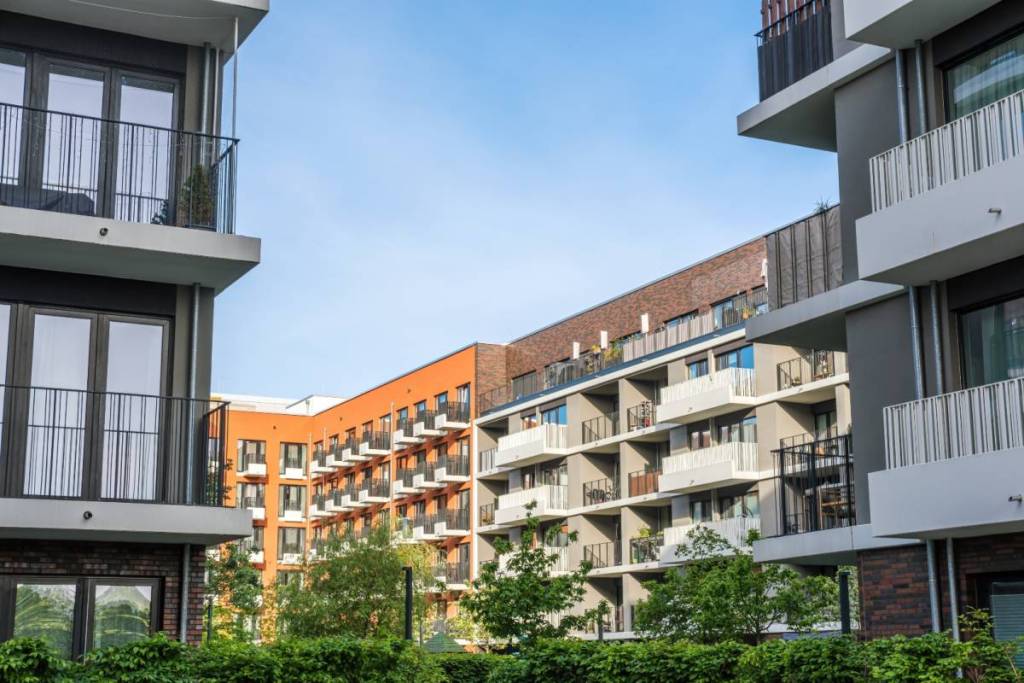
How Berlin stacks up in a city comparison
According to the study, Munich is the most expensive city in Europe: there, a square meter in a new-construction apartment costs an average of 11,200 euros, about 400 euros more than the previous year. Munich has thus overtaken Paris, which was still in first place in 2025. Hamburg follows with 7,700 euros. In total, four German cities are among the ten most expensive: Munich, Hamburg, Frankfurt, and Berlin.
The situation is calmer on the rental market. The average rent in Berlin is 18.90 euros per square meter and has risen by only 2.7 percent. Buying is therefore becoming more expensive faster than renting.
What the numbers don’t tell us
The comparison has its limitations. The figures represent average asking prices for new construction, not the prices buyers actually pay, nor do they reflect the entire housing stock. Depending on the market, Deloitte combines asking and sales prices; in some cases, existing properties are also included. This limits the comparability of the data.
This does not automatically mean Paris is cheaper: The study focuses primarily on new construction, and existing apartments in historic downtown locations can command very different prices. Even within Berlin, the location, size, and amenities of individual apartments vary significantly from the average. The ranking shows price levels, not a price comparison of identical apartments.
Whether Berlin’s new-construction prices will maintain their lead over Paris will become clear, at the earliest, in the next edition of the index. Anyone currently looking for an apartment should always compare asking prices with utility costs and actual sales prices in the respective neighborhood.