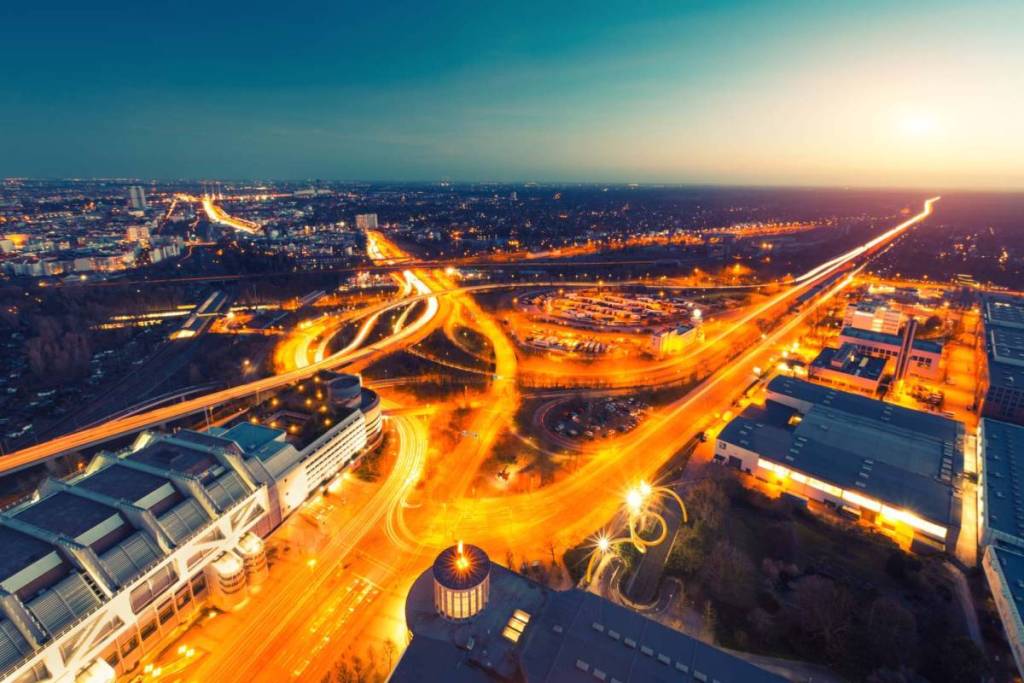

Repurposing old buildings—Berlin has mastered this concept like no other city. Former combined-heat-and-power plants are now among the world’s most famous techno clubs, and Europe’s oldest multi-story parking garage has become a popular food hotspot. The capital knows how to breathe new life into historic architecture and create urban spaces that bridge the past and the present. A similar transformation is now planned for one of Berlin’s most significant buildings: The International Congress Centrum (ICC), once Germany’s largest convention center and , at the time of its opening, one of the largest in Europe, is set to become an international hub for art, culture, the creative industries, and innovation .
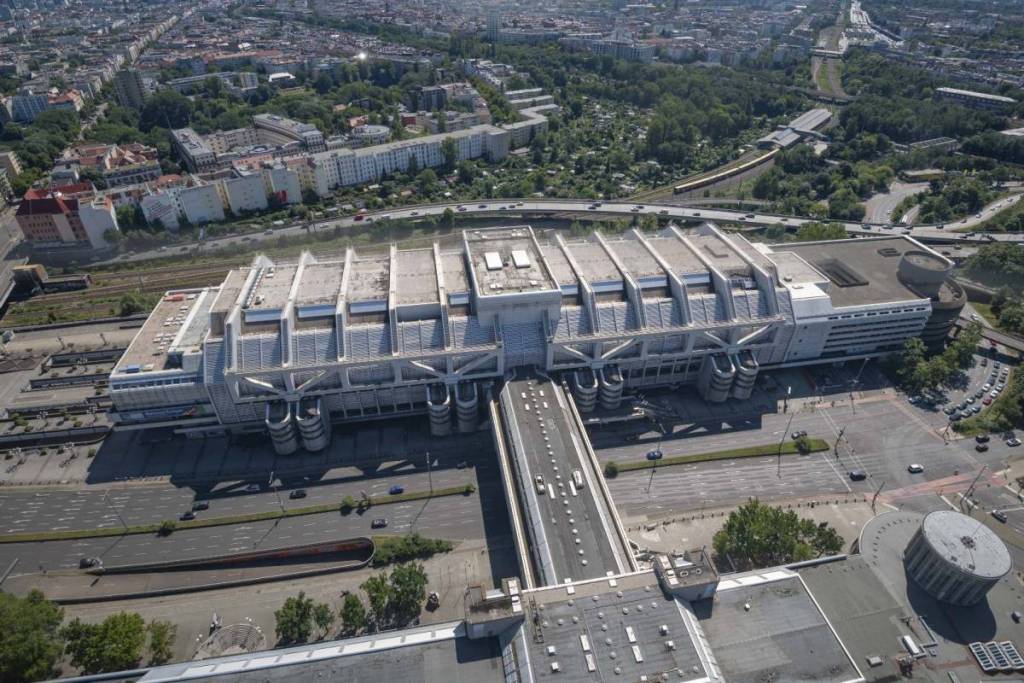
After standing vacant for more than ten years, the Berlin Senate has presented concrete plans for the future of the landmark-protected building for the first time. Opened in 1979, the ICC was one of Europe’s most important convention centers for decades. Measuring approximately 313 meters in length , with 80 halls and event spaces, and room for a total of 14,500 visitors, it attracted millions of guests from all over the world. However, the building has stood largely vacant since 2014 after harmful substances were discovered. The striking structure has been a listed historic building since 2019.
Now, the former convention center is set to become much more than just an event venue. The plan is to create a vibrant neighborhood featuring concerts, exhibitions, galleries, restaurants, cafés, bars, artist studios, cultural institutions, and a museum. Space for the creative industries, as well as new workspaces and communal areas, is also planned. The goal is to make the ICC accessible to Berliners and visitors seven days a week and to breathe new life into the building.
A central element of the concept is opening up the building. In the future, a publicly accessible passageway will run through the ground floor from north to south, connecting the ICC more closely with its surroundings. New forecourts, additional entrances, and dining options are intended to ensure that the site is no longer bustling only on event days but becomes a year-round gathering place.
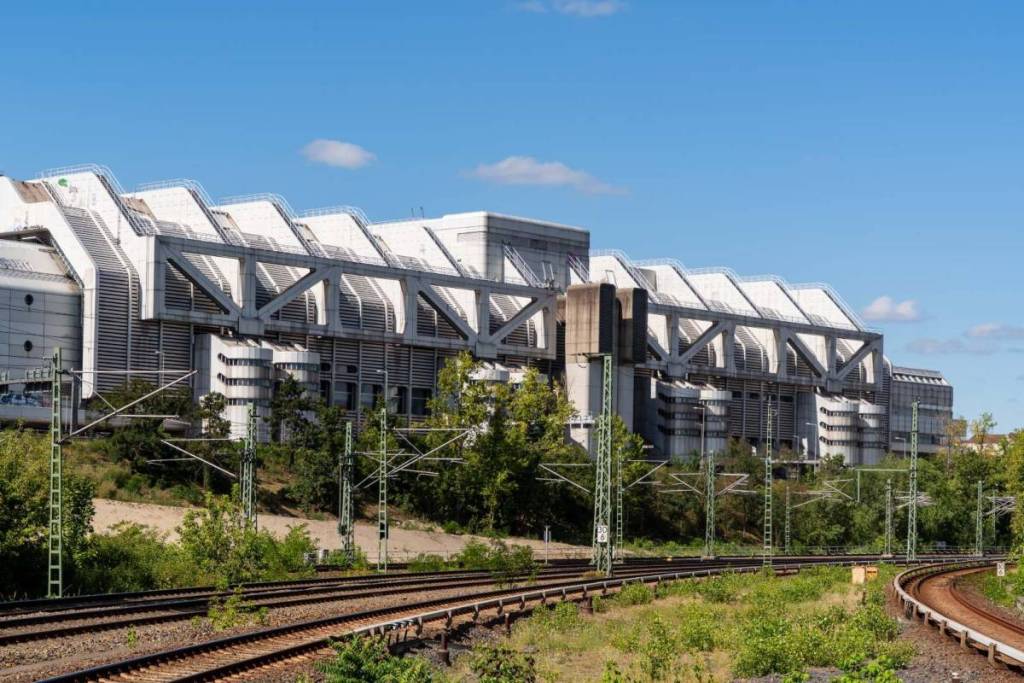
Extensive changes are also planned outside the building. Among other things, a new convention hotel, office space, apartments, and other new buildings are to be constructed on the adjacent lots. This is intended to create a modern urban district around the ICC that connects culture, business, and public spaces.
However, the project has not yet been finalized. First, a negotiation and planning phase lasting about two years will begin, during which issues regarding financing, historic preservation, building regulations, and operations will be clarified. Only then will the Berlin House of Representatives decide on the final award. If everything goes according to plan, the first construction work could beginin 2029 , while the opening of the new ICC is currently targeted for 2032 or 2033 at the earliest.