
Transforming old buildings into modern spaces where contemporary art, creative fashion, and the latest food trends find their place—sounds pretty Berlin, doesn’t it? No wonder, then, that we can discover some of these edgy urban spots in the capital. From the London-inspired food hall with a 40-meter-long cheese bar to Europe’s largest food hub with 24 restaurants from around the world: Berlin certainly isn’t lacking in new innovations. And that’s exactly why people here are constantly thinking ahead. Since 2017, one of Berlin’s most extraordinary architectural landmarks in the heart of Charlottenburg has been gradually transformed into a modern food, event, and design hub: the Kant-Garagenpalast.
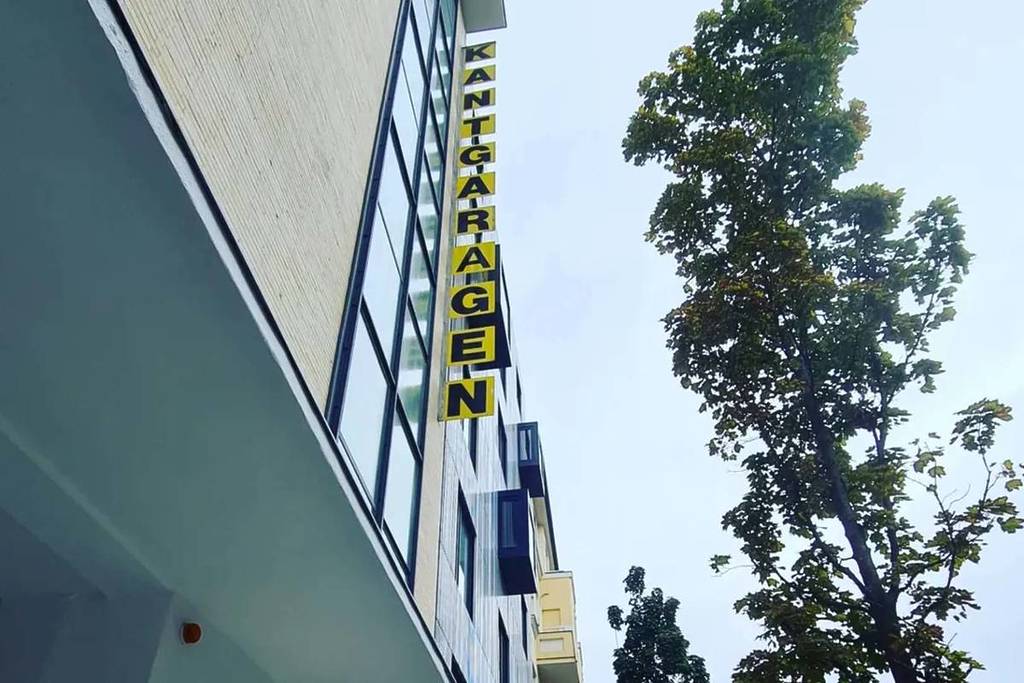
Built in 1930, the building is considered the oldest surviving multi-story parking garage in Europe and was originally conceived as a state-of-the-art “garage palace” of the Weimar Republic. The complex is particularly famous for its spectacular double spiral ramp, which cars used to drive through the building in a spiral pattern —a revolutionary concept for its time.
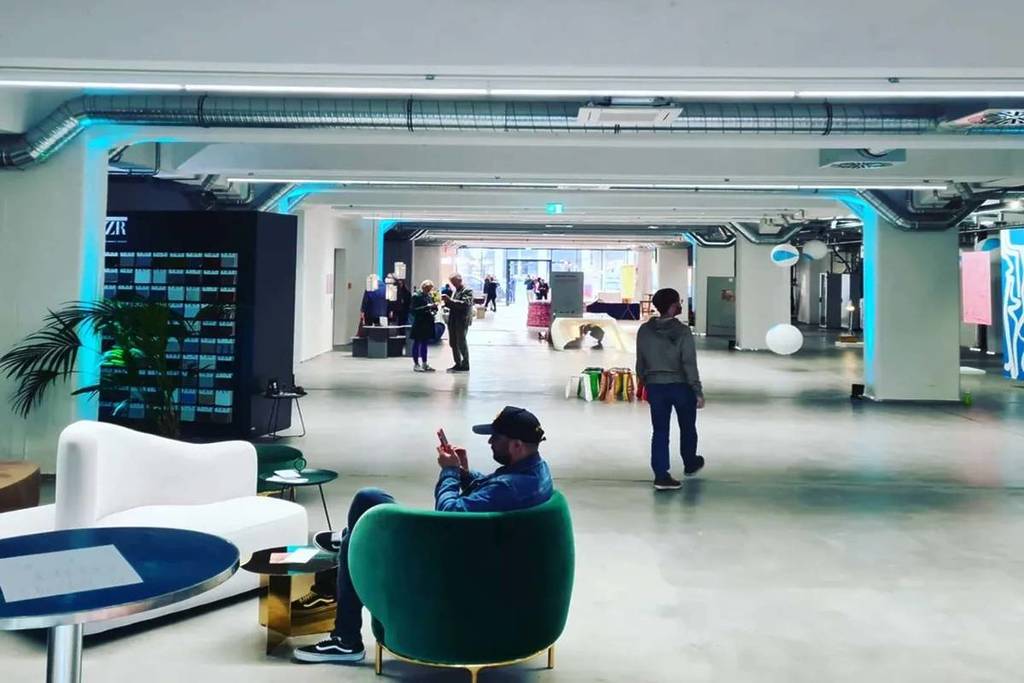
After decades of standing vacant and extensive renovation, the landmark building is now undergoing a complete reinvention. Where cars once parked, a modern food, event, and design hub is now emerging right in the heart of Berlin’s creative scene. On the ground floor, a new food market and event space called “Dufte” is set to open, while the upper levels are already being used for exhibitions, fashion shows, art installations, film productions, and major cultural events .
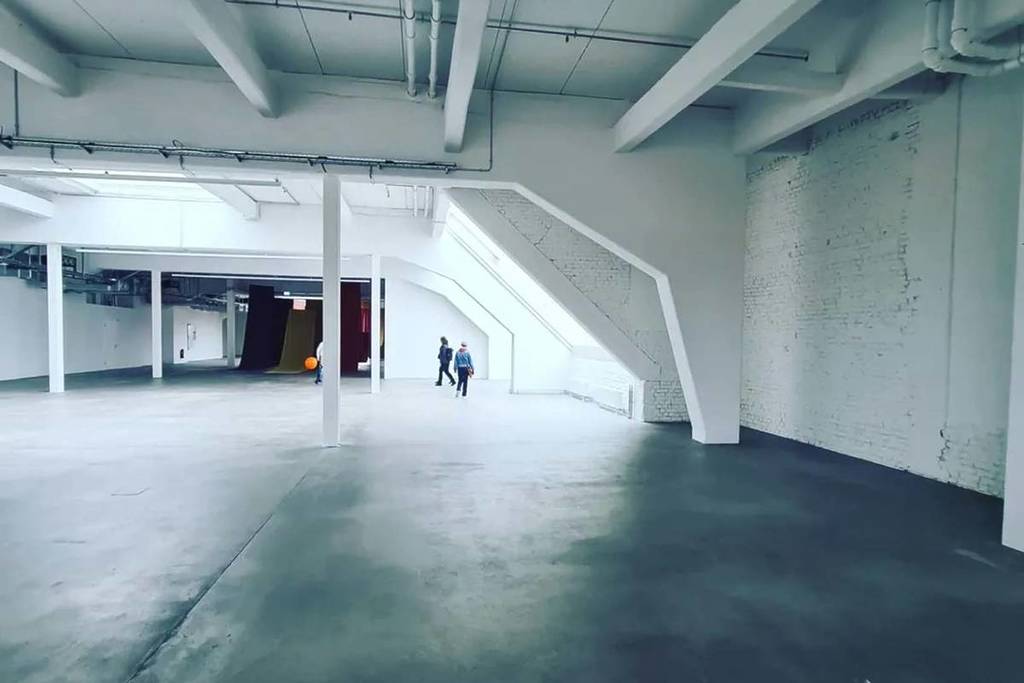
The fifth floor of the building is particularly impressive: today, it houses an open industrial space of around 1,500 square meters with ceilings up to seven meters high. The raw concrete aesthetic, huge windows, and industrial character make the location one of the capital’s most exciting new event spaces. It is precisely the blend of Bauhaus-inspired architecture, urban industrial charm, and modern creative use that gives the place its special appeal.
The Kant Garages thus impressively demonstrate how historic architecture in Berlin can be reimagined—not as a museum, but as a vibrant meeting place for food, design, culture, and creative events.