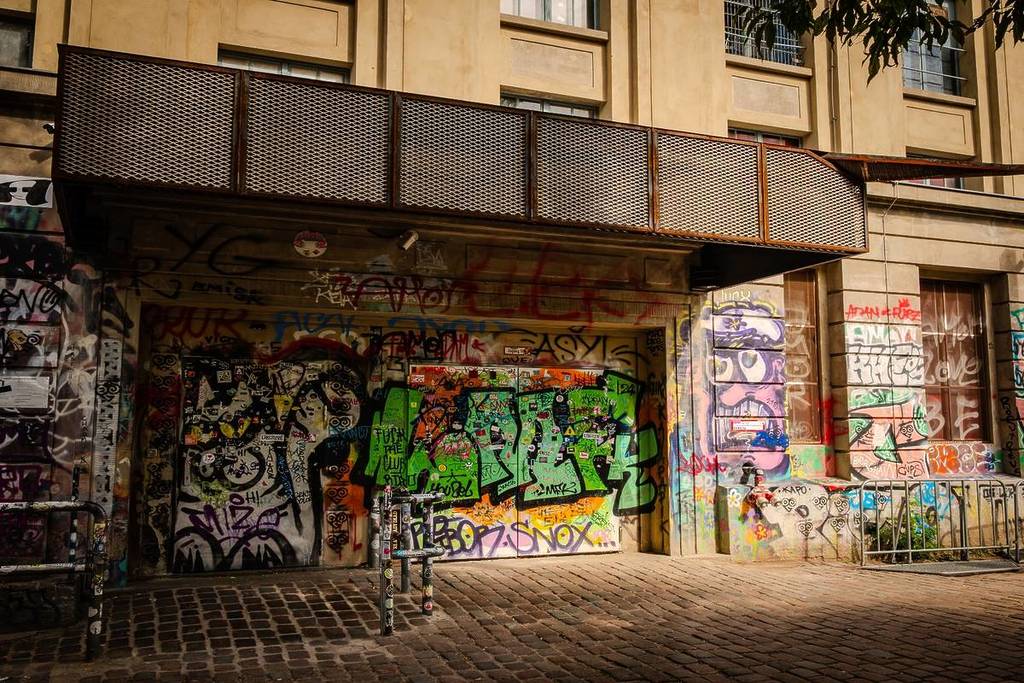
Berlin’s club culture – a phenomenon in its own right. It has long been known not only in Germany, but worldwide. Music has shaped the city’s culture internationally, and the capital is the undisputed number one in the techno genre in particular. From the unusual outfits that are almost part of the entry ritual at the KitKat club, for example, to the renowned DJs who regularly play here and the legendarily strict door policies. Architecturally, these urban, underground locations are anything but ordinary. From the outside, Wilde Renate looks like a normal apartment building – inside, however, there is a bizarrely intricate labyrinth. And Berghain – the undisputed leader among techno clubs – to which the renowned Spanish singer Rosalía dedicated an anthem entitled “Berghain” just two days ago, impresses not only with its music, but also with its imposing architecture and history, which make up its unique charm.
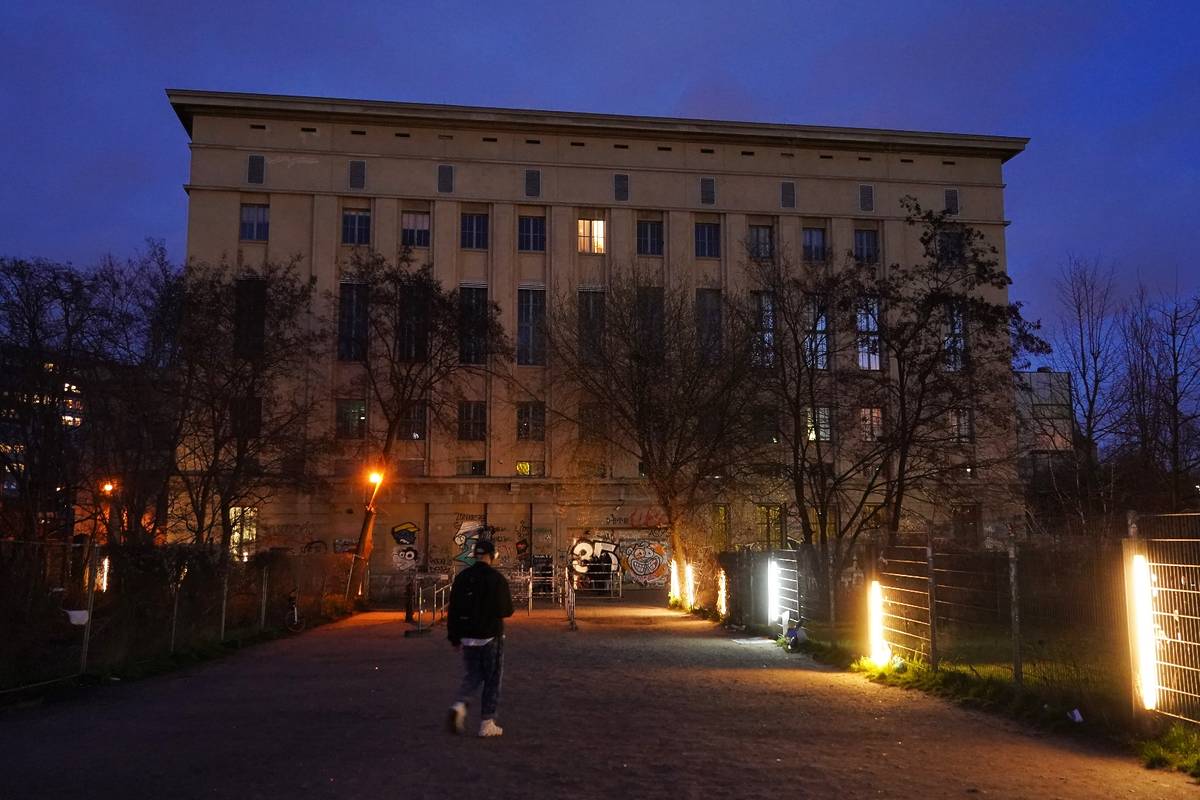
From thermal power station to techno cathedral
With its industrial appearance, the façade of Berghain gives little indication that one of the most famous clubs in the world is hidden behind it. And there is a reason for this: when it was built, the club was not even remotely conceived of. Originally, the building housed the Friedrichshain Combined Heat and Power Plant, which was built in East Berlin in 1950 as part of the GDR’s energy infrastructure. Architecturally, it is considered a monument to socialist classicism and at the same time a prime example of brutalist, industrial architecture. Concrete, steel, high halls – monumental and raw – still characterize the image today. After its decommissioning, the building initially remained a relic of industrial history until it was given a completely new purpose in 2004: It was converted into a club venue. Berghain thus symbolizes an impressive connection between past and present – between industry and culture, GDR history and a globally celebrated music scene.
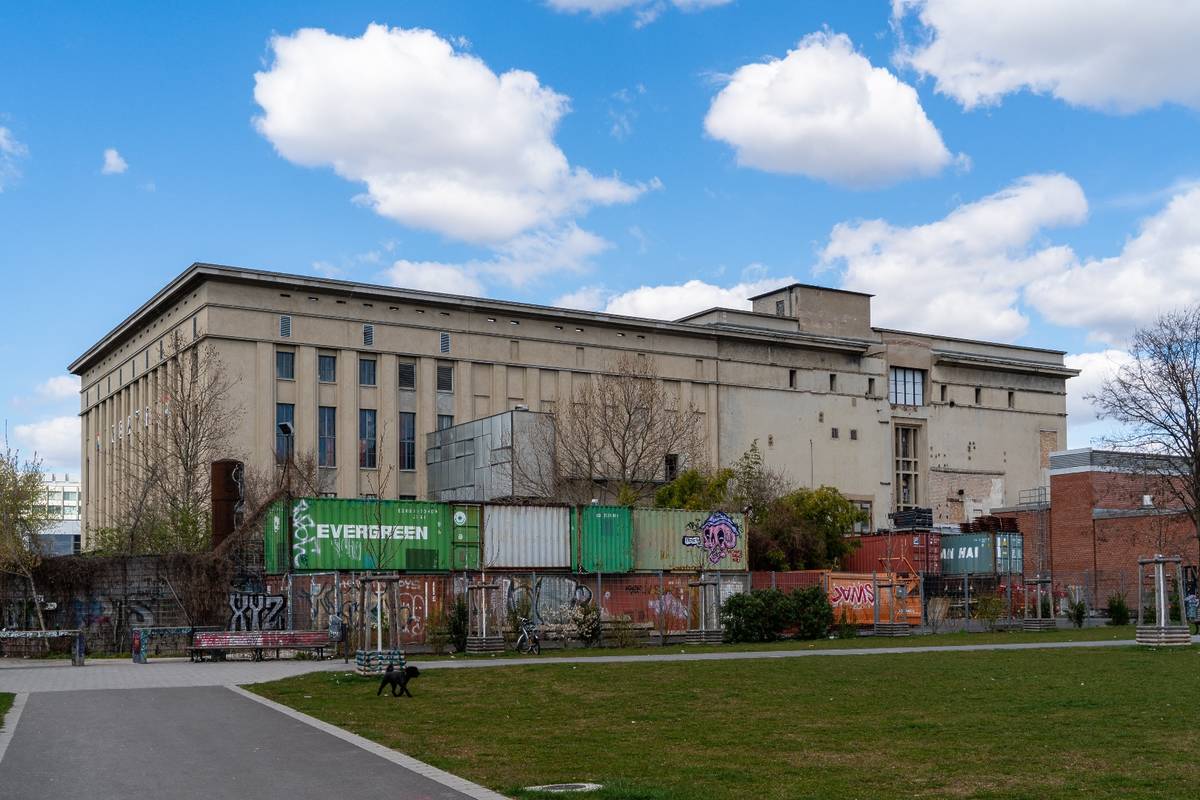
The club opened in the old power station under the name Berghain. The operators included the founders of the predecessor club Ostgut (1998-2003), which previously operated in a warehouse. The design office Studio Karhard was responsible for converting the industrial building into a club. The existing heating plant ambience was not concealed, but used as part of the aesthetics – the raw atmosphere that makes Berghain so special to this day. Gigantic halls, concrete, steel, no frills: aesthetically, Berghain stands for exactly that – raw and genuine. It doesn’t need any superfluous accessories to shine worldwide. The transition from a power station to a club has created a true cathedral of techno culture.