
Experiencing clubs in Berlin is easy—after all, there are plenty of them. There’s something for every taste, and it’s no wonder Berlin’s club scene is world-renowned: from legendary icons like Berghain to the recently honored Sisyphos. But what’s happening right next to one of the city’s most historic clubs? “Dance Floors of Reunification” is a new multimedia exhibition by Clubcommission Berlin. It tells the story of the period surrounding the fall of the Wall and reunification from a unique perspective: through the club, youth, and subcultures of Berlin and East Germany.
After the fall of the Berlin Wall, numerous new spaces of freedom emerged in Berlin and other parts of East Germany. Vacant buildings, basements, former industrial sites, and brownfields became venues for parties, gatherings, and cultural experiments. People from East and West came together and developed new ways of living together and celebrating. “Dance Floors of Reunification” not only tells the story of new beginnings, freedom, and euphoria, but also explores the conflicts, exclusion, loss, and repression that occurred in the years following 1989.
On display are more than 30 stories and artistic contributions. Photographs, films, video installations, archival material, as well as personal memories and testimonies from eyewitnesses bring that era back to life. The focus isn’t exclusively on Berlin’s now world-famous techno scene. The exhibition also takes visitors to other East German cities and rural regions, exploring youth and subcultures before 1989 as well as the spaces of freedom that emerged after the fall of the Wall.
Just as extraordinary as the exhibition, however, is its venue. It takes place at SOURCE, the underground vaulted cellars of the Kraftwerk Berlin on Köpenicker Straße. These hidden rooms are being opened to the public for the first time as part of the exhibition. They are located beneath the Kraftwerk and right next to what is now the Tresor. Visitors to the exhibition will thus gain access to a part of the building complex that has previously been off-limits to the public.
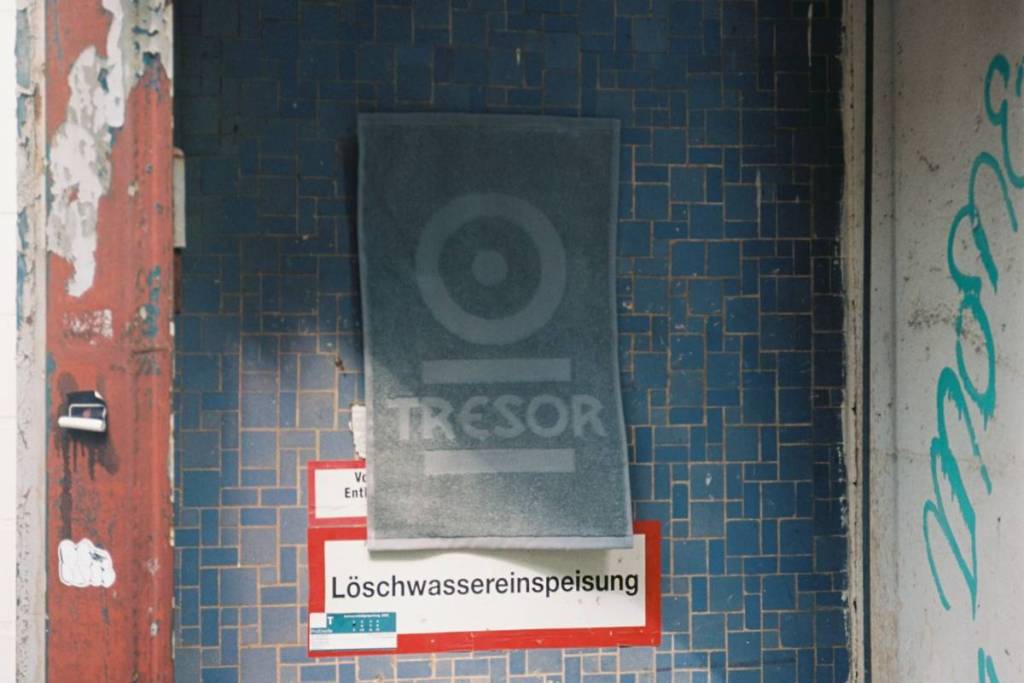
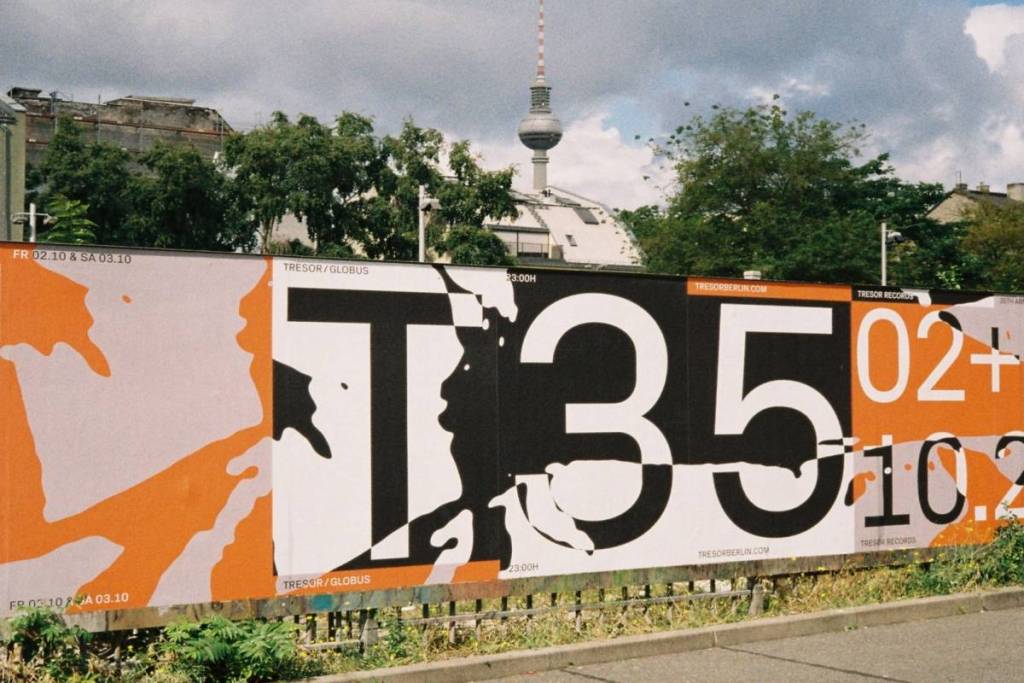
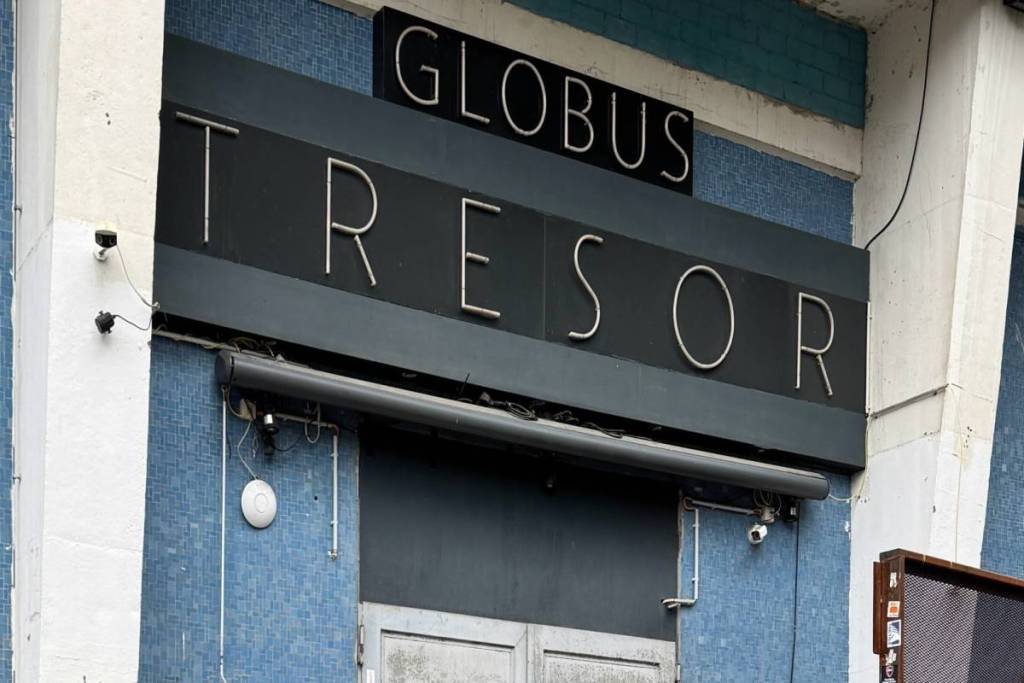
However, this venue should not be confused with the original Tresor from the 1990s. The legendary club opened in 1991 in the vault of the former Wertheim department store on Leipziger Straße and played a decisive role in shaping Berlin’s early techno scene. After that location was forced to close in 2005, the Tresor moved in 2007 to the former heating plant on Köpenicker Straße, where the club remains to this day. The exhibition itself is therefore not located in the former Tresor, but in previously inaccessible vaulted cellars right next to today’s Tresor.
The Kraftwerk also has a special history. The former Berlin-Mitte cogeneration plant was built between 1960 and 1964 and supplied parts of East Berlin with energy and heat during the GDR era. After operations ceased in 1997, the massive industrial complex initially stood empty. Tresor founder Dimitri Hegemann later discovered the building as a new cultural venue, before Tresor found its new home there in 2007. Today, the power plant’s monumental former turbine hall is also known as an event and exhibition venue.
It is precisely this that allows “Dance Floors of Reunification” to bring together multiple layers of Berlin’s history. A former East German power plant, one of the city’s most famous techno clubs, and the history of youth and club culture surrounding reunification all come together in a single location. The architecture, lighting, and sound of the underground spaces are intentionally integrated into the exhibition, evoking those improvised basements, brownfields, and industrial buildings that were taken over by the scene after the fall of the Wall.
What makes this particularly extraordinary is that this glimpse is only available for a short time. The underground spaces will be open for just about five weeks and are set to close again once the exhibition ends. The regular exhibition runs from October 4 to November 8, 2026, before the closing event takes place on November 9. It is open Wednesdays through Sundays from 3 p.m. to 9 p.m. Admission is free, but visitors must reserve a free time slot in advance.