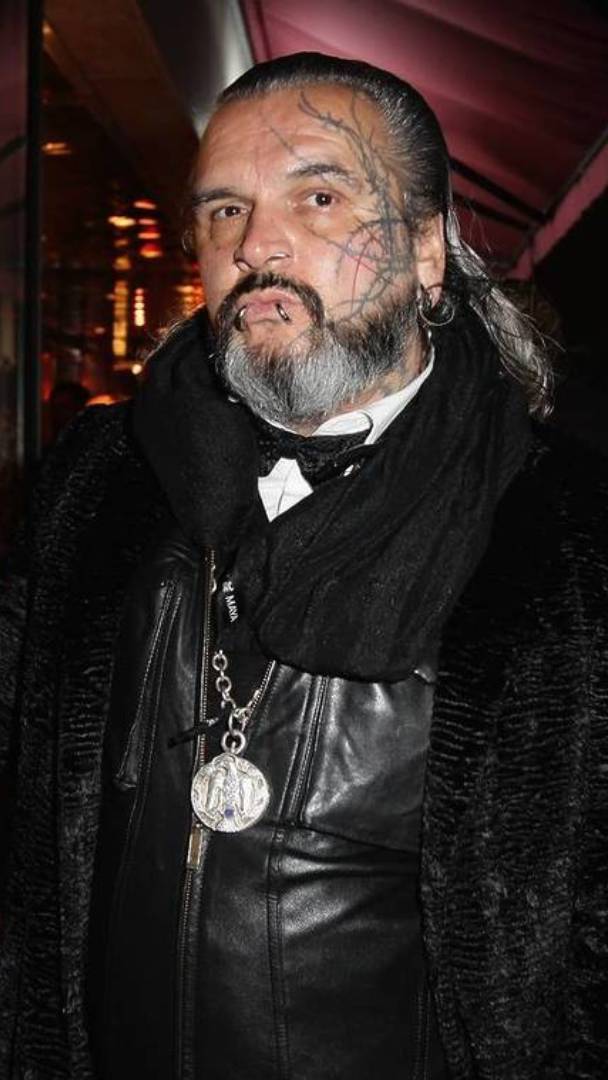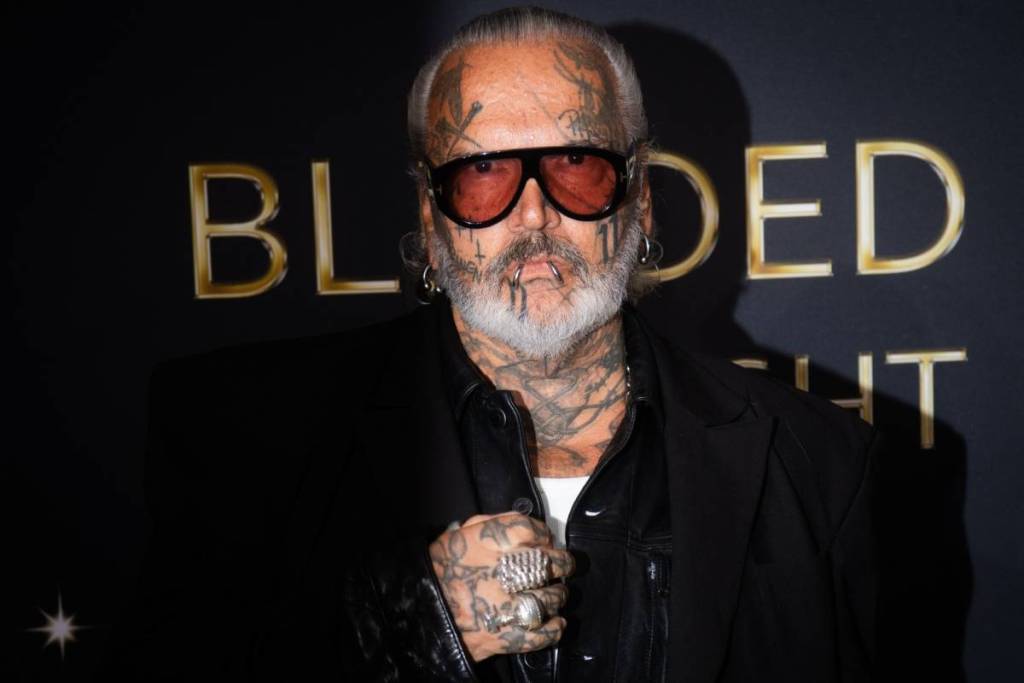

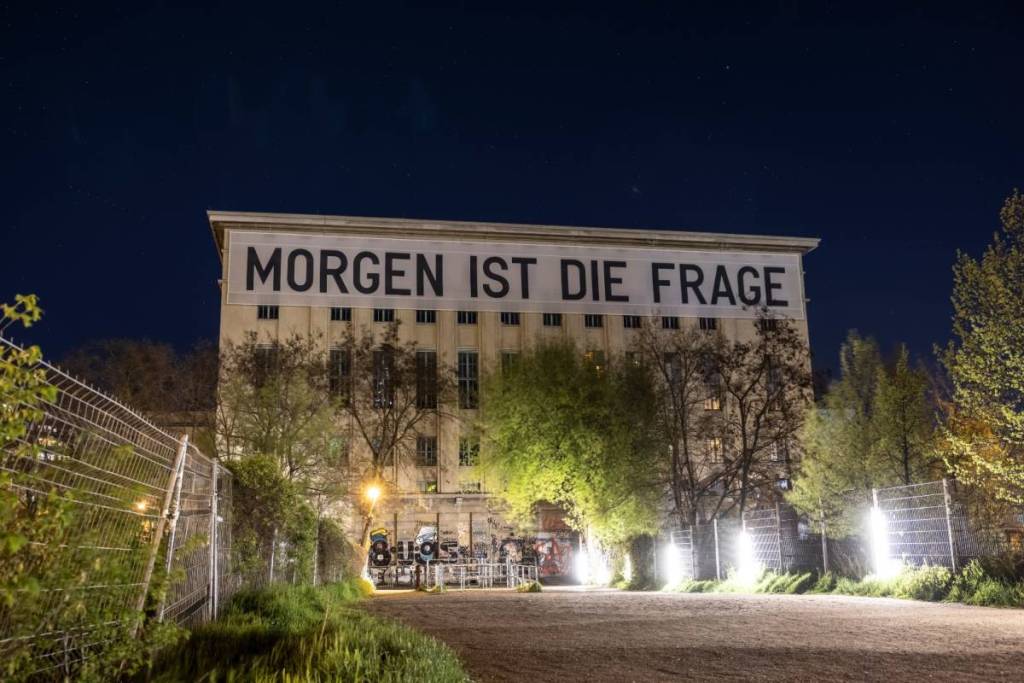
Clubs in Berlin are more popular than almost anywhere else—and getting in can be just as difficult . Popular clubs mean long lines outside the door, where people wait in line for an unforgettable night. Whether you’ve been there countless times or Berghain is still on your bucket list: For many, walking through that famous door is one of those things they want to experience at least once in their lives. And who do you have to get past to do that? Occasionally, it’s actually still Berlin’s most famous bouncer, Sven Marquardt. While we’ve already given you six tips that can make getting in easier, this time we want to take a closer look at what really matters in the end—and which factor is more decisive than all the others.
Sven Marquardt is known not only as Berghain’s doorman but also as a photographer and artist. He grew up in East Berlin and began photographing people from the punk and new wave scenes in Prenzlauer Berg as early as the 1980s. After the fall of the Berlin Wall, he initially continued working as a photographer and eventually became a bouncer through his involvement in Berlin’s club scene. When Berghain opened in 2004, Marquardt began working as a bouncer there. His distinctive appearance—with facial tattoos and dark clothing—has since become closely associated with the club’s legend. At the same time, he continues to work as a photographer and has published several photo books.
Marquardt explicitly states that the decision at the door is subjective. He also explains that only a few members of his door team are actually allowed to select guests. These bouncers must first understand what Berghain stands for. After that, there are no fixed rules by which each guest is judged. According to Marquardt, there is therefore no official checklist based on clothing, age, language, or behavior that guarantees entry. While numerous tips circulate online—such as arriving early, speaking German, dressing inconspicuously, or not showing up in a large group—Marquardt refutes the idea that such rules could guarantee entry. For him, the decision remains subjective. Marquardt has also explained that the selection process is not about judging people based on a specific ideal of beauty. Rather, the goal is to create a certain mix of people in the club.
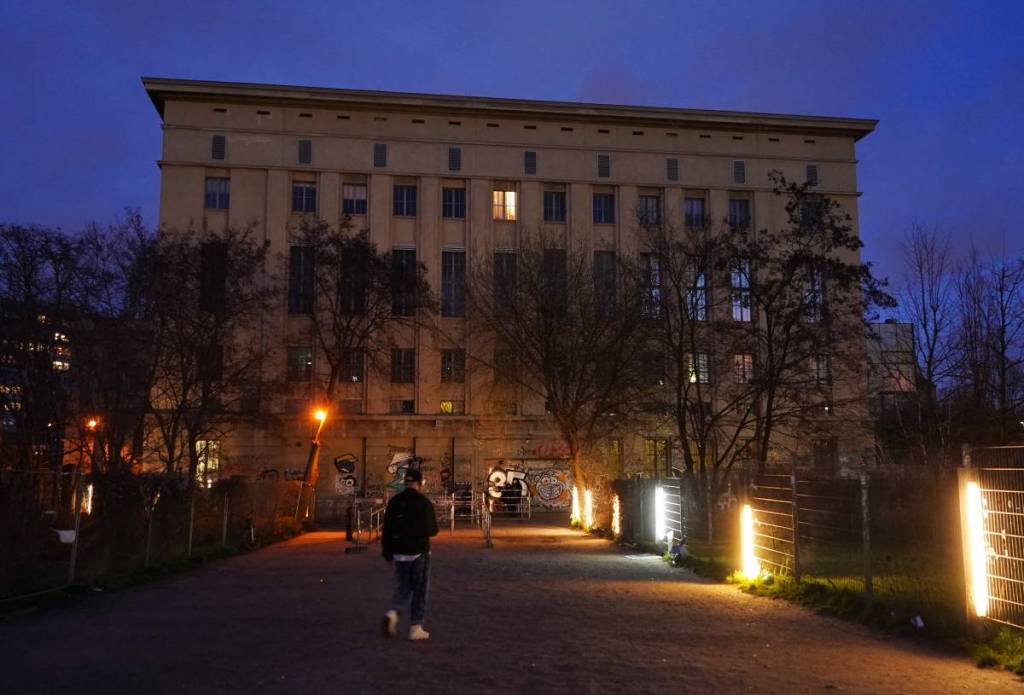
Marquardt also sees his door policy as a responsibility toward the people who visit the club. He says he wants to keep Berghain a safe place for people who come there to party to the music and feel free. Guests should be able to forget about time and space for a while and focus entirely on the experience.
The club’s history also plays a role. Berghain is rooted in the tradition of Berlin’s club and queer scene of the 1990s. For Marquardt, this means preserving an open and tolerant space. He also emphasizes that the goal isn’t to let in as many attractive or particularly fashionably dressed people as possible. Instead, the diversity of the crowd plays an important role for him. Different people should come together and shape the club’s character as a group.
The quote comes from the documentary “Berlin Bouncer” by director David Dietl, which was released in 2019. The film follows three well-known Berlin bouncers and explores their work, their pasts, and their significance for Berlin’s club culture.