
Berlin is not only at the forefront when it comes to music—and especially techno —but also in the realm of art, whether modern or classical. World-renowned artists present rare works here in extensive exhibitions, often in a setting never before seen. These include, for example, the Scharf Collection with works by Goya, Monet, and Cézanne, or “Balkan Erotic Epic” by Marina Abramović. With a constant stream of new, exciting exhibitions, the capital’s art scene is always buzzing—and starting tomorrow, there’s another addition: The first major Brancusi retrospective in Germany in over 50 years runs from March 20 to August 9, 2026, at the Neue Nationalgalerie.
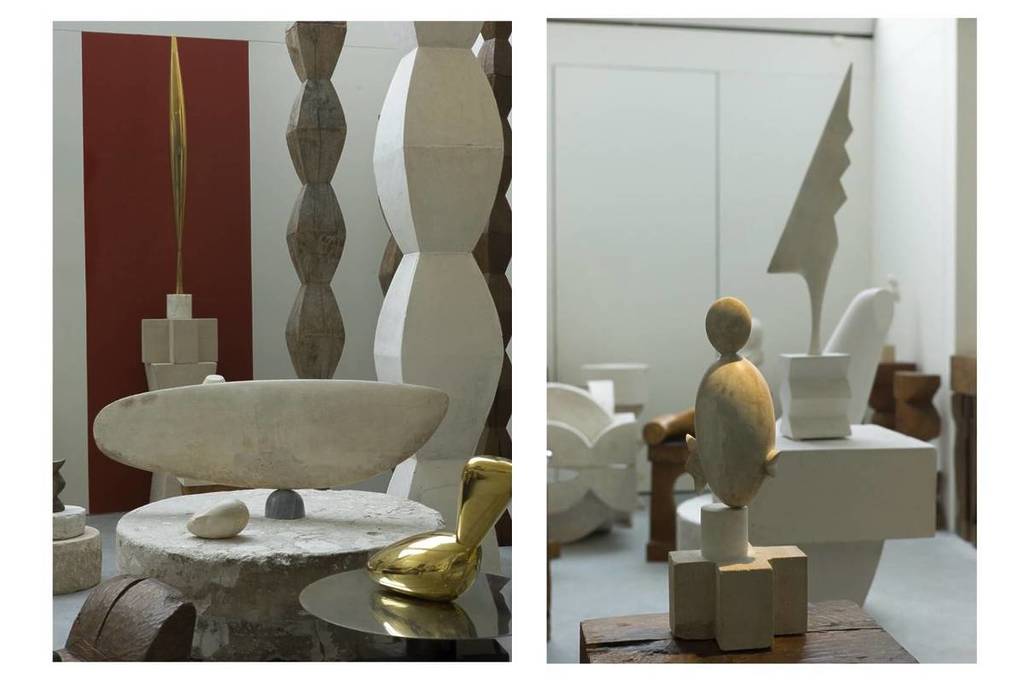
In cooperation with the Centre Pompidou , over 150 works will be presented , including sculptures, photographs, drawings, films, and “ ,” as well as rarely seen archival materials. A special highlight is the partial reconstruction of his legendary studio, which is on view outside of Paris for the first time since 1957.
Constantin Brancusi is regarded as a pioneer of modern sculpture and a trailblazer of abstraction. Born in Romania in 1876, he developed his distinctive style in Paris starting in 1907. His works are characterized by a radical reduction to the essentials , with a clear focus on form, material, surface, and light. His visual language appears organic, minimalist, and almost meditative—always driven by the search for the ideal expression.
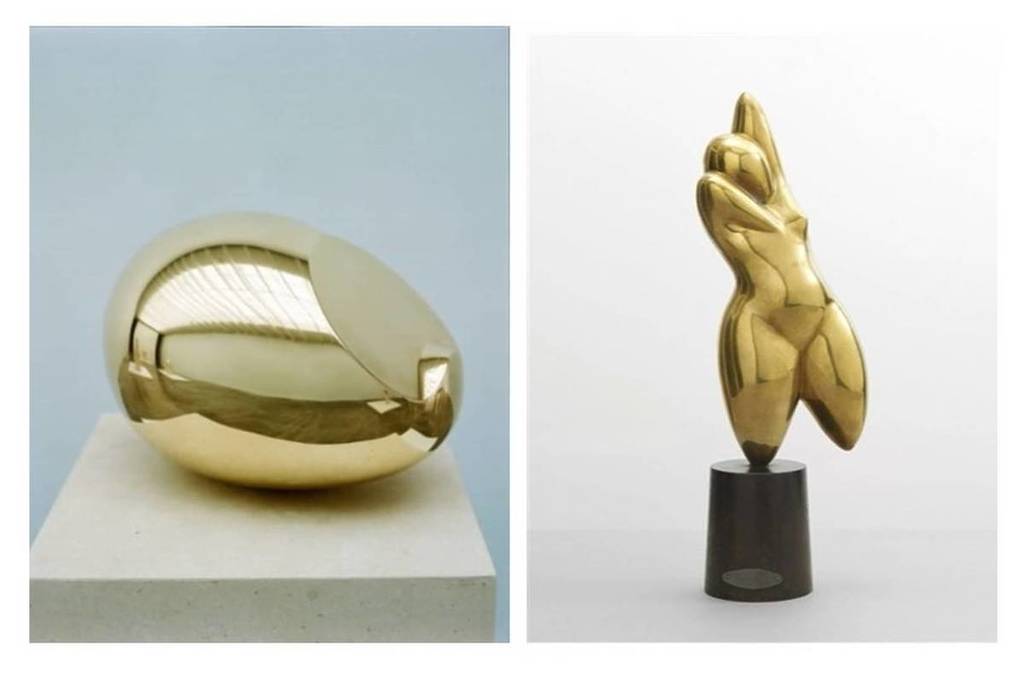
The exhibition features some of his most famous works, including “The Kiss, ” a starkly minimalist depiction of intimacy; “Bird in Space, ” which symbolizes movement and ascent; “Sleeping Muse, ” a serene, nearly perfect form; and the “Endless Column,” a symbol of infinity.
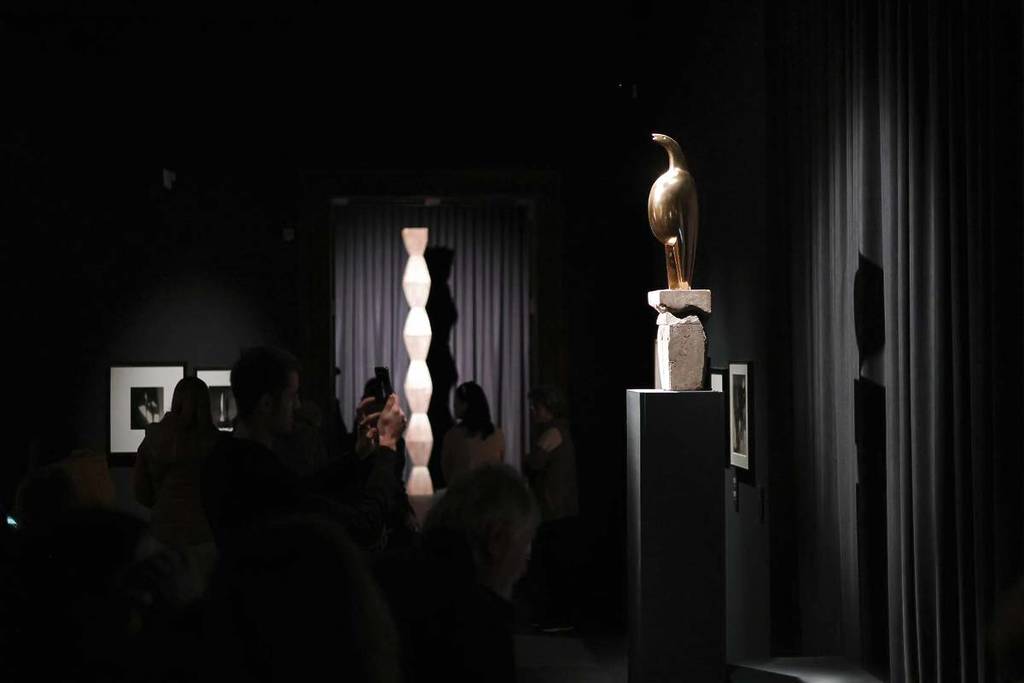
Brancusi fundamentally reimagined sculpture by consciously moving away from detail and focusing on the essence. He made deliberate use of materials such as bronze, stone, and wood, with even the pedestals becoming an integral part of his works. Furthermore, he utilized light, movement, as well as photography and film to effectively showcase his works. What appears simple at first glance is, in reality, highly conceptual and precisely thought out.
While Brancusi enjoys great renown in France, he remained something of an insider’s tip in Germany for a long time and was appreciated primarily by art connoisseurs. The exhibition aims to help make his work accessible to a broader audience here.