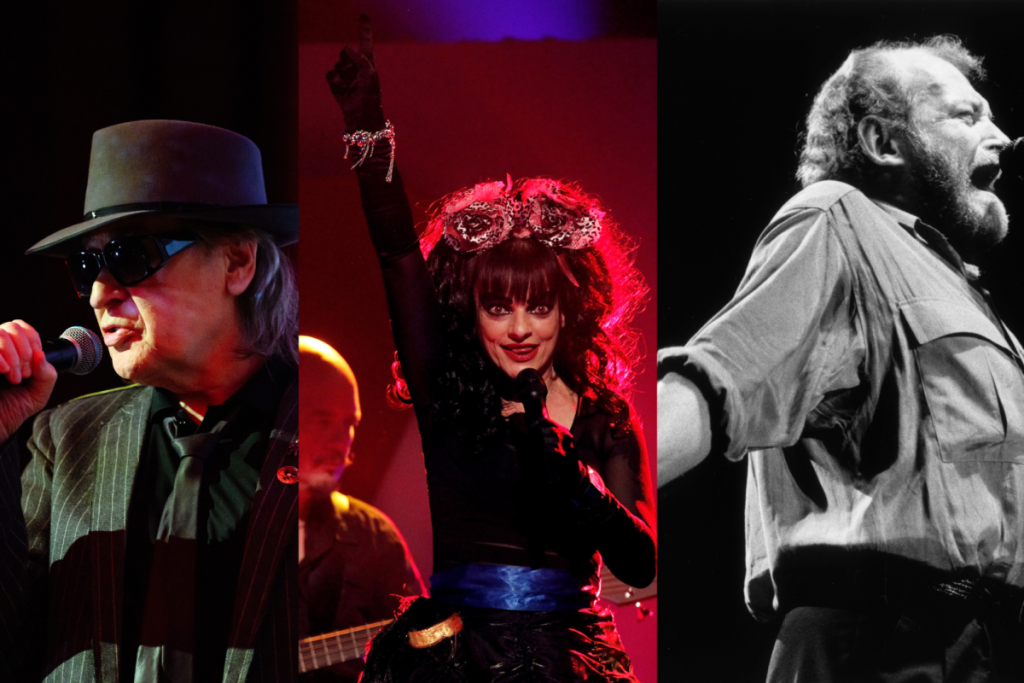

Music repeatedly made history in divided Berlin. While Bruce Springsteen spoke of a world without walls in East Berlin in 1988 and Roger Waters brought down a gigantic stage wall at Potsdamer Platz in 1990, numerous stars were already celebrating the fall of the Berlin Wall on November 12, 1989. In just a few days, Berlin radio staff organized an eleven-hour free concert featuring Udo Lindenberg, Nina Hagen, and Joe Cocker—around 50,000 people came to celebrate their newfound freedom.
On November 12, 1989, just three days after the fall of the Berlin Wall, the Deutschlandhalle in West Berlin was transformed into a venue for musical reunification. Under the title “Concert for Berlin,” numerous artists from East and West celebrated the historic opening of the border together with thousands of people. What today seems like a meticulously planned major event came together in a very short time: As early as November 10, staff at the radio station Freies Berlin (SFB) began organizing a free concert for people from the GDR, who were now able to travel to West Berlin unhindered for the first time.
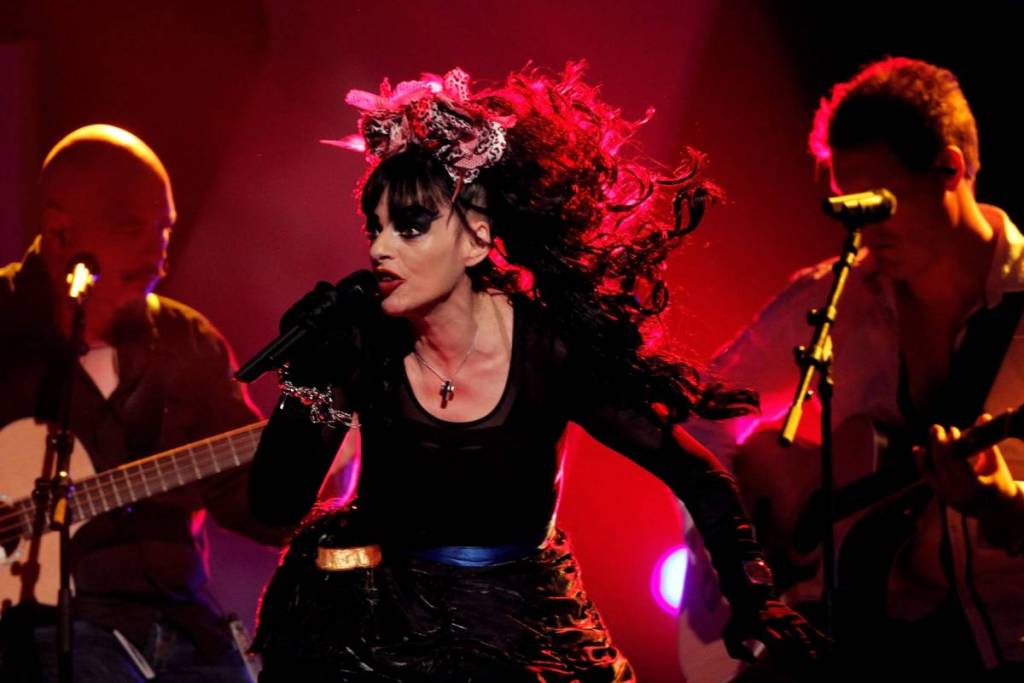
Within just two days, the organizers managed to put together an impressive lineup featuring around 20 artists and bands. Among the best-known names were Udo Lindenberg, Nina Hagen, Joe Cocker, Die Toten Hosen, Nena, BAP, the Puhdys, Silly, and Melissa Etheridge. From 1:00 p.m. until midnight, the Deutschlandhalle became the stage for an eleven-hour music marathon. About 50,000 people attended the concert throughout the day—significantly more than the venue could accommodate at any one time.
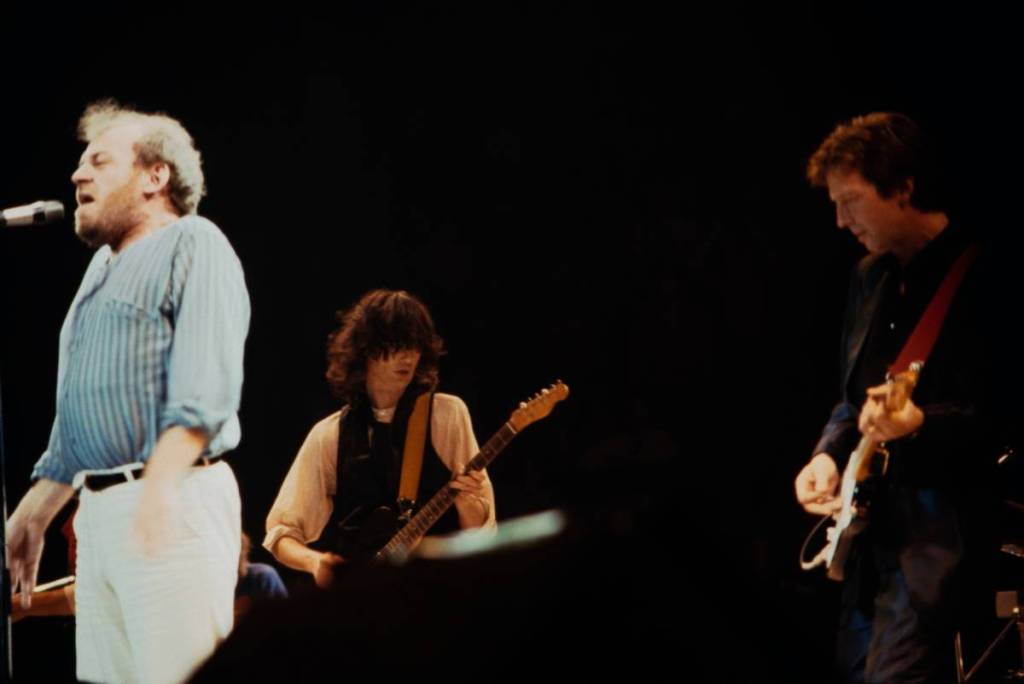
Particularly symbolic was the performance by Udo Lindenberg, who had already provoked the GDR leadership in 1983 with his song “Sonderzug nach Pankow” (Special Train to Pankow). For the concert, he changed the lyrics of his famous song, having the train now symbolically travel from East to West Berlin. Joe Cocker also created a special moment with his classic “With a Little Help from My Friends.” He shared the stage with female musicians from East and West, including Tamara Danz of Silly. Shortly before midnight, Nena closed the concert with her song “Wunder gescheh’n.”
The event was broadcast live on the radio and captured the euphoria of those days through music. It is noteworthy that no complete television recording of the SFB production from that time exists. It wasn’t until decades later that historical audio recordings were rediscovered and released as an album in 2014. Thus, the “Concert for Berlin” remains an extraordinary testament to those days when the Berlin Wall had just fallen and music brought people from East and West together.