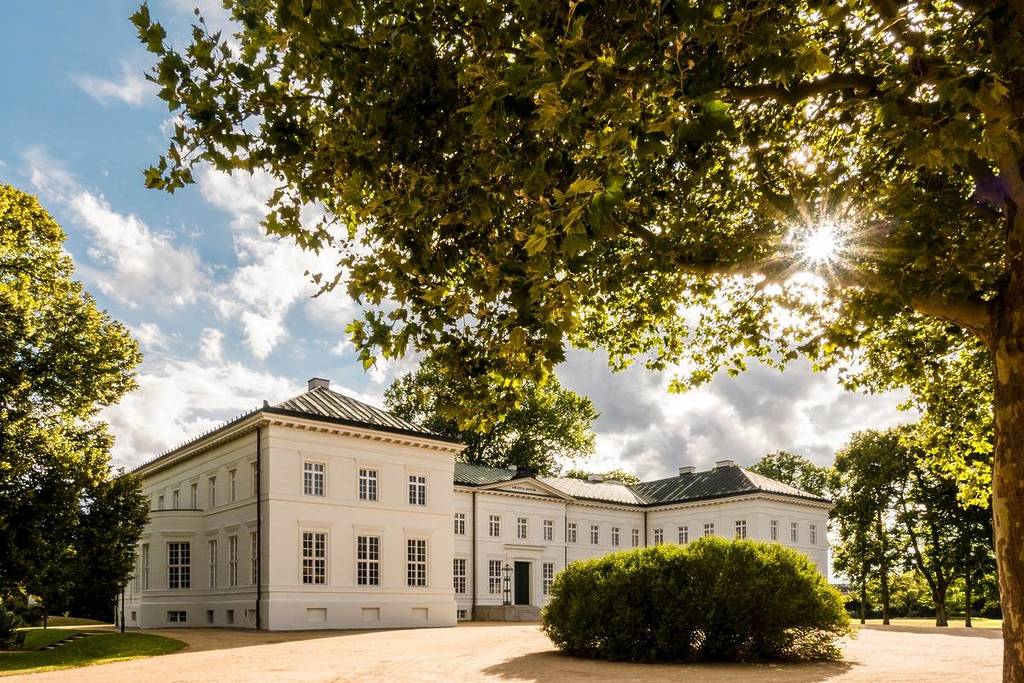
Castles are often fairytale places. They transport us back to historical times when the world was ruled by kings and Berlin’s techno scene was still a long way off. To spark your imagination, it’s worth taking a trip to the most beautiful castles and palaces in Brandenburg.Neuhardenberg Castle is much more than just a chic mansion. It is a Prussian Gesamtkunstwerk (total work of art) and, at the same time, a historic site of resistance.
From baroque ostentation to a place of resistance against the Nazis
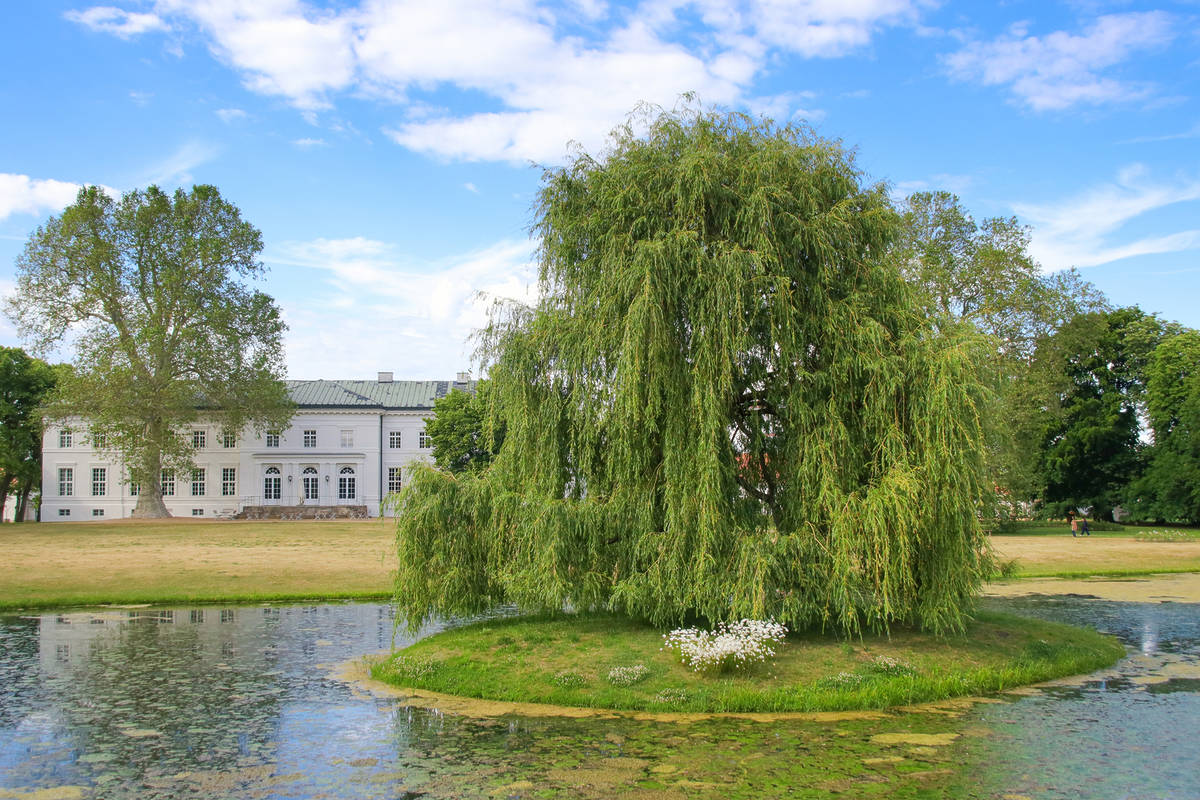 Photo: Shutterstock
The small town about 70 kilometers east of Berlin was originally called Quilitz. After a devastating fire in 1801, the village was almost completely redesigned—which is why the streets look so symmetrical and strictly organized today. It received its current name as a royal gift, so to speak: in 1814 , Frederick William III gave the estate to his state chancellor, Karl August Prince of Hardenberg, as a token of gratitude for his services to the Prussian reforms. And with his appointment as prince, the town was promptly renamed Neuhardenberg.
Hardenberg had the old castle converted into a representative country residence from 1820 onwards. He no longer wanted a ostentatious Baroque palace, but a building that radiated reason, elegance, and Prussian practicality.
In later years, Neuhardenberg Castle remained an important symbol of history. During World War II, it was aplace of resistance: the castle became a meeting place for the conspirators of July 20, 1944. Carl-Hans Graf von Hardenberg was a descendant of the State Chancellor and a staunch critic of Hitler. He used the seclusion of the palace to organize the resistance and helped plan Stauffenberg’s famous failed assassination attempt. When it failed, the Gestapo struck: the entire family was expropriated and the count was sent to Sachsenhausen concentration camp.
The secret of the Schinkel Church
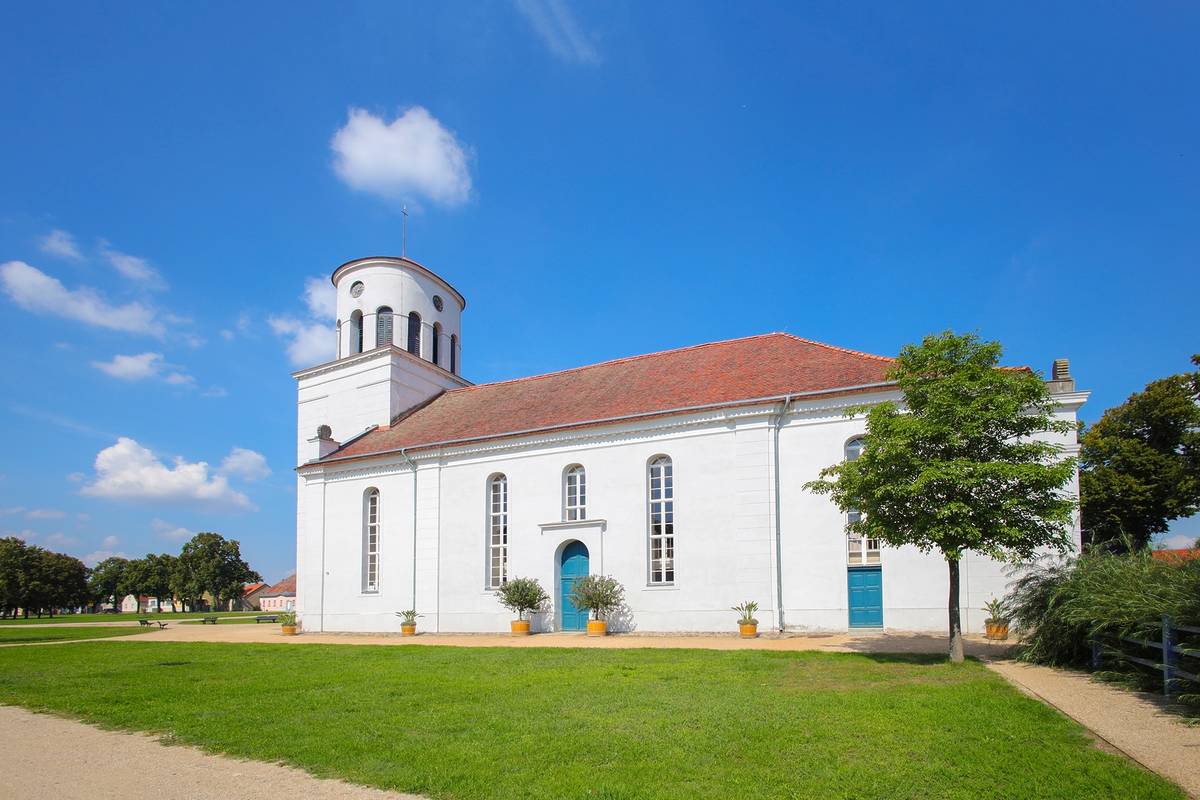 Photo: Shutterstock
Today, the castle is run by the Schloss Neuhardenberg Foundation and is a place for high culture and relaxation alike. Readings with well-known actors, concerts, and political debates take place here regularly. There is a permanent exhibition on the history of the von Hardenberg family as well as changing art exhibitions. It’s worth taking a look at the calendar of events.
A visit to theSchinkel Church is an absolute must: it is one of the most important buildings of German classicism and was designed by the famous architect Karl Friedrich Schinkel. Unlike any ordinary church, it does not have a pointed steeple, but a massive, square tower with a flat roof. At the time, this seemed so modern and unusual that the villagers mockingly called it the “tobacco box.” The interior of the church is also a highlight: the ceiling is designed like a starry sky and was originally created as a stage set for the opera “The Magic Flute.”
And by the way: a capsule is embedded in the back wall of the altar. It contains the real heart of State Chancellor Karl August von Hardenberg. The rest of his body lies in a mausoleum in the castle park. This separation of heart and body was an old tradition among the nobility – today it seems almost like something out of a horror novel.