
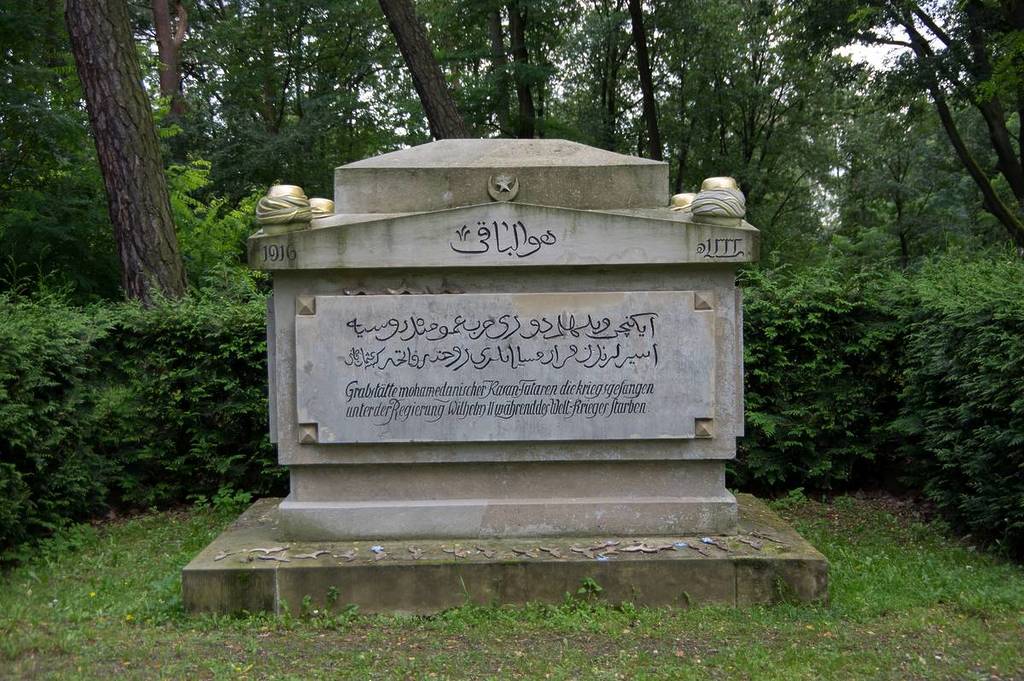

In the heart of the Markish Forest near Wünsdorf lies a historic site of global significance: the Zehrensdorf Memorial Cemetery, also known as the Zehrensdorf Indian Cemetery. The origins of this unique war cemetery date back to World War I. Starting in 1914, the German Empire established the so-called “Halbmondlager”(Crescent Camp) in Wünsdorf, where Muslim, Hindu, and Sikh prisoners of war from the British and French colonies were specifically interned.
An Indian memorial cemetery in the Markish Forest
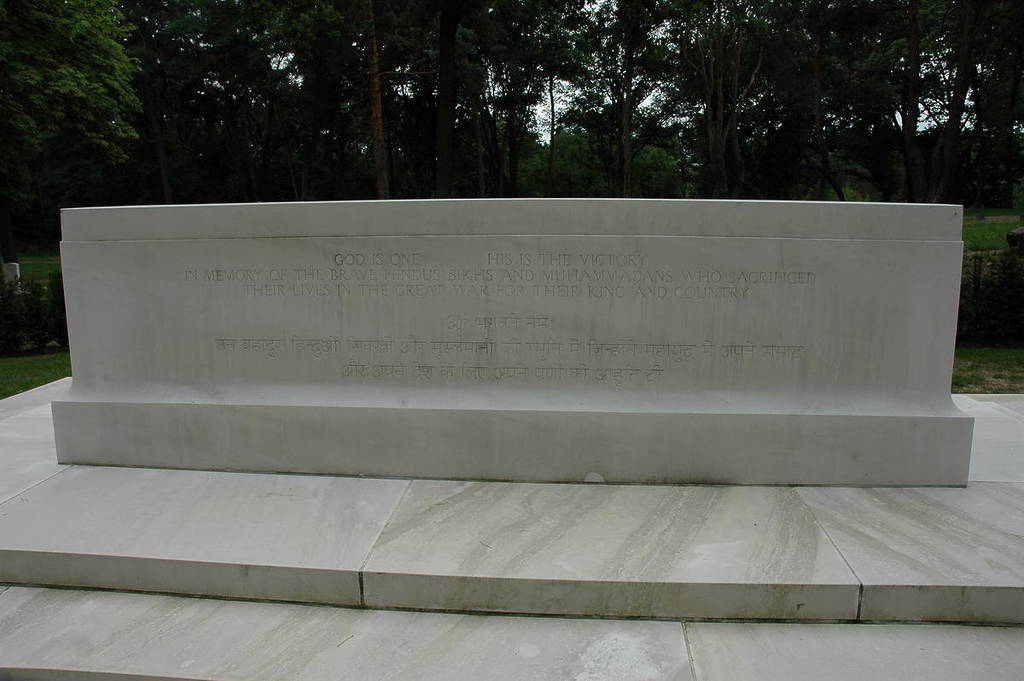
Over 200 Indian soldiers who died in the camp far from home due to illness or the harsh winter found their final resting place in the cemetery in Zehrensdorf, which was established specifically for this purpose. After World War II, the areaon , located within theSoviet exclusion zone , fellcompletely into oblivion and became overgrown.
Recommended Articles
 10 great Christmas gifts that will make everyone happy!
 Just 15 Minutes & 5 Ingredients: Moist Cake Made from Whole Lemons—Cooked with the Peel, No Flour, No Butter, and No Refined Sugar
It was only after the Red Army withdrew in 1994 that the site was faithfully reconstructed by the Commonwealth War Graves Commission in a project spanning many years. Today, with its perfectly manicured English lawns and light-colored gravestones adorned with Hindu and Sikh religious symbols as well as the names of the fallen, the cemetery appears like a peaceful, almost surreal oasis in the middle of the Brandenburg pine forest.
Nestled in unspoiled nature and military history
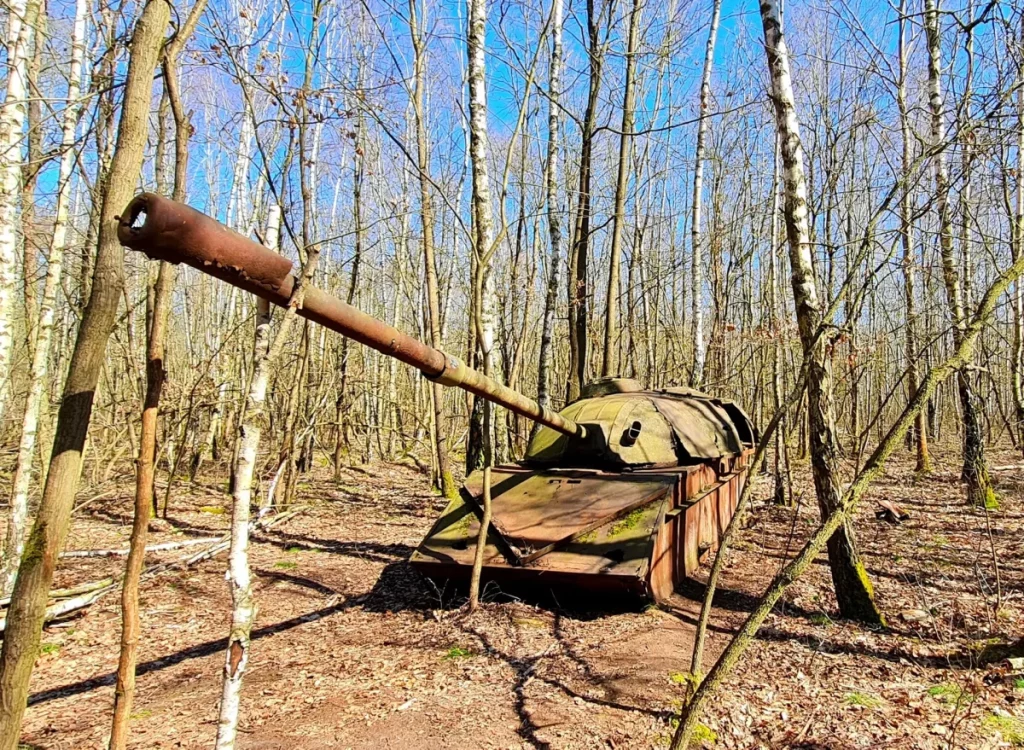
The Zehrensdorf Memorial Cemetery is surrounded by the wild beauty of the Jägersberg-Schirknitzberg Nature Reserve . Ironically, this approximately 1,600-hectare landscape, shaped by the Ice Age, also owes its current appearance to military history. Since the area was used as a military training ground for decades, tank tracks repeatedly tore up the ground.
This gave rise to a valuable, open cultural landscape of expansive inland dunes, drifting sand fields, and purple-blooming heathlands, which is now under European protection. Visitors to the cemetery wander through sparse, ancient oak forests and moors that serve as a refuge for rare animal species such as the woodlark or protected bats. Deep in the thicket of the protected area, one can also come across rusty relics such as abandoned Soviet training tanks.
The Jägersberg-Schirknitzberg Nature Reserve thus provides the perfect, contemplative setting for the Zehrensdorf Indian Cemetery, harmoniously blending the traces of the past with untouched nature.
