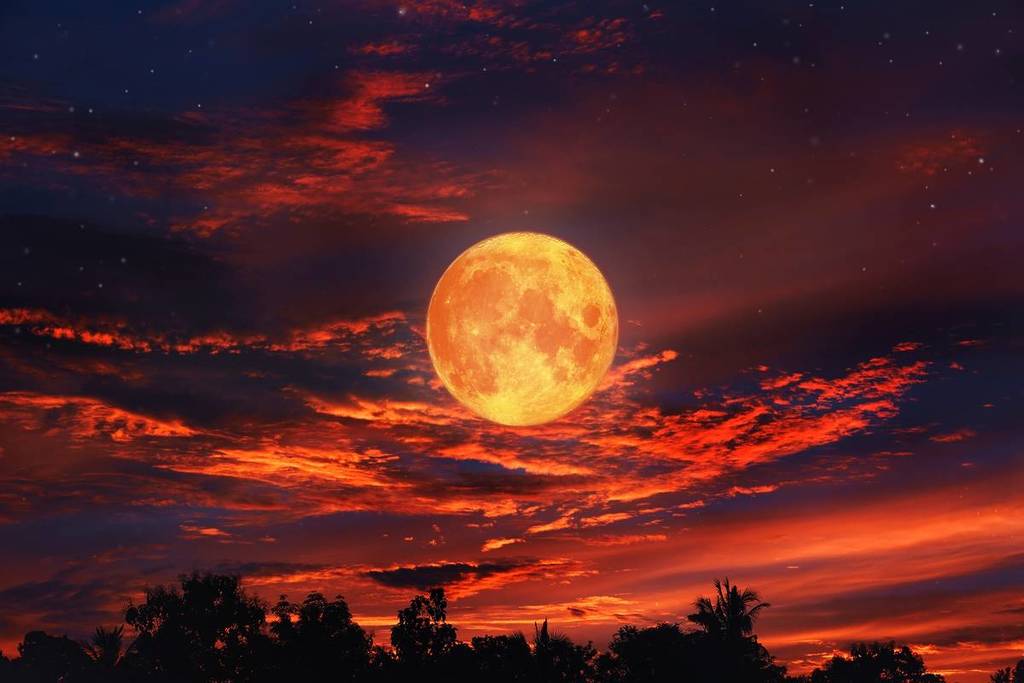
More than just an astronomical phenomenon
It is a full moon that appears particularly large and bright because it is close to its closest point to the earth, the perigee. This makes it appear up to 14% larger and around 30% brighter.
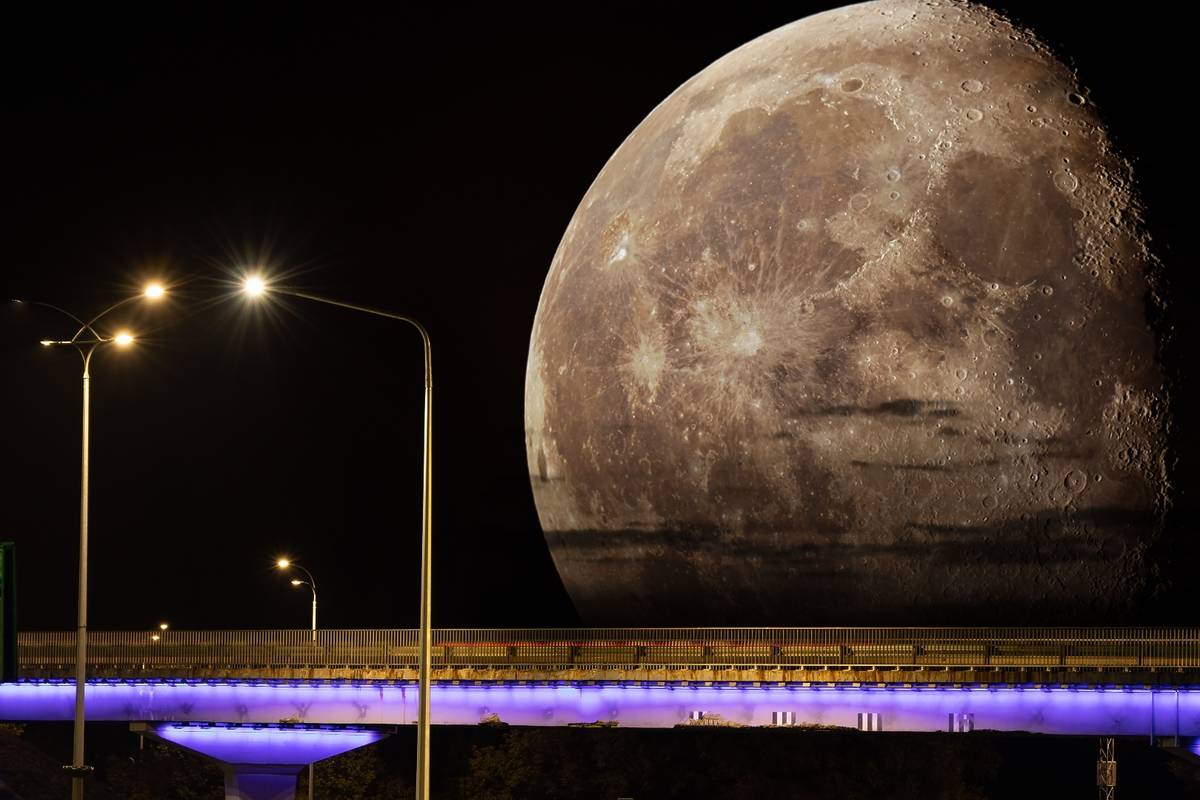
The full moon reaches its peak at 00:14 on December 5. This means that the moon is exactly opposite the sun – a moment known as “opposition”. The full moon in December is also closest in time to the winter solstice in the northern hemisphere (December 21) and therefore reaches its highest position in the sky throughout the year. In contrast, the full moon near the summer solstice marks the lowest position of the year. And it has another special feature: it is the highest full moon in the northern hemisphere until the year 2042. It also rises and sets at the most extreme points on the horizon – in the north-east and north-west.