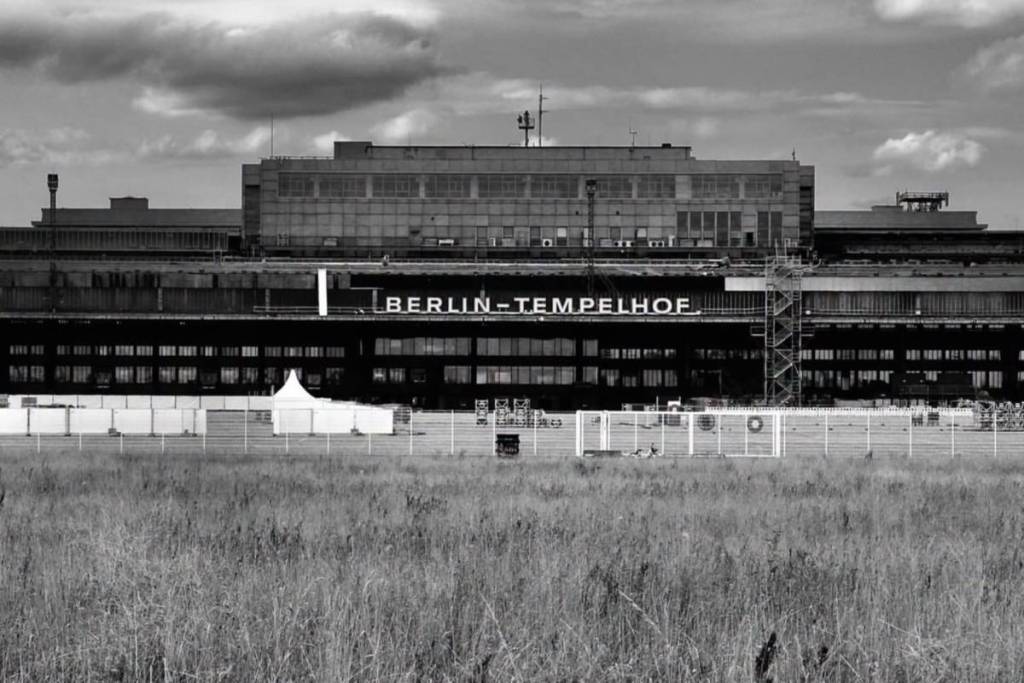

Tomorrow marks the 103rd anniversary of the opening of Tempelhof Airport. On October 8, 1923, what was then known as “Tempelhofer Feld Airport” officially began operations, laying the foundation for one of the most significant chapters in Berlin’s aviation history.

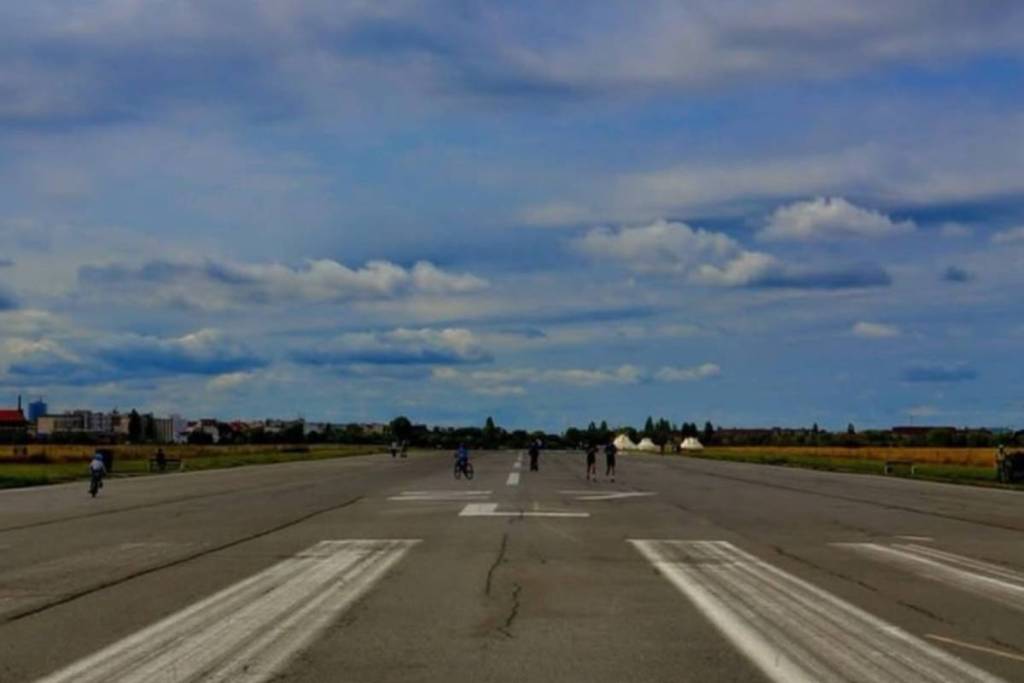
Today, October 8, 2026, marks the 103rd anniversary of the opening of Tempelhof Airport. What began in 1923 as a relatively simple airfield developed over the decades into one of Europe’s most famous airports. Tempelhof became the site of the historic Berlin Airlift, witnessed the rise of international air travel, and finally ceased operations after 85 years. Since 2010, the former airport grounds have served as a vast public recreational area where Berliners can now go for walks, ride bikes, skate, or simply enjoy nature.
The history of Tempelhofer Feld extends far beyond the airport’s opening. As early as the 19th century, the expansive grounds were used as a military drill ground and parade ground . At the same time, it became a popular destination for Berliners. Later, the first flight attempts and spectacular air shows took place here, attracting large crowds of onlookers. On October 8, 1923, what was then known as “Tempelhofer Feld Airport” finally began official operations. Among the first flight routes was the one between Berlin and Königsberg. However, at that time, there was still no sign of the monumental airport building that dominates the site today. Instead, the airport initially consisted of simple facilities, before larger hangars, workshops, and terminal buildings were constructed starting in 1924 . Development proceeded rapidly. While only about 150 passengers were carried in the opening year of 1923, that number had already risen to more than 60,000 by the mid-1930s. Tempelhof increasingly developed into a major European air transportation hub.
The airport building we know today was not constructed until 1936, during the Nazi regime. Based on plans by architect Ernst Sagebiel, a monumental building complex was erected, with a curved facade stretching approximately 1.2 kilometers. The roof was even designed to accommodate grandstands for up to 65,000 spectators, while the airport was originally intended to handle up to six million passengers. However, World War II prevented the construction plans from being fully realized.
The Nazi era also marks a dark chapter in Tempelhof’s history. The Columbia concentration camp was located on the site, and later, parts of the airport were used for arms production. Thousands of forced laborers were forced to work under inhumane conditions.
The airport took on an entirely different historical significance during the Berlin Airlift from 1948 to 1949. After the Soviet Union blocked land and water routes to West Berlin, the Western Allies organized a massive airlift to supply the population. Tempelhof became one of the most important transshipment hubs for food, coal, and other essential goods. At times, transport planes landed as frequently as every two minutes. The so-called “raisin bombers” became particularly famous; some of their pilots dropped candy attached to small parachutes for Berlin’s children. To this day, the Air Lift Memorial at Platz der Luftbrücke commemorates this significant chapter in the city’s history.