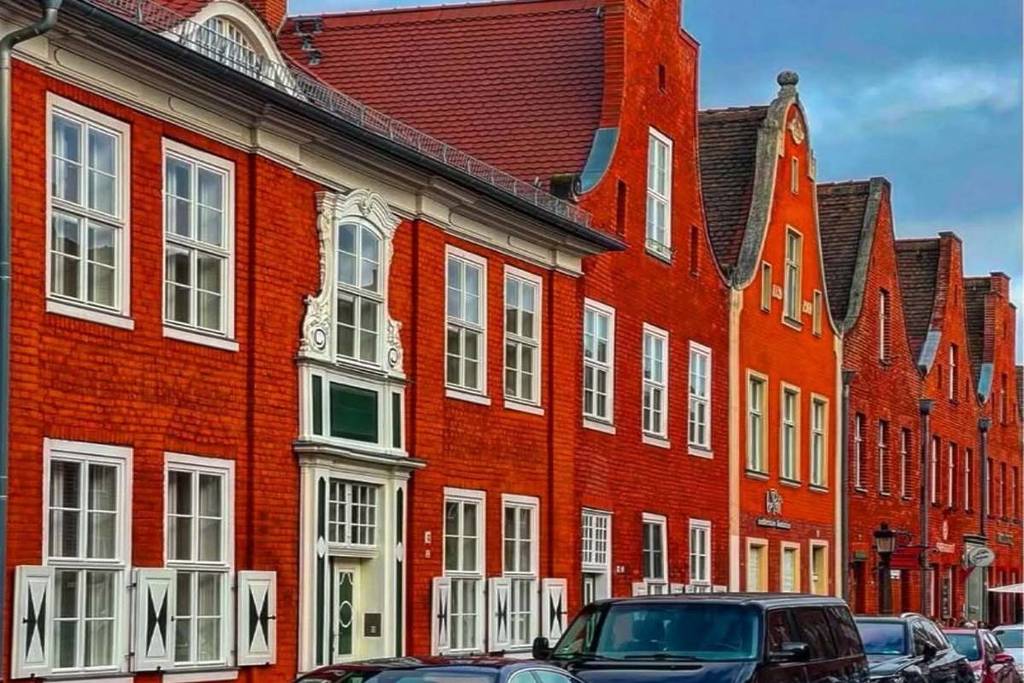

Are you in the mood for a different vibe than the German one again, but don’t want to travel far? From “Little Venice” to Sicilian-style gardens and Scandinavian-inspired nature spots , the area around Berlin has surprisingly much to offer. And the variety doesn’t stop there—how about a little detour to the Netherlands, right in the heart of Potsdam? That’s exactly what awaits you in the Dutch Quarter. It’s one of Potsdam’s best-known and most atmospheric neighborhoods and is often called “Little Amsterdam” because of its historic architecture.
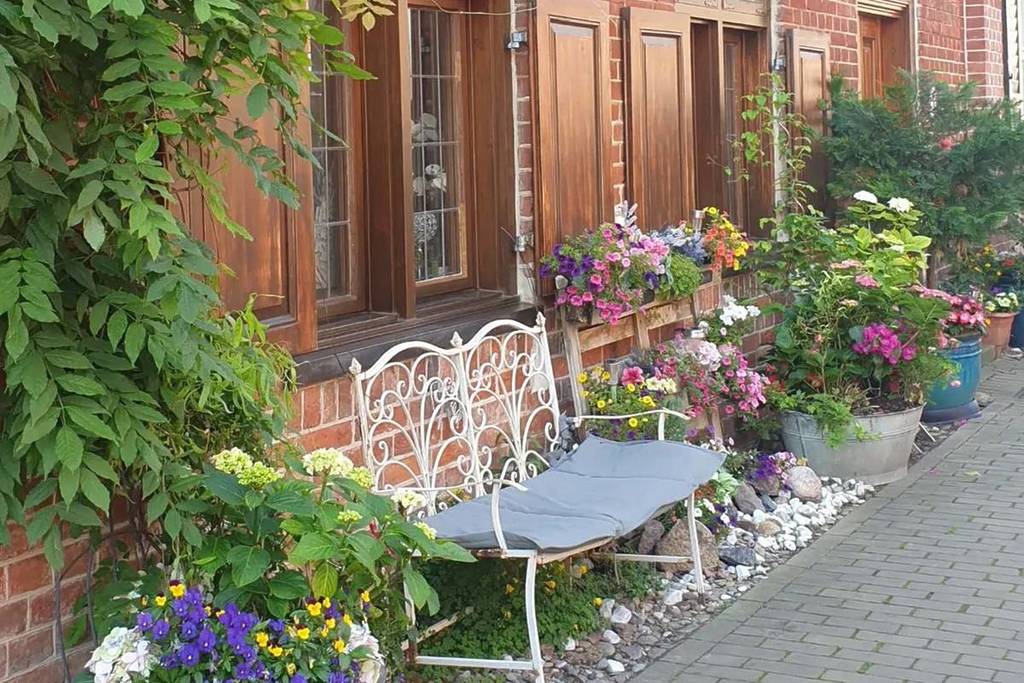
With its red brick facades, small boutiques, hidden courtyards, and cozy cafés, the neighborhood feels almost like a piece of the Netherlands in the heart of Brandenburg. The Dutch Quarter was established in the 18th century under King Frederick William I. The so-called “Soldier King” wanted to bring Dutch craftsmen and construction workers to Potsdam, as they were considered particularly skilled at the time. To offer them a familiar home, he had around 150 houses built in the typical Dutch style between 1733 and 1742. The architect responsible for the planning was Jan Bouman, who hailed from Amsterdam.
The Dutch Quarter consists of four blocks of red-brick houses, curved gables, white window frames, and small cobblestone streets. It is precisely this architecture that stands out sharply from the rest of Potsdam and makes the place so special. Many visitors there almost forget that they are still in Germany.
Today, the Dutch Quarter is one of Potsdam’s most popular spots for strolling and going out. Nestled among the historic houses are small art galleries, design and vintage shops, cafés, wine bars, restaurants, and unique boutiques. It is precisely this blend of history and the creative scene that gives the neighborhood its special atmosphere.
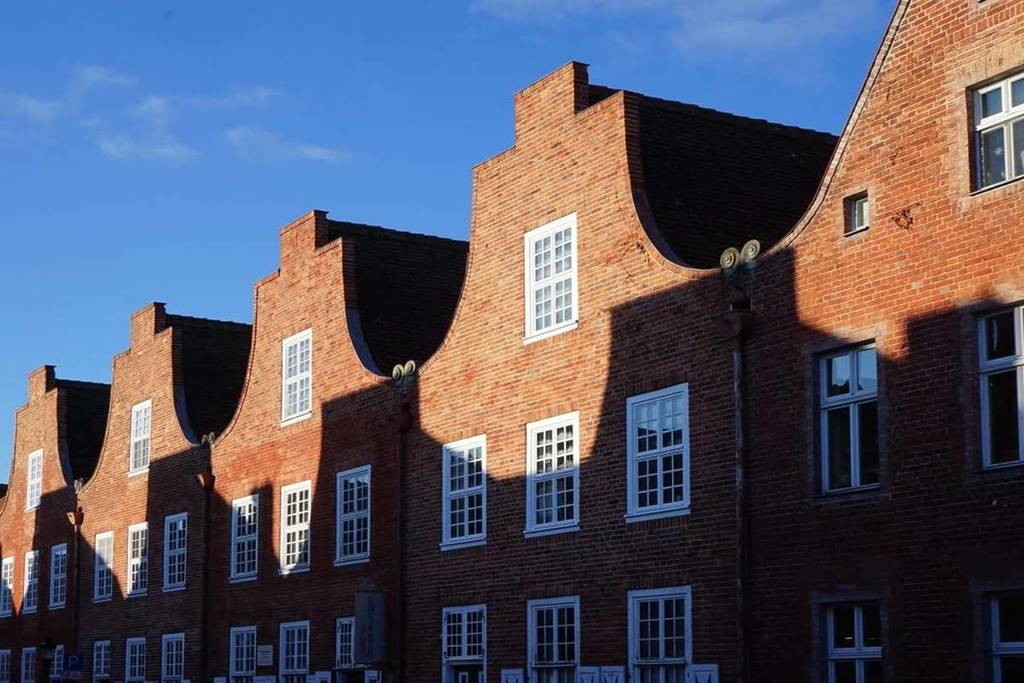
The Dutch Quarter feels especially lively in spring and summer. That’s when the outdoor terraces fill up , flowers adorn the facades, and the narrow alleys take on an almost Mediterranean flair. Many compare the atmosphere to Amsterdam or smaller Dutch old towns.
The neighborhood is also closely tied to Potsdam’s creative scene . Art markets, street festivals, design markets, and cultural events take place there regularly. The annual Tulip Festival, where the neighborhood celebrates its Dutch roots, is particularly well-known. Music, flower stands, traditional costumes, and Dutch specialties transform the streets into something almost like a mini Amsterdam festival.
The Dutch Quarter is also one of Brandenburg’s most popular spots for photography. The symmetrical brick facades, small windows, and warm light make the area particularly photogenic and almost timeless. Especially in the early morning or just before sunset, a quiet and nostalgic atmosphere takes hold there.