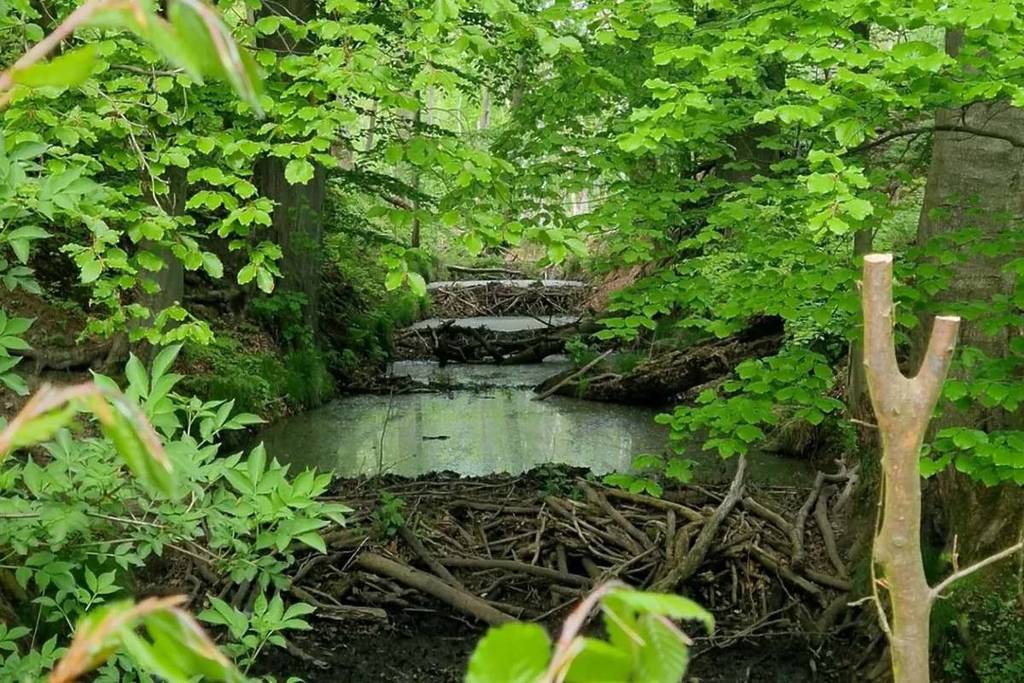

Berlin means life, variety, and countless opportunities for leisure activities—but where can you find peace and quiet? Often, just a short trip out of the city is enough to take a deep breath amidst impressive nature. There’s plenty of that in the Berlin area: from the enchanting world’s largest rose collection to nearly untouched wilderness landscapes. You decide what you’re in the mood for. Hidden within one of Germany’s largest protected areas is not only an exceptionally species-rich wildlife park but also Brandenburg’s oldest nature reserve. We’re talking about the Plagefenn —a moorland area in the UNESCO Schorfheide-Chorin Biosphere Reserve, which ranks among the state’s most ecologically valuable landscapes.
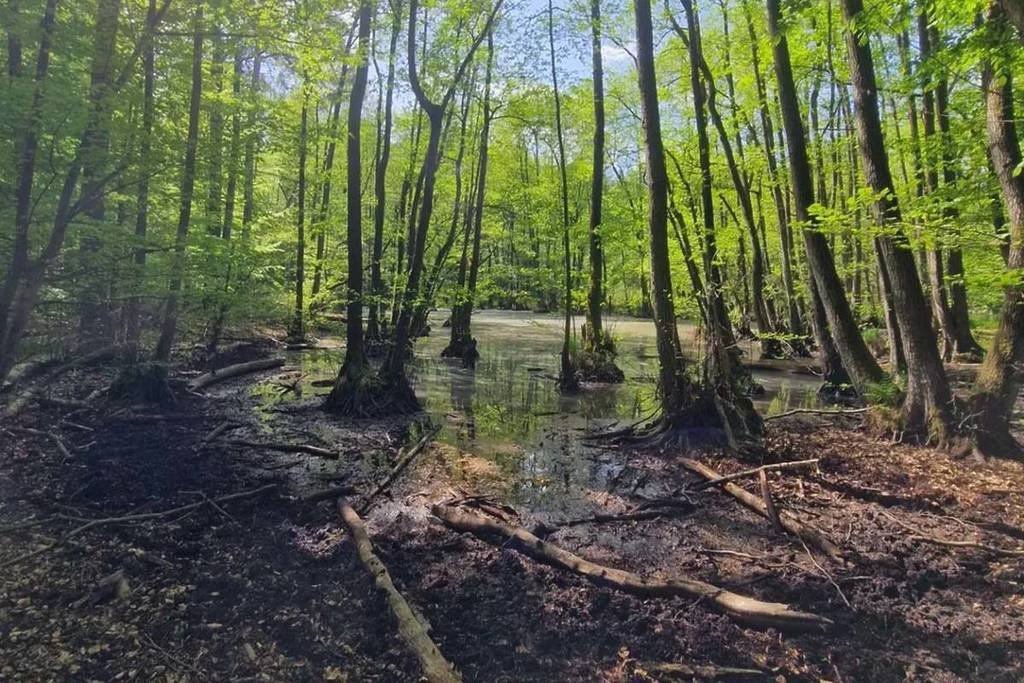
The protected area encompasses moors, wetlands, lakes, forests, and numerous rare habitats that provide a refuge for many endangered animal and plant species. The name dates back to the medieval settlement “Plawe.” In Old Polabian, “Plaw” means something like marshy terrain or moor.
The area gained special significance as early as 1907, when it was placed under protection on the initiative of forest ranger Max Kienitz. This makes the Plagefenn the oldest nature reserve in Brandenburg and one of the oldest protected areas in northern Germany. The original protected area covered 177 hectares. Today, the nature reserve spans approximately 1,054 hectares, while the strictly protected core reserve covers about 290 hectares. Furthermore, the Plagefenn is part of the Schorfheide-Chorin Biosphere Reserve, which extends over more than 129,000 hectares.
Its current landscape was formed during the last Ice Age as a glacial tongue basin. It is characterized by extensive moorlands, siltation zones, wet forests, and the two Plage lakes. Many areas have been deliberately left to their own devices so that natural processes can proceed with as little disturbance as possible. This is precisely what makes the Plagefenn so extraordinary: unlike in many parks, nature here is not shaped or maintained, but is allowed to develop largely without human intervention.
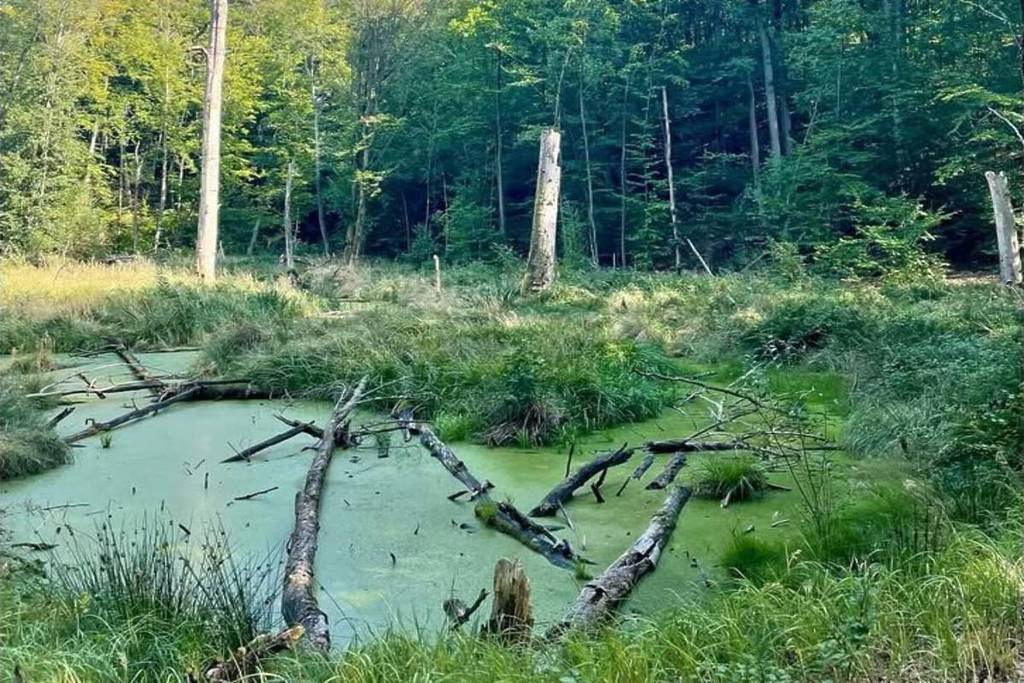
Visitors are not permitted to freely enter the strictly protected core zone. This protection has played a crucial role in ensuring that the landscape has retained its original character to this day. Instead, designated hiking and biking trails run along the edges of the reserve, offering glimpses of the unique moorland landscape. Here, you can observe mysterious moorland areas, small forest lakes, old pine and deciduous forests, as well as numerous bird species. The largely untouched nature gives the area a special atmosphere that is rarely found in Brandenburg anymore.