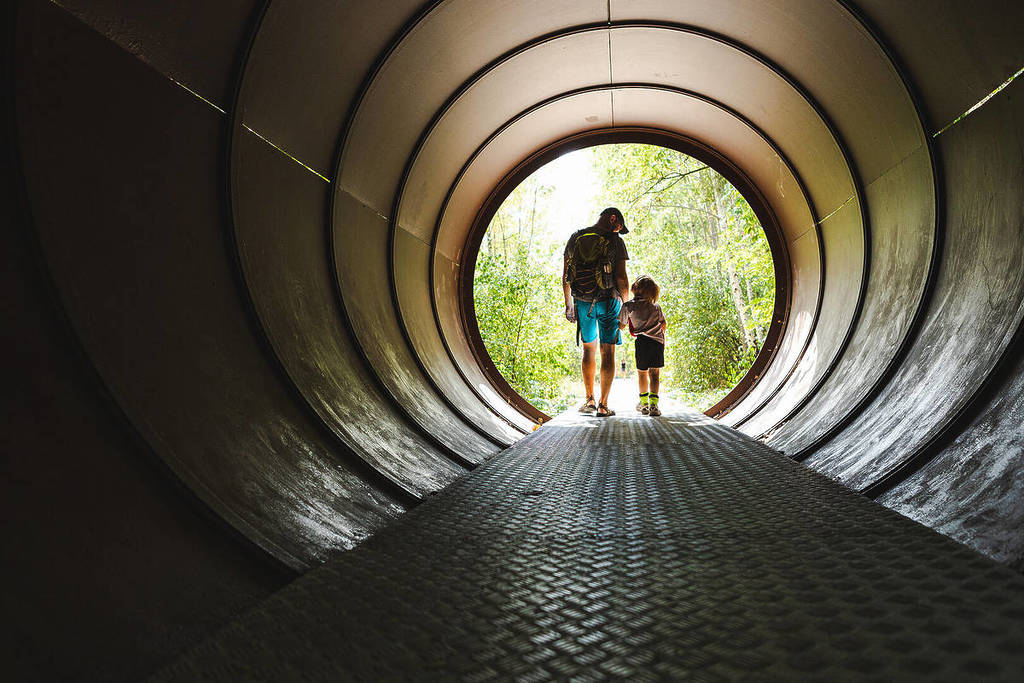

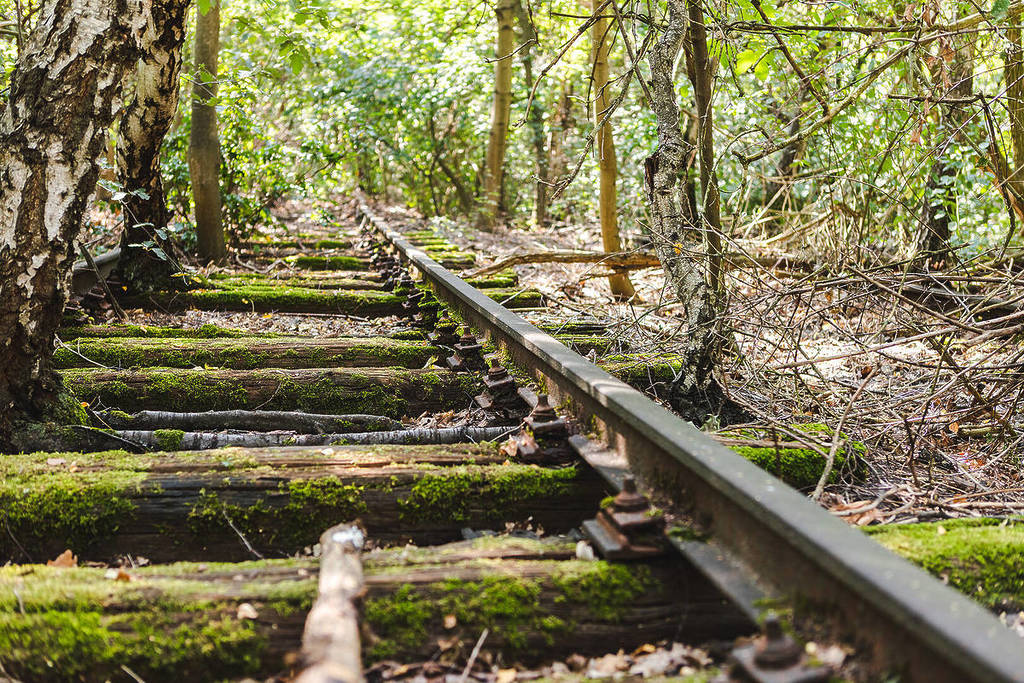
In the heart of Berlin, nature, art, and the history of technology coexist in one place. We’re talking, of course, about the Natur-Park Südgelände in Schöneberg. On the grounds of the former Tempelhof marshalling yard, a “primeval forest” has emerged in the middle of the city after decades of neglect. Where steam locomotives once shunted , rare plants and trees now grow among rusted tracks. If you’re looking for a break from the hustle and bustle of the city, this is the perfect spot.
A natural oasis in the heart of the city
The history of Natur-Park Südgelände is closely linked to Berlin’s rapid growth in the 19th and 20th centuries. The marshalling yard, which opened in 1889, was once a vital lifeline for the city. However, following World War II and the division of Berlin, it was shut down in 1952.
For over 50 years, the site was left to its own devices. During this time, an ecological niche developed, home to over 350 plant species and numerous protected animals. It wasn’t until the late 1990s that the area was slowly but surely opened to the public. The entire renovation cost nearly 1.6 million euros.
Care was taken to preserve the wild vegetation and the last remnants of the railway era as a memorial and natural space. Today, the park, along with the Britzer Garten and the Gärten der Welt, isone of the three “major” parks owned by the state-run Grün Berlin Park und Garten GmbH. Outside of Berlin, the park gained fame through Expo 2000.
A stroll through industrial history
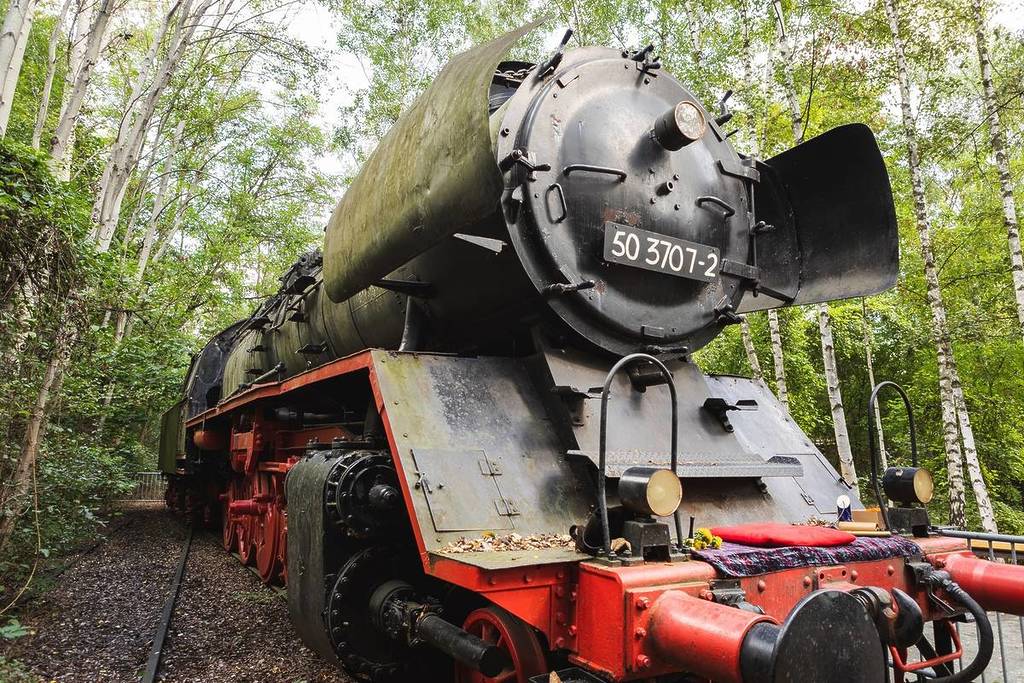
Today, you can experience the entire industrial history, so to speak, on a walk through the Natur-Park Südgelände. You’ll stroll along a 2.7-kilometer-long steel grid walkway that hovers above the sensitive ground, past a majestic Class 50 steam locomotive and a massive historic turntable.
A landmark is the 50-meter-high steel-framed water tower, visible from afar. Art installations by the Odious group are also scattered throughout the entire site. And there’s plenty to discover for animal and plant lovers, too: you’ll find 366 different species of ferns and flowering plants, 49 species of large mushrooms, 49 bird species, 14 species of grasshoppers and crickets, 57 spider species, and 95 bee species.
You also shouldn’t miss the events in the park: from guided tours and activities for children to yoga classes, there’s something for everyone here. Check out the park’s current calendar!