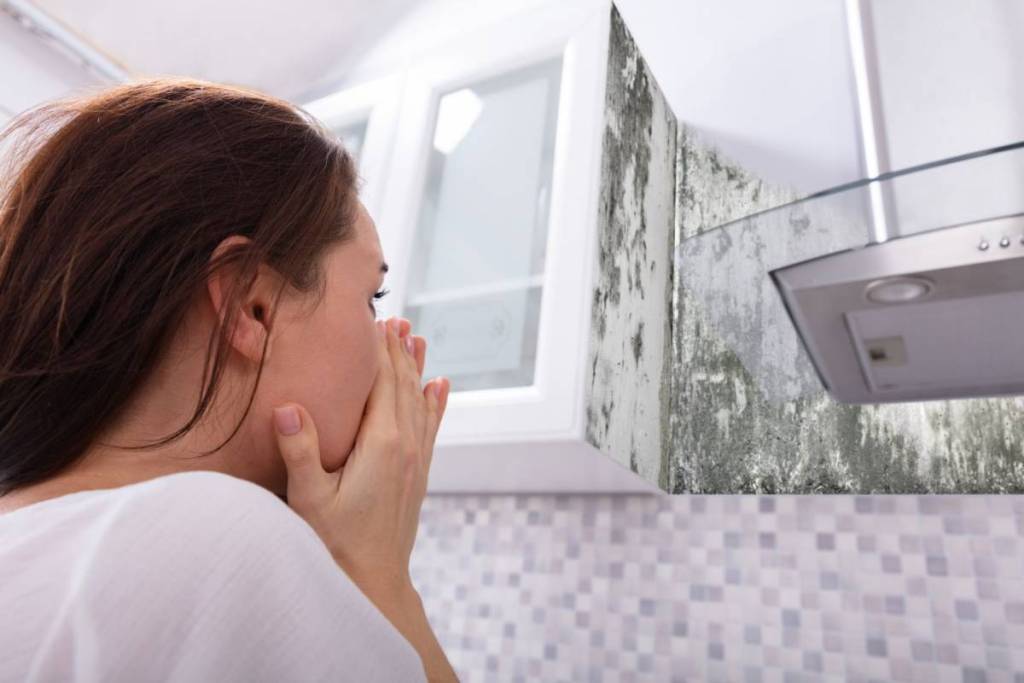

Fall is here, the heaters are turning on—and with that, mold season begins in many Berlin apartments. Older buildings with poorly insulated exterior walls are particularly affected. But mold can also creep into renovated buildings with airtight windows…
The cause is usually simple: Warm indoor air absorbs a lot of water vapor, which condenses on cold surfaces. That’s exactly where mold thrives.
Mold in Older Buildings: Understanding and Combating the Causes
Proper Ventilation
The most important factor is ventilation habits. Windows should be opened fully for 5–10 minutes several times a day, preferably windows on opposite sides of the room, to create a draft. (Windows left permanently tilted only cool the walls without replacing the humid air.)
It’s especially important to ventilate after showering, cooking, and drying laundry. If you hang your laundry indoors, you can easily release several liters of water into the indoor air.
Heating Properly
Even rooms that are rarely used should not cool down completely. As a rule of thumb, maintain a temperature of at least 16–18 degrees; in living areas, slightly higher. It’s best to keep doors to cooler rooms closed; otherwise, warm, humid air will flow in and condense on the cold walls. Furniture placed against exterior walls should be kept 5–10 cm away to allow air to circulate.
Measure Instead of Guessing
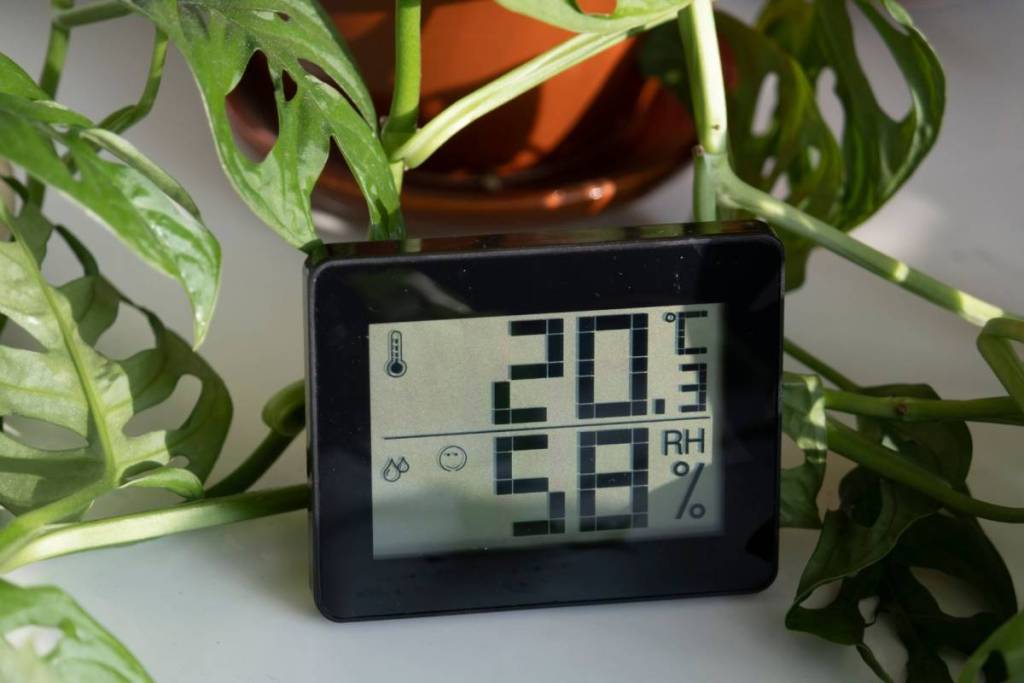
You can buy a hygrometer for just a few euros. The ideal humidity level is 40–60%. If the readings are consistently higher than that, it’s time to take action—ventilate more often, turn up the heat slightly, and reduce sources of moisture.
If mold is already present
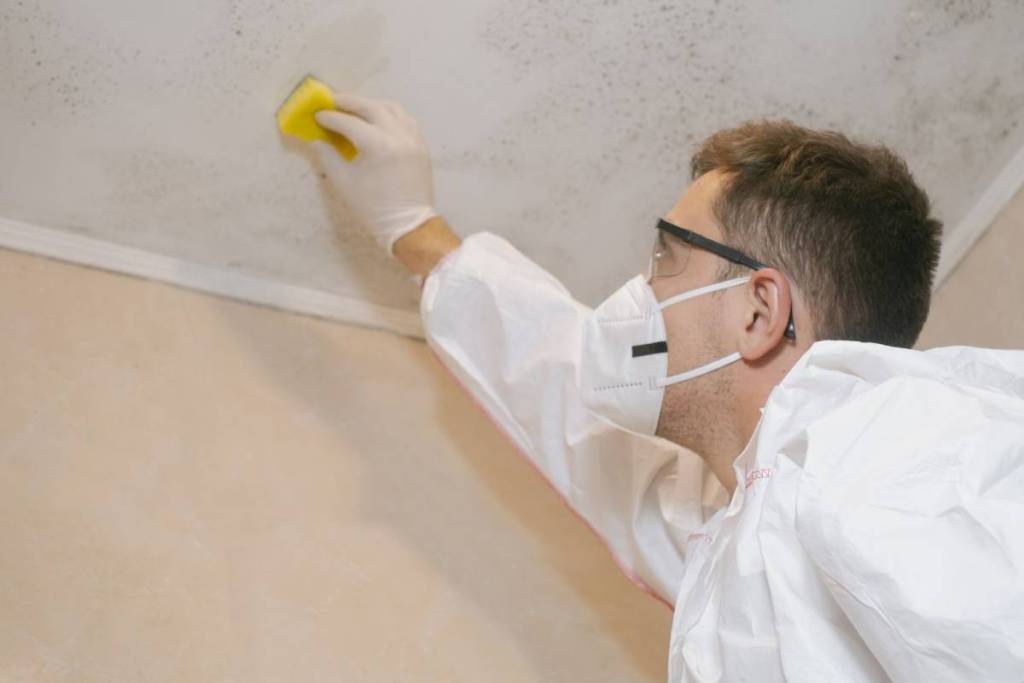
Small areas (up to about 20×20 cm) can be removed on your own. It’s best to use disposable gloves, an FFP2 mask, and a cloth soaked in 70-percent alcohol. Chlorine-based cleaners and mold sprays are unnecessary and often harmful.
Dispose of the cloth immediately afterward and ventilate the room thoroughly. For larger affected areas, recurring infestations, or a musty odor with no visible cause, a professional service should be called in, as structural damage may be the underlying issue.
When is the landlord liable to pay for mold damage?
If the cause lies not in living habits but in leaky pipes, thermal bridges, or inadequate insulation, the landlord is responsible. Tenants should report the damage in writing and document it with photos. Anyone unsure about the legal situation can seek advice from Berlin’s tenant associations.