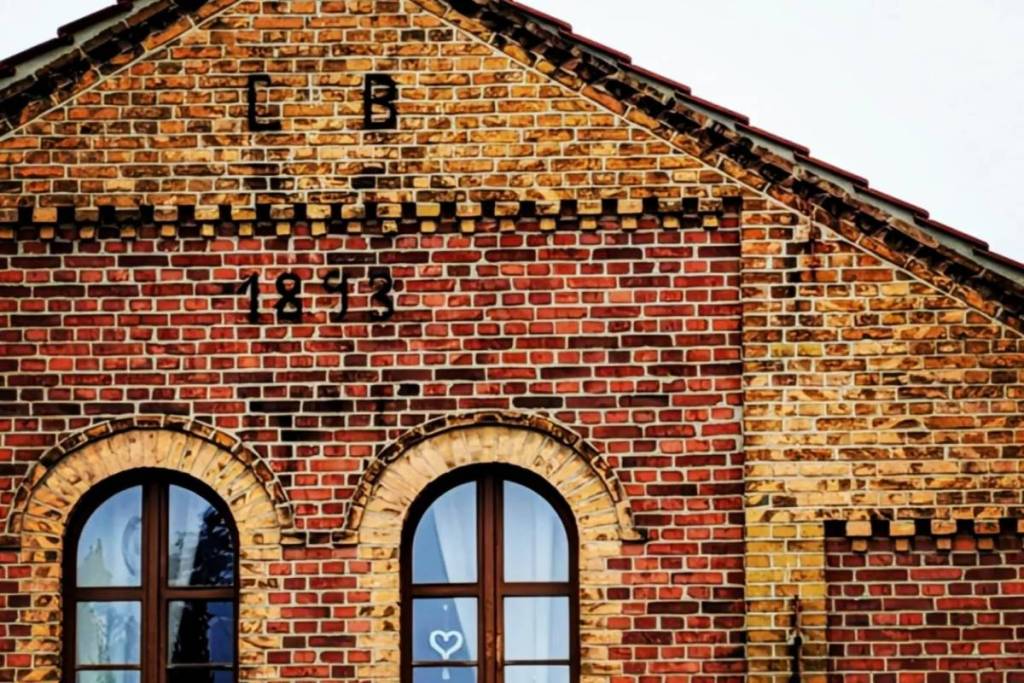

Once Berlin’s most opulent city palace, today there’s no trace of it left. Once a magnificent Stalinist boulevard, today one of the capital’s most famous streets. Where imposing architectural icons once shaped the cityscape, entirely new buildings and squares have now sprung up in some places. Over the centuries, Berlin has reinvented itself time and again, and much of what was once part of everyday life has long since disappeared. But it’s not just in the center of the capital that time has left its mark. Residential neighborhoods have also undergone fundamental changes: small farming villages have become modern districts, and rural idylls have turned into vibrant residential areas. Karow is one of those Berlin neighborhoods where the past and present converge in a particularly striking way, allowing visitors to trace the capital’s development right up to the present day.
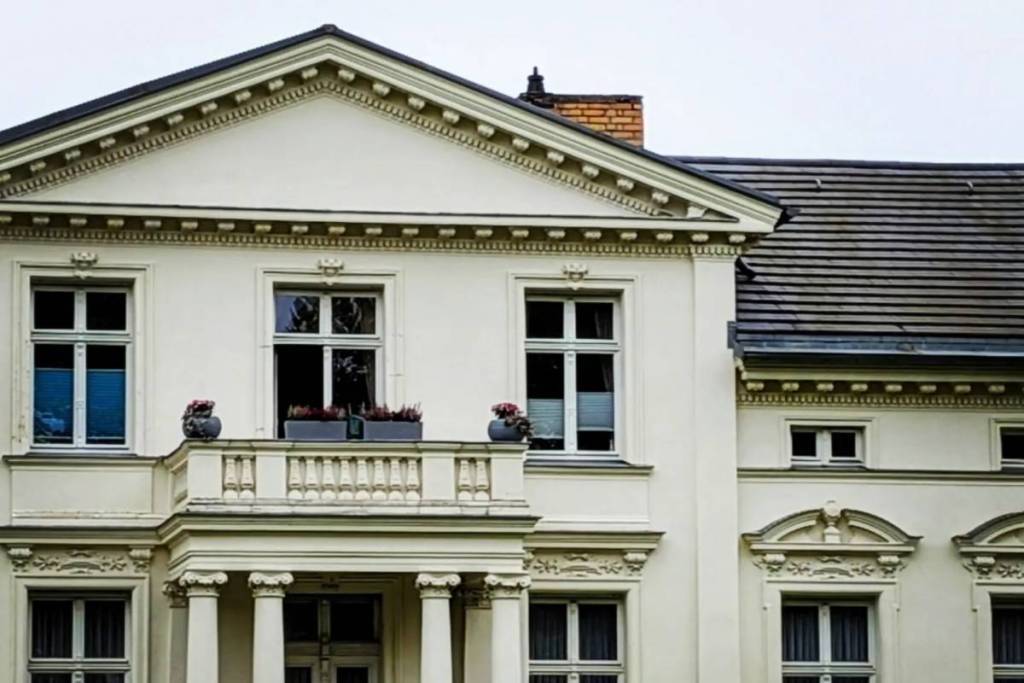
Where centuries ago farmers tilled their fields and village life was shaped by agriculture, modern residential developments now stretch out. Yet despite these changes, this neighborhood in northeastern Berlin has retained a remarkable part of its original identity. Historic farms, a village church dating back some 800 years, and expansive natural landscapes still serve as reminders of the time when Karow was a small village just outside the capital. Its development also tells a fascinating chapter in Berlin’s urban history.
The history of Karow dates back to the early 13th century. A village church was built here as early as 1220 to 1230, suggesting that the settlement already existed at that time. In 1375, the village was mentioned in Emperor Charles IV’s land register under the name “Kare.” The historical name is linked to the noble family von Kare, who owned the village for several centuries. Originally, Karow was a typical Markish linear village, where life revolved around a central village street. Farms lined this street, while gardens, meadows, and farmland stretched out behind them. The people lived primarily from agriculture and livestock farming. In addition to larger farms, there were smaller holdings belonging to so-called “Kossäten,” who owned only a small amount of land. A look back at the year 1705 illustrates just how small the village community was at that time: Among others, ten smallholders, seven Kossäten, a blacksmith, and a shepherd lived here.
One of the most significant remnants of this early past is the Karow village church, whose origins date back to the first half of the 13th century. It is one of the oldest surviving village churches in Berlin and continues to shape the historic village center to this day. Its west tower, however, was not built until between 1845 and 1847. The adjacent churchyard also traces its origins back to the Middle Ages. Today, both the church and the churchyard are designated historic landmarks.
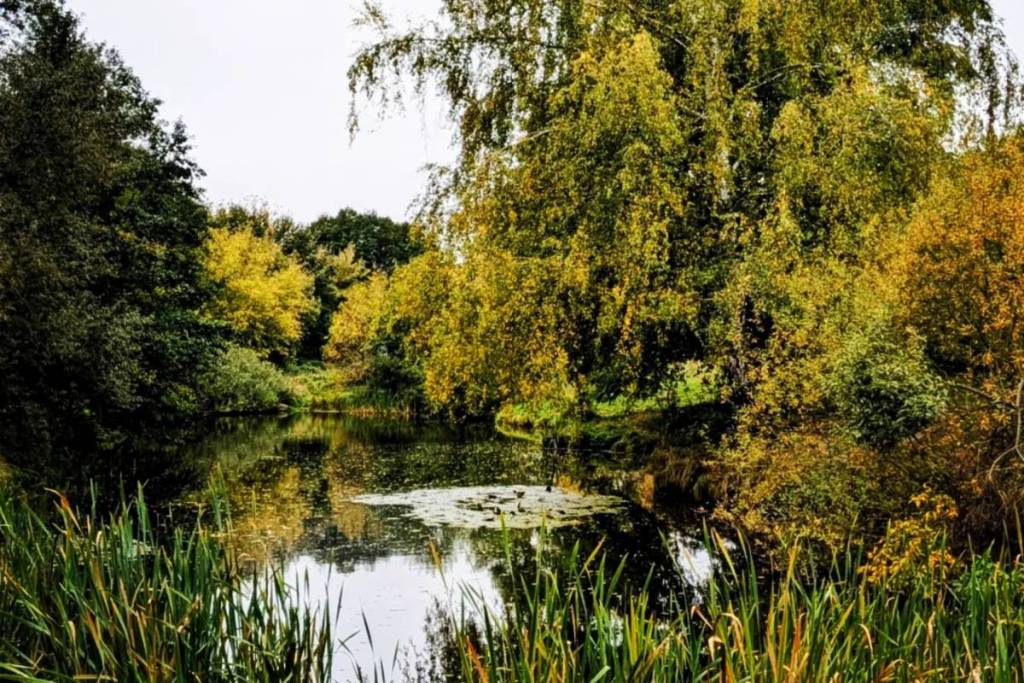
For centuries, Karow remained a relatively isolated village. It was not until the opening of the train station on November 15, 1882, that the lives of the residents began to change gradually. The new rail connection via the Stettin Railway provided significantly better access to Berlin and Bernau. In the decades that followed, the first new residential buildings and neighborhoods sprang up west of the historic village center.
Despite this development, Karow retained its rural character for a long time. As late as 1908, the town had neither a central water supply nor electricity or sewer systems. The population was also modest: in 1919, only about 950 people lived here. A decisive turning point came on October 1, 1920. With the establishment of Greater Berlin, the previously independent Brandenburg rural community was incorporated into the capital and assigned to the Pankow district. In the 1920s and 1930s, additional residential developments with small houses and gardens sprang up, primarily around the train station. Nevertheless, agriculture remained an important part of local life well into the 20th century.