
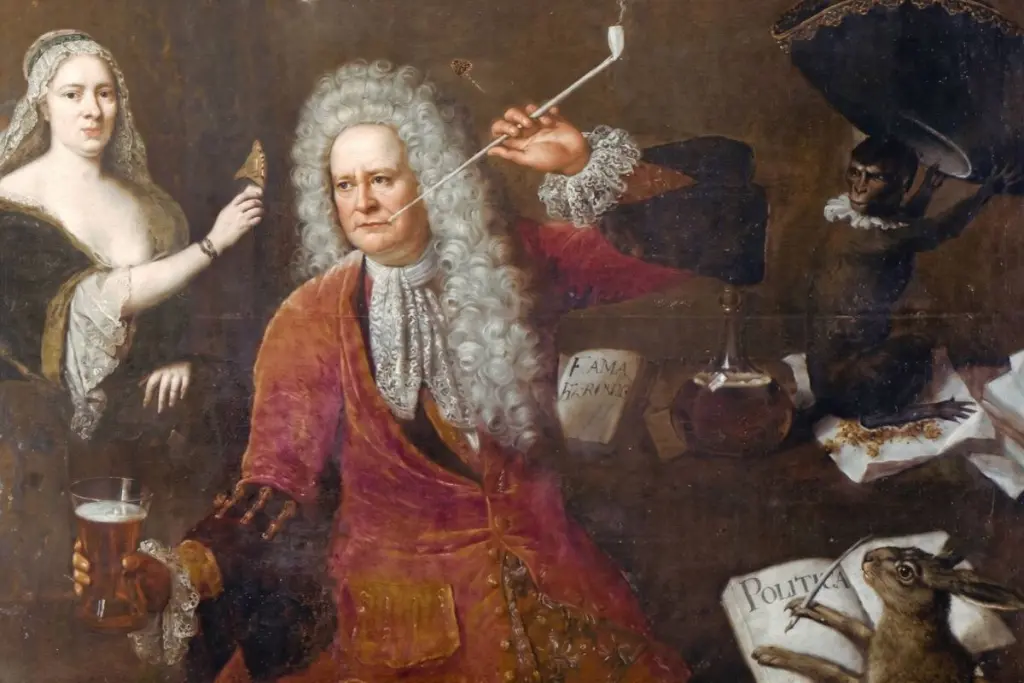

When the scholar Jacob Paul Gundling was appointed to Berlin in 1705 at the age of 32, his career seemed perfect. Under King Frederick I, he was granted a professorship at the Academy of Knighthood and rose to the position of court historiographer. But then the old king died…
His successor, Frederick William I, the “Soldier King,” had no time for expenditures that did not benefit the army or the state treasury—including the Academy of Knighthood and the Office of the Chief Herald. Suddenly, Gundling found himself without a position or a salary.
Recommended Articles
 Christmas Markets Canceled in 2026: Berlin Also Affected—These 6 Markets Are Canceled
 The 2025 utility bill must be in the mailbox by December 31: After that, landlords in Berlin can no longer demand additional payments
In his desperation, he wandered through Berlin’s taverns and, while drunk, recited entire family lineages from memory. That is how the new king took notice of him.
A Scholar as a Court Jester: The Tragic Story of Jacob Paul von Gundling
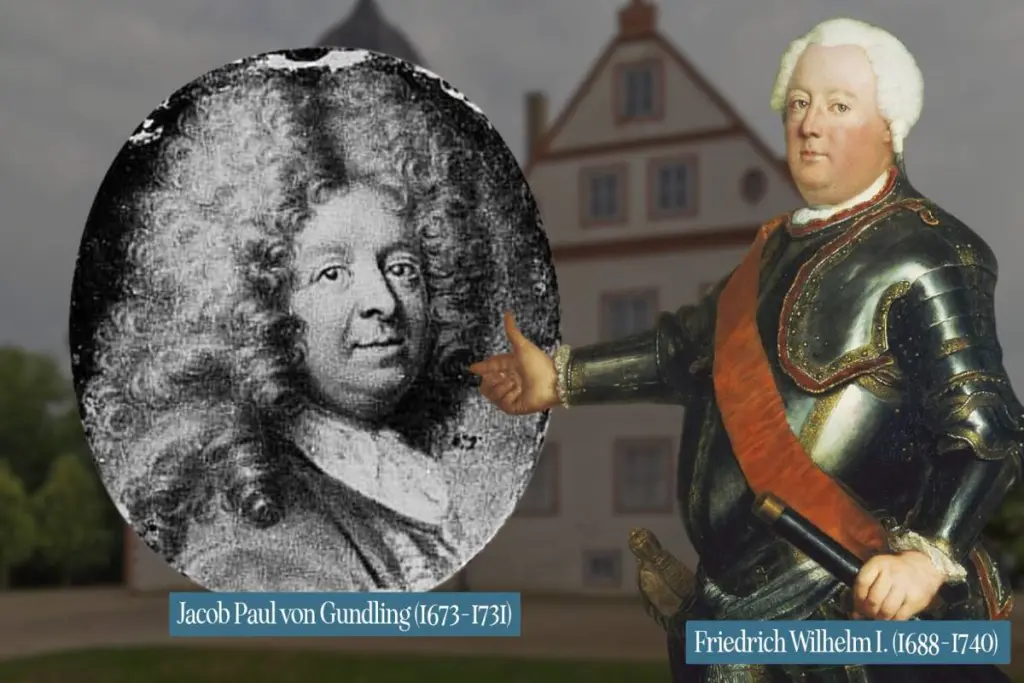
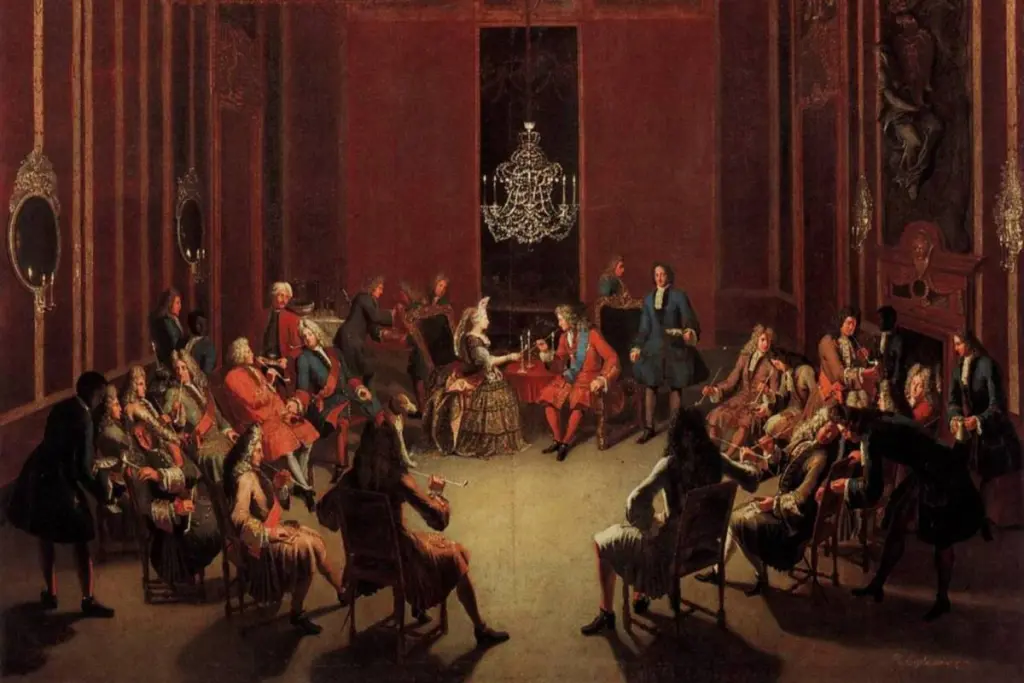
In addition to appointing him president of the Royal Prussian Society of Sciences (previously led by Leibniz) and conferring the title of baron upon him, the king made Gundling a court councilor and press officer in the Tobacco Board. Here, the king, officers, and ministers gathered over pipe tobacco, beer, and coarse jokes.
What was considered a joke at the Tobacco Council in the royal hunting lodge at Königs Wusterhausen was anything but: The king despised Baroque scholarship and systematically exploited Gundling’s vanity, his thirst for titles, and his alcoholism.
They got him drunk and provoked him into a rage. They locked young bears in his dark bedroom. They bricked up his door. They set off fireworks in his chamber. They placed a monkey dressed as his double by his side. In winter, they even made him fall through the ice of the castle moat and laughed as Gundling begged for help.
Escape and End
Broken and alone, Gundling fled to his brother in Halle in 1716. But the king had a warrant issued for his arrest as a deserter and forced him back to court. Later, Gundling also tried unsuccessfully to flee toward Silesia.
Due to the ongoing humiliations, Gundling developed a stomach ulcer, the pain of which he numbed with alcohol. Severely ravaged by alcoholism and dropsy, Gundling died on April 11, 1731, at the age of 57 in Potsdam. But the king had even made provisions for this: Years earlier, he had had a wine barrel made, marked with a cross and mocking rhymes.
The deceased was to be buried there. The clergy of Potsdam refused to participate in this mockery of a Christian funeral. So Gundling’s rival, David Faßmann (who had once burned him with a pan of glowing coals), delivered a mocking eulogy.
A historical case of the perpetrator-victim reversal
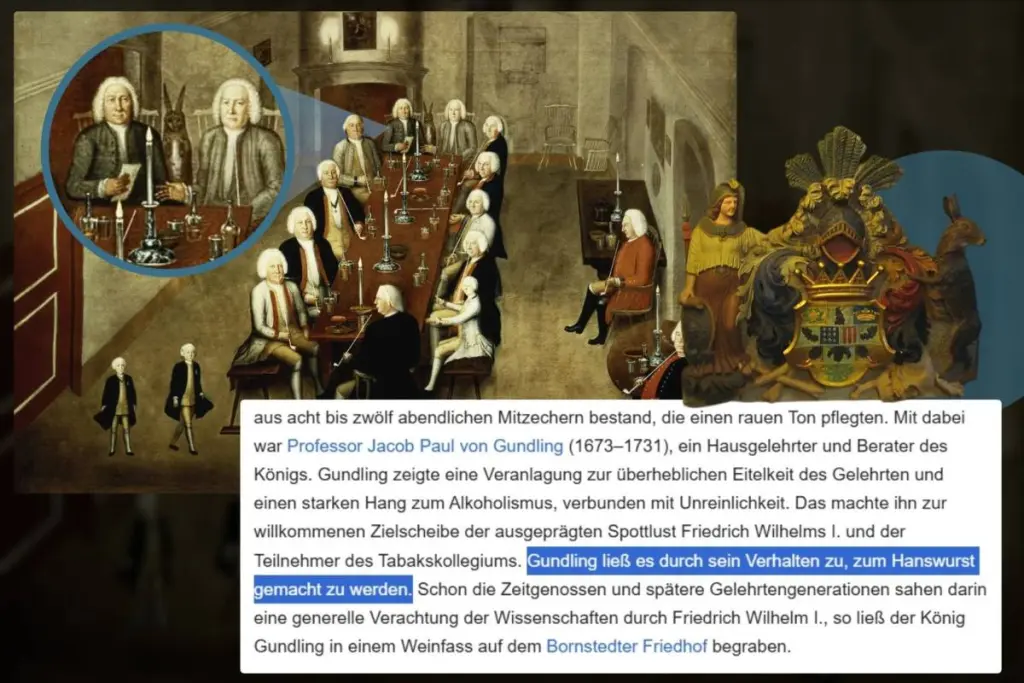
Even after his death, Gundling could not escape ridicule. On his memorial in the Bornstedt Church, alongside the family coat of arms and Minerva, the symbol of wisdom, stands a hare, the symbol of timidity. In the painting of the Tobacco College shown above, Gundling is also depicted posthumously as a hare at the head of the table.
Even the Wikipedia article on Frederick William I blames Gundling for his misfortune (see highlighted text). The article adopts the image of Gundling painted by historians: vanity, a thirst for titles, and alcoholism were seen by them as proof that he had brought his fate upon himself.
Bullying arises where power is unevenly distributed: Those who have more of it can humiliate the weaker with impunity, and bystanders laugh along, out of fear or opportunism. The victim is dependent and can hardly defend themselves. It is all the worse when even historians fail to recognize that they are part of it. It’s time to put an end to the reversal of perpetrator and victim roles!
