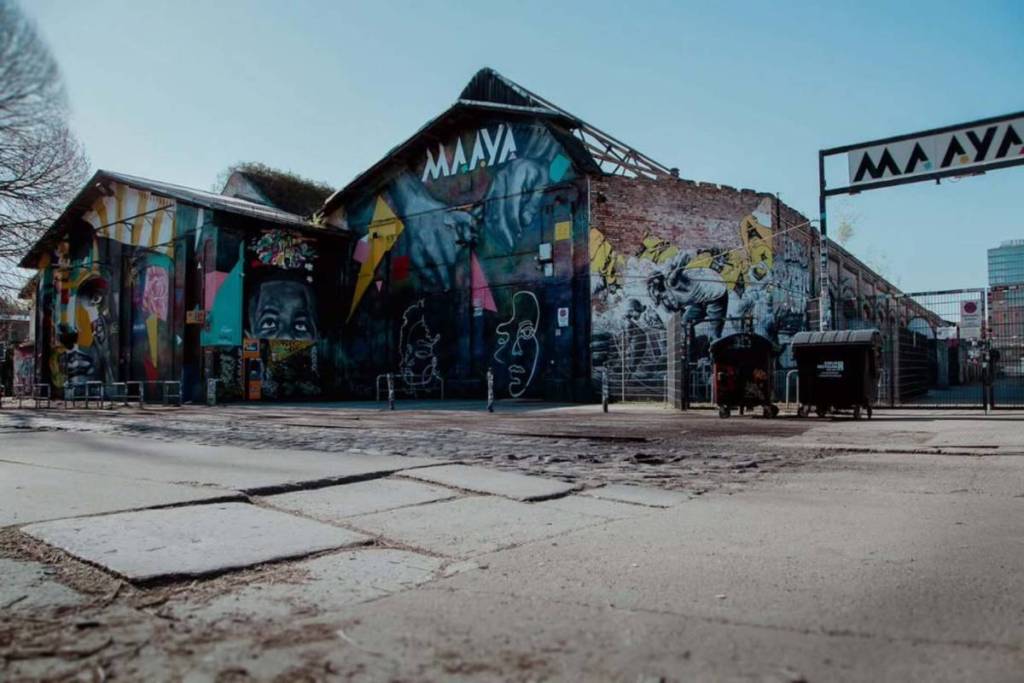

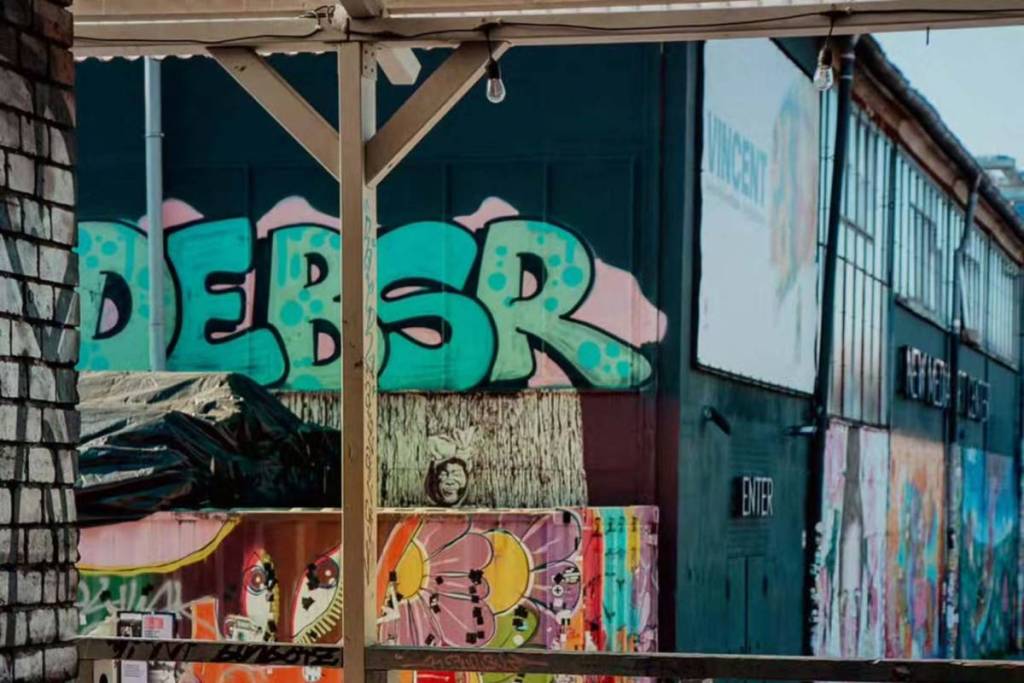
Our favorite places aren’t always the city’s newest hotspots, but often those that have been part of our lives for years and feel like a second home. From cozy cafés to favorite restaurants to the clubs you know inside and out. For many Berliners, the RAW complex is also such a place. With its unique mix of clubs, studios, cultural, and recreational facilities, it is considered one of the capital’s best-known alternative cultural venues . Cassiopeia, in particular—one of the defining clubs on the grounds—has been drawing large crowds week after week for years. But now fans are worried about the future of the site: individual clubs and cultural institutions in the western part of the grounds, especially the so-called “Soziokulturelles L” (SKL), are facing eviction by the end of June 2026.
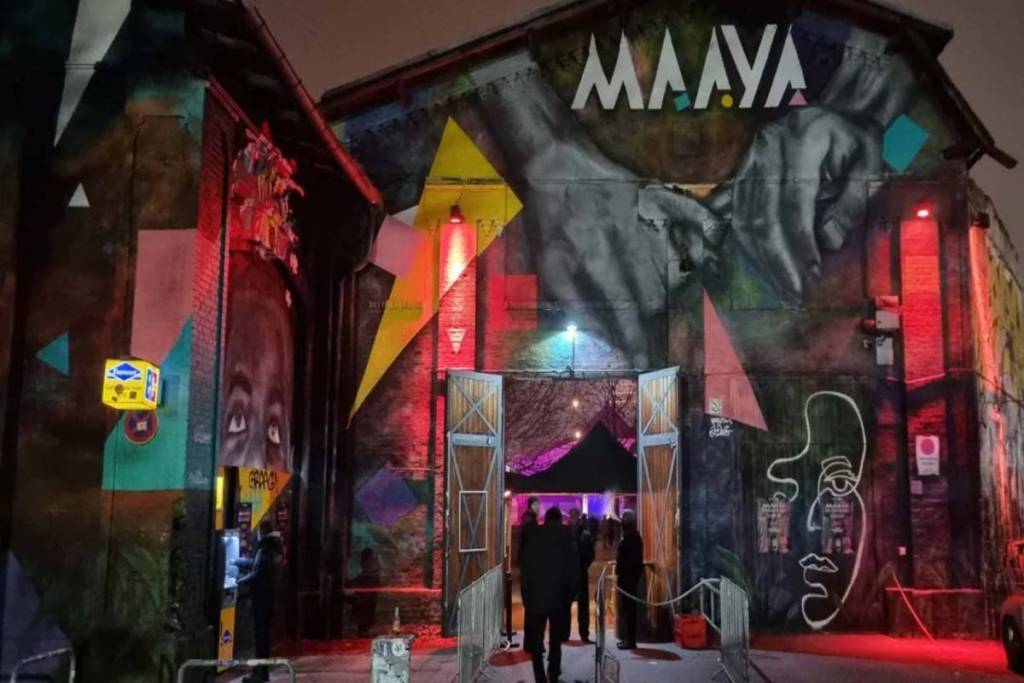
The RAW complex in Friedrichshain, a former Reichsbahn repair yard, has developed over the past decades into an international symbol of Berlin’s subculture. The complex is considered one of the capital’s last major alternative open spaces. The current escalation began after the owner of the western part of the site, Kurth Immobilien GmbH, declared the “RAW West” zoning plan process—which had been underway for more than ten years— a failure and sent eviction notices to several users . The original aim of the process was to enable new construction projects— including some residential development—while at the same time permanently securing the existing cultural and club uses.
The Kurth Group has been pursuing plans to redevelop parts of the site for years. The plans include new residential buildings, commercial spaces, offices, and, in some cases, taller new structures —including an office tower. The investor argues that the site’s infrastructure is in need of renovation, that negotiations have already dragged on for too long, and that earlier agreements with the State of Berlin have been altered.
The situation is particularly acute for Cassiopeia. The club, which has been in operation since 2005, is one of Berlin’s best-known alternative venues. According to the operators, an eviction at the end of June would lead to immediate bankruptcy , jeopardize jobs, and adversely affect numerous other projects on the grounds.
Adding to the frustration is the fact that, according to the Berlin Senate and the district, a finalized framework agreement was already on the table. This would have provided the Kurth Group with economic advantages and, in some cases, faster approval procedures, while simultaneously guaranteeing the long-term preservation of the sociocultural center L. Politicians therefore reacted with great bewilderment to the sudden breakdown of negotiations.
The Kurth Group, however, rejects this account. In its view, the district canceled appointments on short notice, altered previous agreements, and failed to honor important commitments. From the investor’s perspective, therefore, it was no longer possible to bring the proceedings to a legally secure conclusion. As a result, there are currently two completely different versions of the events.
Meanwhile, politicians continue to try to defuse the situation. Further talks with the owner are planned , as well as a special session to save the cultural spaces and the facilities threatened with eviction . At the same time, demonstrations in support of preserving the RAW complex have already taken place , with around 1,000 people participating.