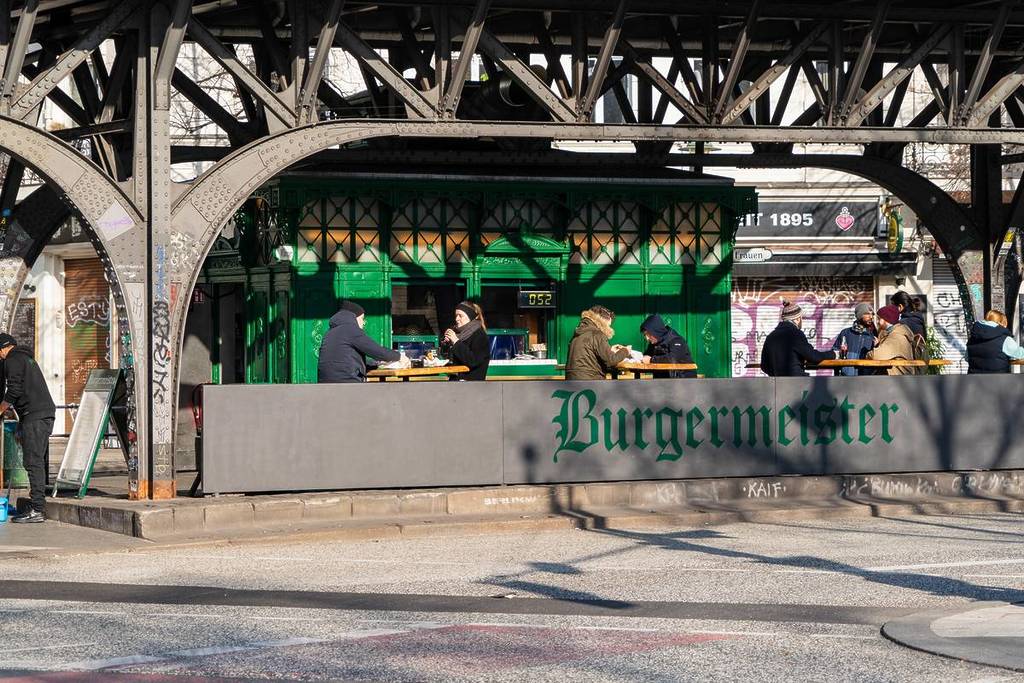

Anyone standing at Berlin’s Schlesisches Tor subway station beneath the elevated U1 line looks up at a small, octagonal building made of green cast iron. What is now a pilgrimage site for foodies from all over the world was, for decades, a functional utility building operated by Berlin’s municipal sanitation department. For the past 20 years, the Burgermeister has been located in a historic restroom building dating from around 1900.
A rocky road through bureaucracy
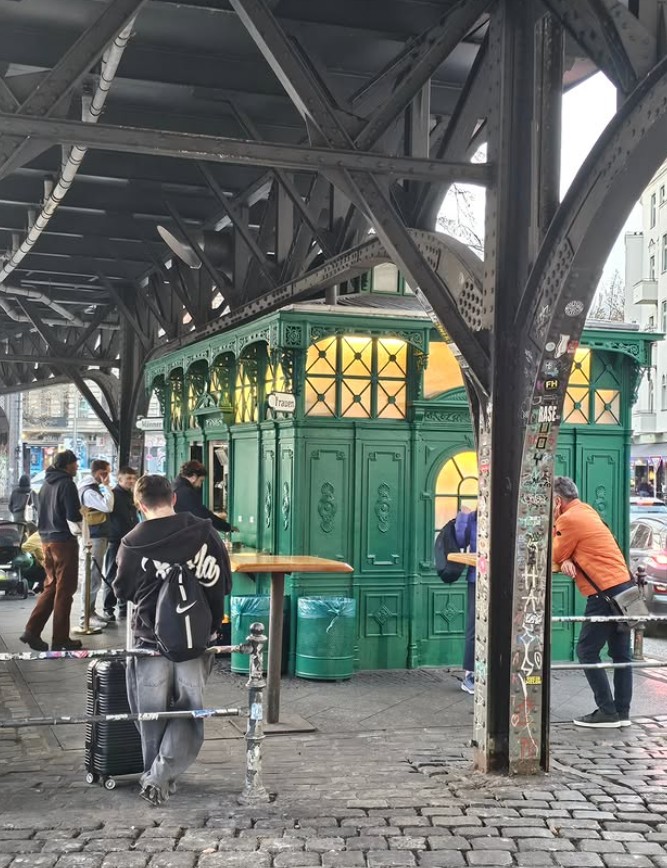
The story of Burgermeister began with a vision from founder Cebrail Karabelli. In the early 2000s, he saw the vacant, dilapidated little house and recognized the potential of this unusual location. But transforming it from a former public restroom into a restaurant was a bureaucratic feat that has since become almost legendary.
The process of obtaining the necessary permits took a total of five years. The operators had to navigate a jungle of historic preservation requirements, strict hygiene regulations for food service in a confined space, and building code hurdles. They had to prove that it was possible to produce burgers safely and hygienically in a former restroom building exposed to the elements beneath the subway tracks. In 2006, the time had finally come. Burgermeister at Schlesisches Tor opened and permanently transformed Berlin’s fast-food culture.
From an insider tip to nationwide expansion
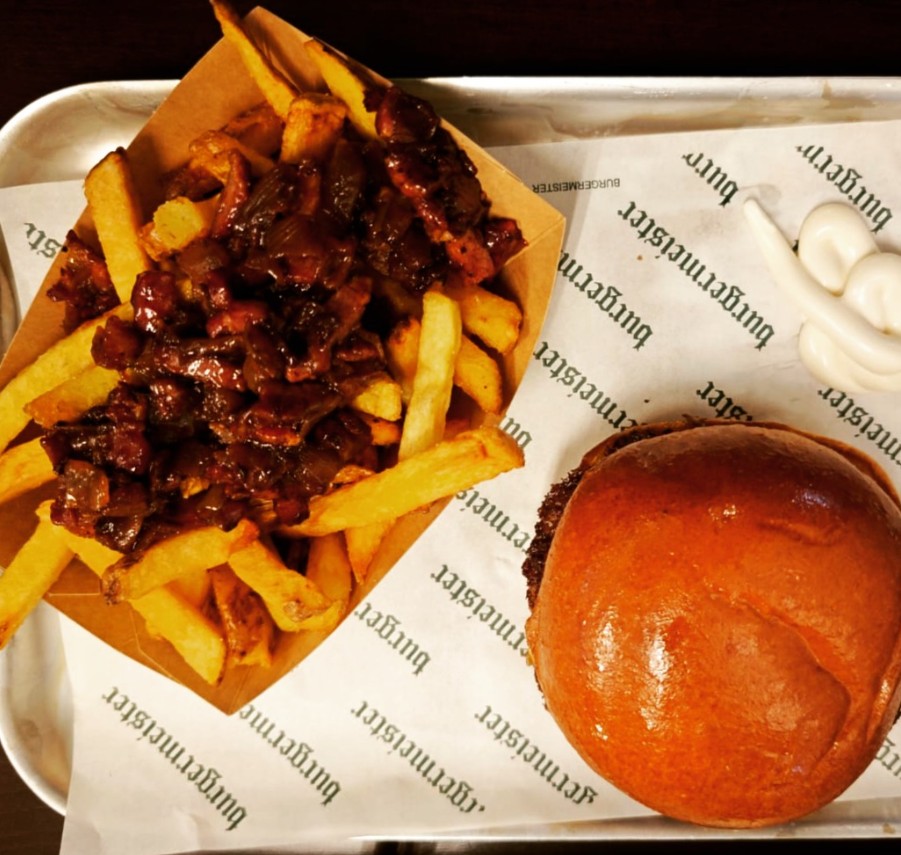
Word quickly spread about the combination of Kreuzberg’s rugged charm, the unusual location, and—above all—the high quality of the burgers. Long lines became a trademark of “Schlesi.” The focus on fresh meat, homemade sauces, and the iconic branding made the shop famous far beyond the city limits.
Today, some 20 years after the initial idea, the picture has changed. What began as a bold solo project in a Kreuzberg restroom booth has evolved into a serious player in the German restaurant market. Burgermeister is no longer just a local phenomenon. The company is now expanding with numerous locations throughout Germany. Whether in other Berlin districts or in major cities like Hamburg, Cologne, or Frankfurt—the “Meister” concept proves that quality and a strong founding story work even outside the Kreuzberg neighborhood’s microcosm.
From a derided “toilet burger” to a national chain—the story of Burgermeister remains one of the most impressive examples of Berlin entrepreneurship.