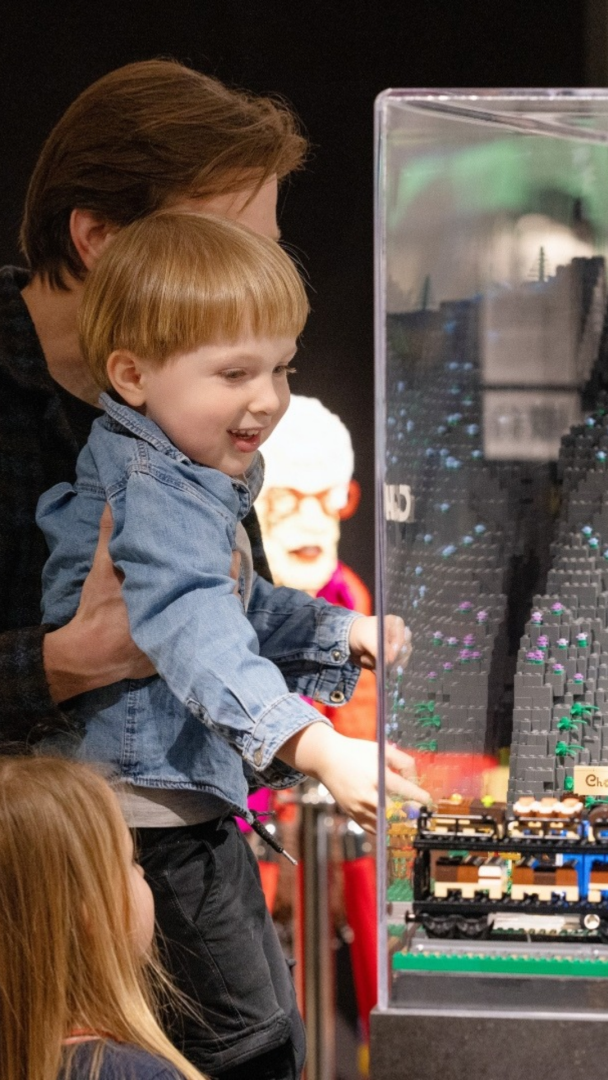

The Baruther Glashütte museum village in southern Brandenburg is one of the few places where time seems to have stood still for the past 150 years. The historic ensemble of yellow brick houses lies in the forests of the Baruther glacial valley and forms a self-contained village that once developed around glass production. Unlike traditional museums , the glassworks is now a place where traditional craftsmanship, modern design, and village life come together. In 2023, the glassworks was even designated a UNESCO World Heritage Site!
A 300-year-old village
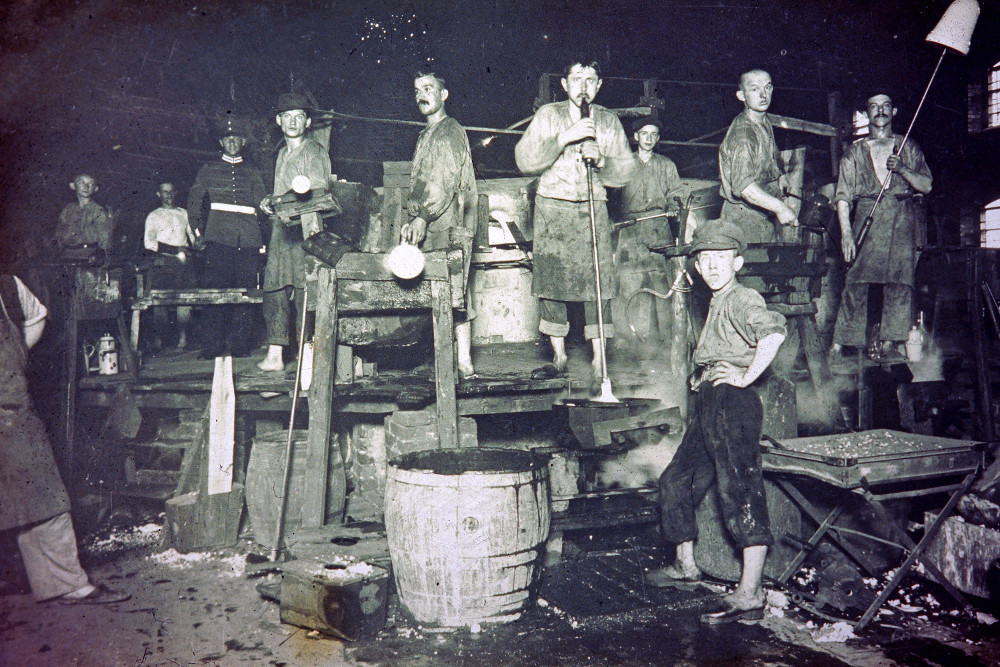
The village’s history began in 1716 with the construction of the first glassworks. For over two centuries, this place was a center of glass production, as the name suggests. The Baruth Glassworks was particularly famous for producing lampshades for kerosene lamps, which were exported from here all over the world .
As success grew, more and more workers’ houses, a school, a bakery, and an inn sprang up around the factory. Today, these buildings are well worth seeing, as they were all constructed from the region’s characteristic bricks. When industrial production ceased in 1980 , the village faced the threat of decay. However, thanks to the dedication of artisans and preservationists, it was brought back to life in the 1990s as a “museum village.”
Visiting the glassworks
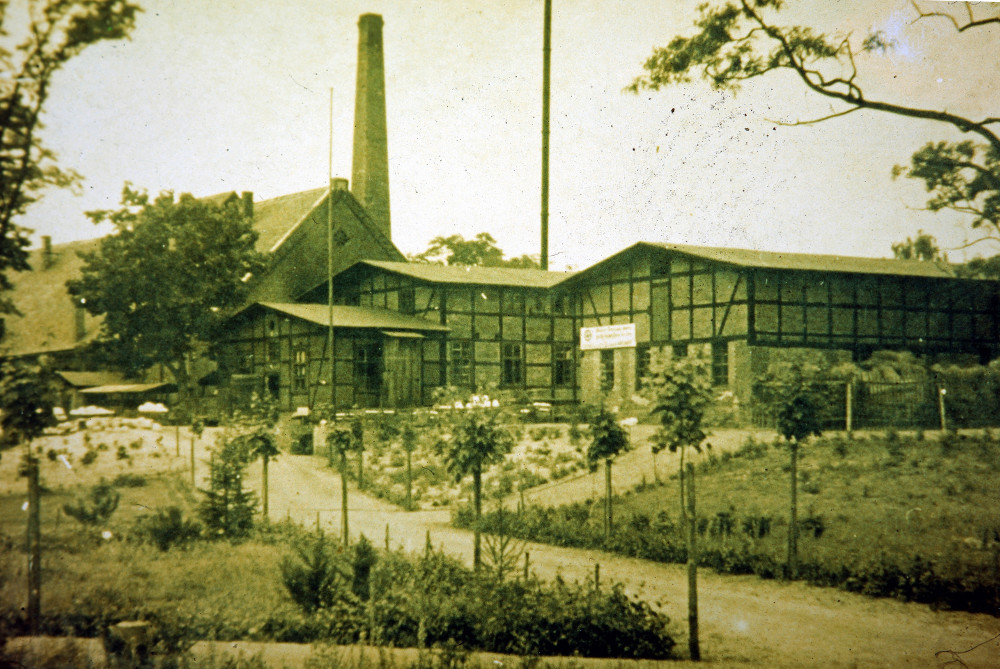
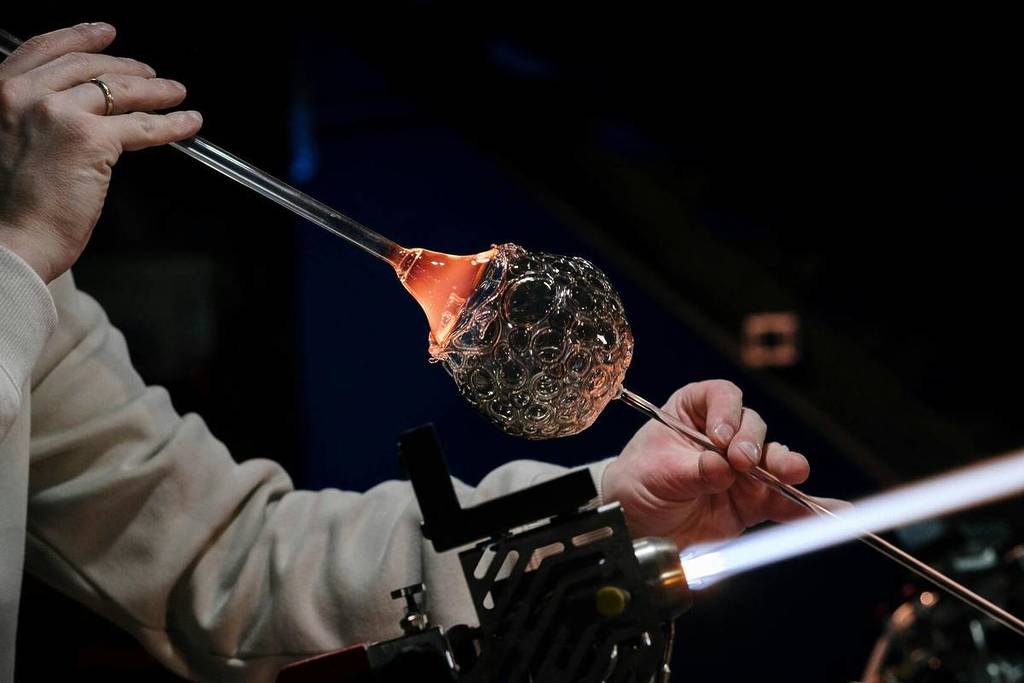
Today, at the Baruther Glashütte, you can experience a blend of cultural enrichment and idyllic relaxation . The centerpiece is the museum in the old Neue Hütte. Here, you can watch glassmakers as they shape delicate works of art from the molten glass.
Today, numerous artisans have set up small studios in the former workers’ houses. From potters to hatmakers and basket weavers , you can watch them at work. And you can not only buy one-of-a-kind handmade items but also get creative yourself in workshops. Check out the Baruther Glashütte event calendar.