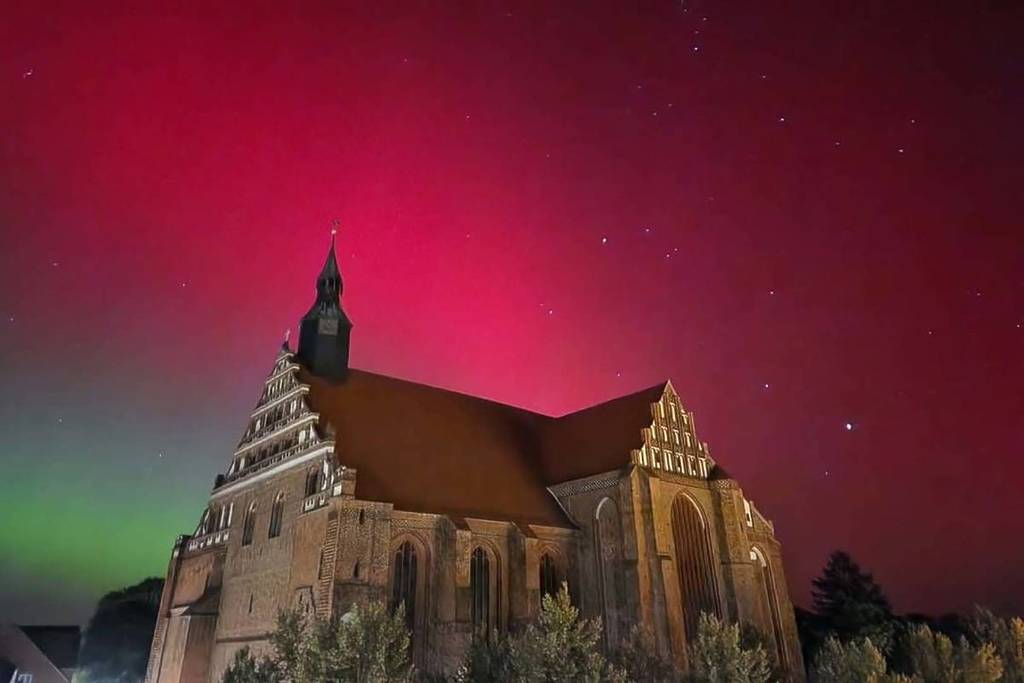
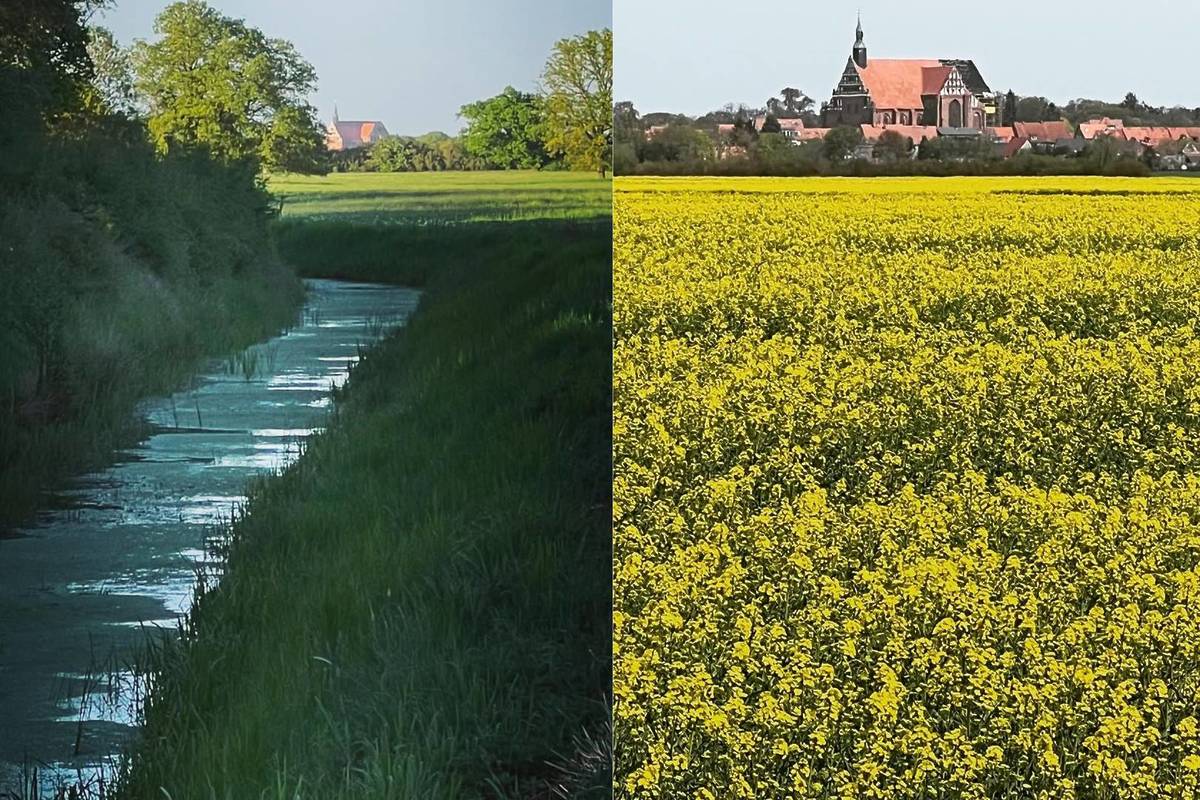
 Photo: @wunderblutkirche
Bad Wilsnack is closely linked to the legend of the miraculous blood. In 1383, St. Nikolai Church burned down. Three bloodstained communion wafers – the so-called “miraculous blood” – are said to have been found in the ruins. As a result, Bad Wilsnack developed into an important pilgrimage center, comparable to Santiago de Compostela or Aachen, attracting pilgrims from all over Europe. In the 19th century, the focus shifted from pilgrimage to healing springs and health. In 1929, Wilsnack was finally officially awarded the title “Bad” (spa).
The Wunderblutkirche (St. Nikolai) is a large Gothic brick church and one of the city’s central historical landmarks. Today, it is of great cultural and historical significance and serves as a venue for concerts, exhibitions, and spiritual events. Quiet, dignified, and impressive in its size—especially in relation to the small town in which it stands.
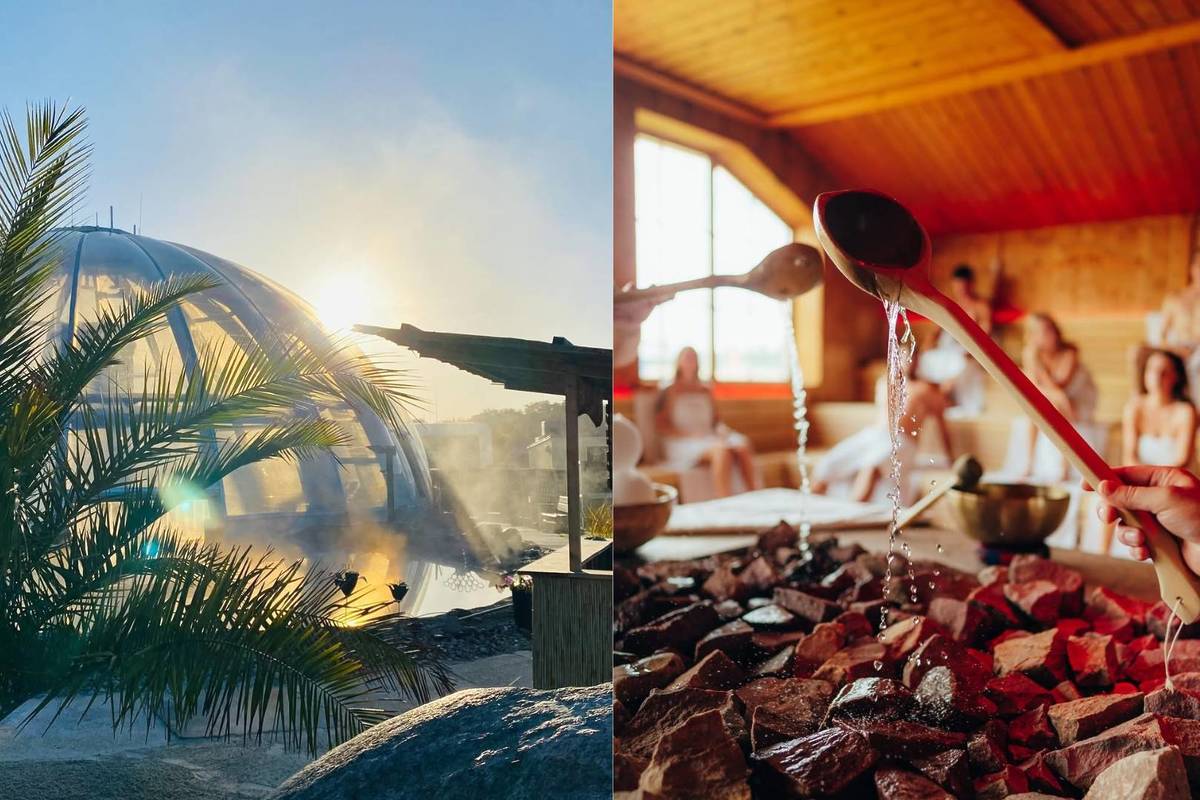 Photo: @kristall_therme_badwilsnack (Instagram)
The Kristall Kur- und Gradier-Therme in Bad Wilsnack offers indoor and outdoor pools, soothing saltwater, a sauna area, and a wide range of health and wellness services. Many guests come here specifically for relaxation or rehabilitation. The spa gardens impress with their well-tended green spaces, shady walking paths, quiet seating areas, and old trees – a classic spa town atmosphere: relaxed, clean, and unhurried. If you want to find out more about the thermal baths, read on here!