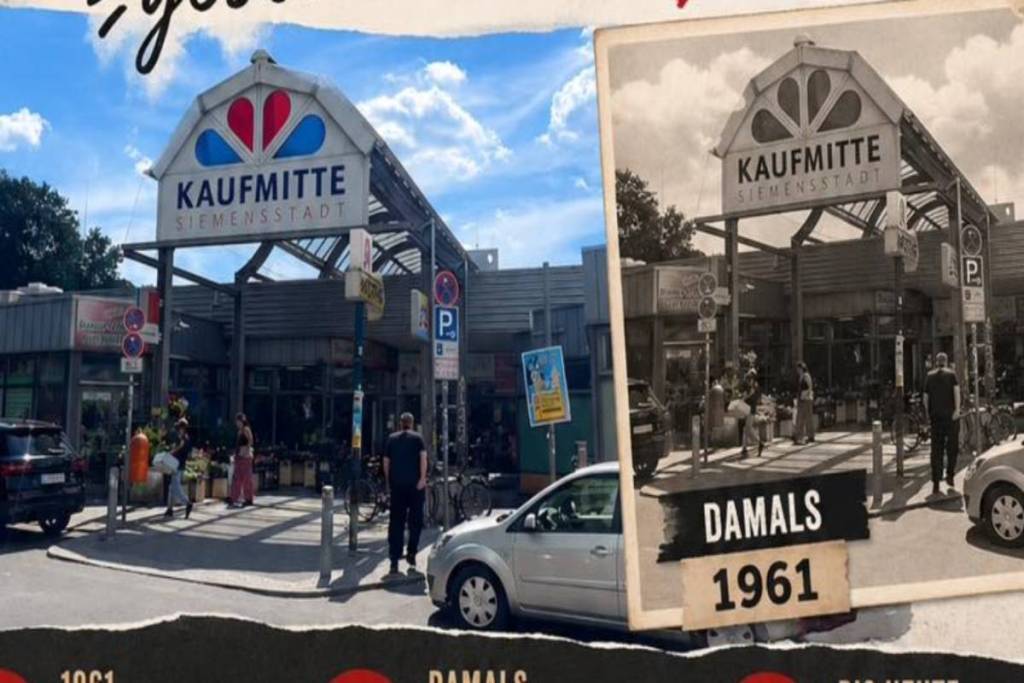

Berlin is full of traditional shops and places that still serve as reminders of the capital’s past. Just recently, the well-known delicatessen chain Lindner reverted to its original name, “Butter Lindner,” after about 20 years. But the history of Berlin’s shopping centers also goes back a long way: in 1961, in the midst of the Cold War, Germany’s first shopping center, modeled after American examples, opened. It was intended not only to revolutionize shopping habits but also to become a symbol of the Western lifestyle.
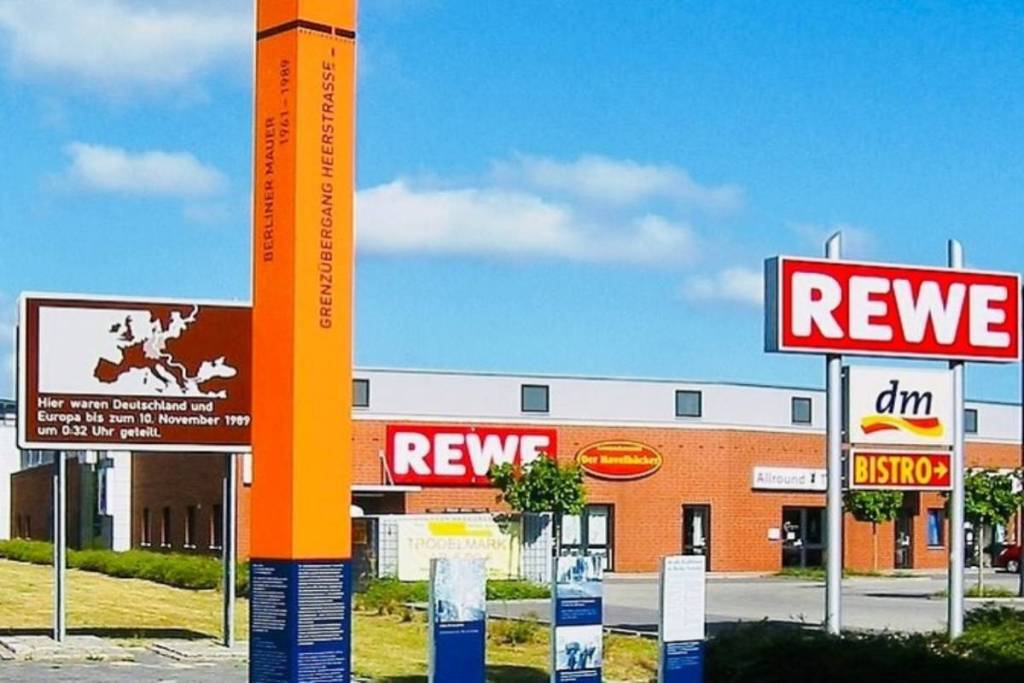
Just a few weeks after the Berlin Wall was built, a shopping center opened on October 26, 1961, in Berlin-Siemensstadt that would have a lasting impact on German consumer culture. Today’s Kaufmitte Siemensstadt—known at the time as Kaufzentrum Siemensstadt—is considered Germany’s first shopping center modeled after the American style. About 30 stores spread across approximately 7,500 square meters offered Berliners a shopping experience that was exceptionally modern by the standards of the time.
While people in Germany had previously done most of their shopping in individual stores, department stores, or traditional shopping streets, the new center brought together a wide range of offerings in one place. The complex was designed by architect Helmut von Lülsdorff, who drew inspiration not only from American models but also from shopping centers in Rotterdam and Stockholm. After just seven months of construction and an investment of approximately five million Deutschmarks, the shopping center opened its doors.
The modern architecture was particularly impressive. Four shopping streets, a storefront stretching a total of 550 meters, and covered walkways made for comfortable shopping in almost any weather. The single-level design facilitated access, while separate pedestrian areas and parking lots reflected the then-novel concept of a car-friendly shopping complex.
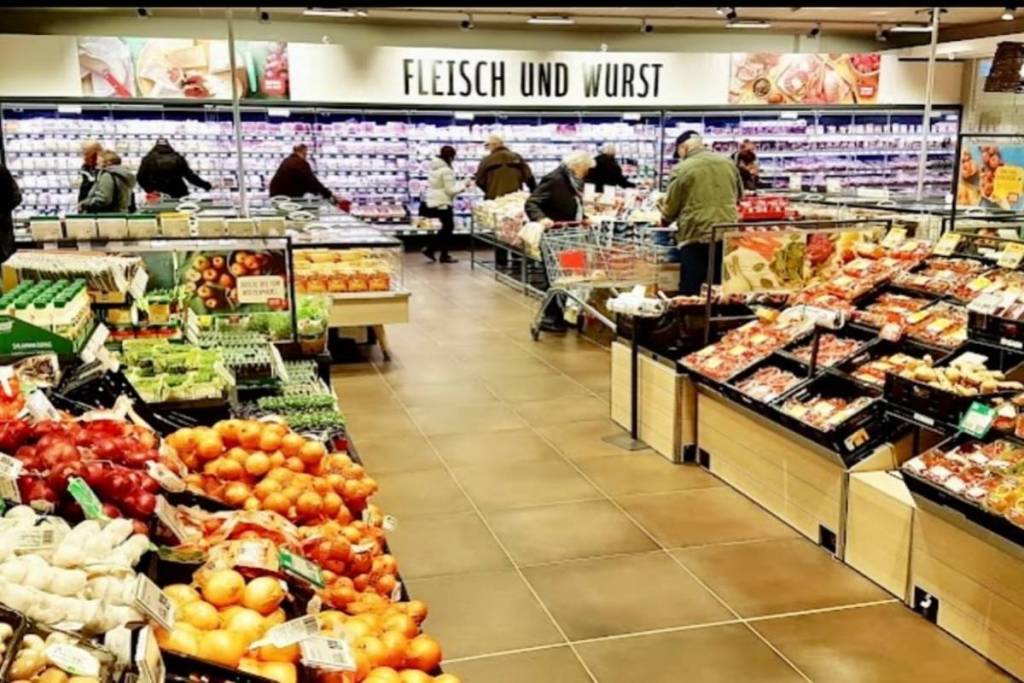
Inside, too, visitors were greeted by numerous innovations. Two grocery stores offered self-service, and modern conveyor belts at the registers made checkout easier. According to historical records, customers had access to between 26 and 30 stores in total. A Berlin newspaper even described the complex at the time as a “paradise for housewives.”
The opening took place during a time of political tension. The Berlin Wall had been erected just on August 13, 1961. While West Berlin was becoming increasingly isolated, the shopping center embodied economic progress and Western consumer culture. Behind the project was entrepreneur Karlheinz Pepper, who later also played a role in the construction of the famous Europa-Center. In the decades that followed, the complex was expanded and modernized several times.
65 years later, the Kaufmitte Siemensstadt still exists. Today, the shopping center at Siemensdamm 44 houses, among other things, a supermarket, a drugstore, a pharmacy, and dining options. As a result, a piece of Berlin’s consumer history has remained part of everyday life in Spandau to this day.