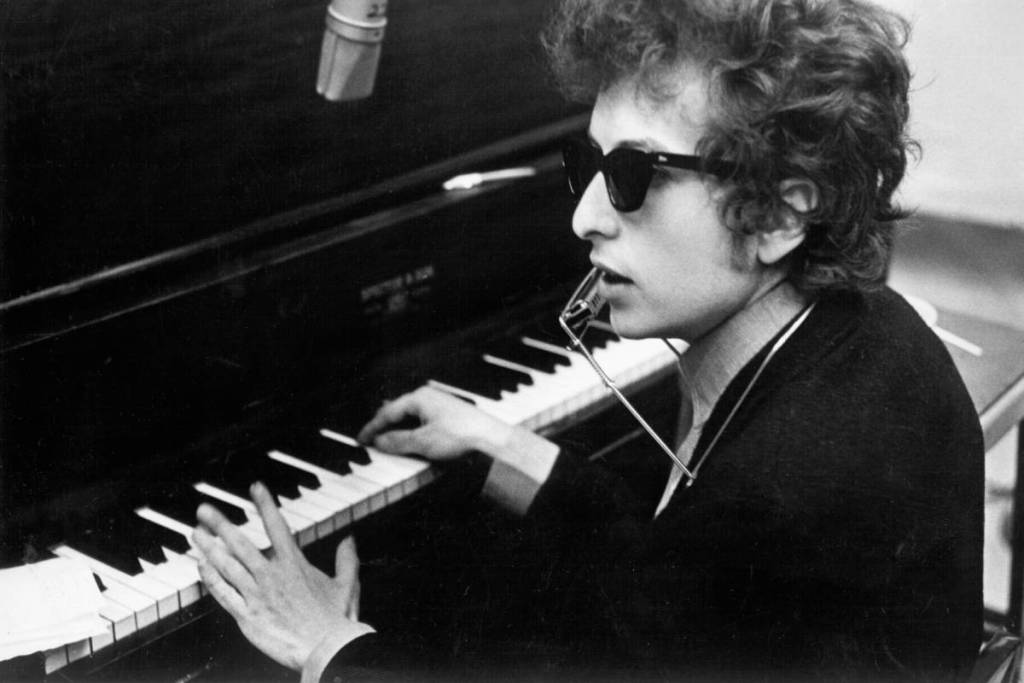

Music repeatedly transcended boundaries in divided Berlin. While Udo Lindenberg provoked the GDR leadership in 1983 with his song “Sonderzug nach Pankow” and Depeche Mode thrilled thousands of fans at their only GDR concert in 1988, another music legend had already made history a year earlier. On September 17, 1987, Bob Dylan performed in East Berlin for the first time and transformed Treptower Park into a massive concert arena. Tens of thousands of GDR citizens celebrated the American global superstar—while the Stasi closely monitored the extraordinary event.
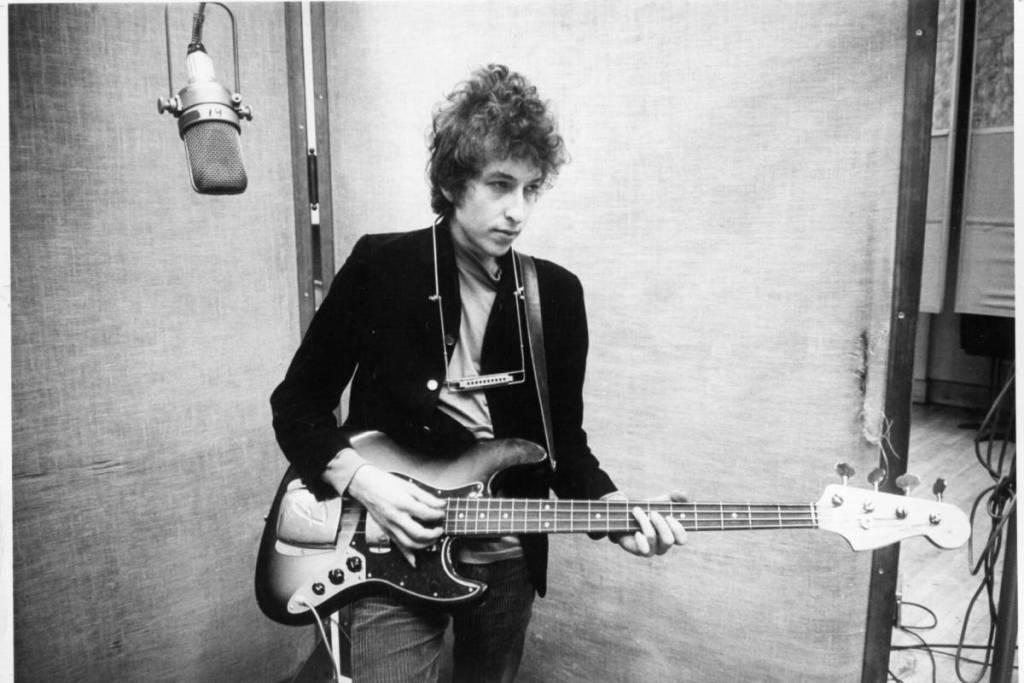
On September 17, 1987, Treptower Park in East Berlin became the setting for an extraordinary musical event. American singer-songwriter Bob Dylan, whose songs such as “Blowin’ in the Wind” and “The Times They Are a-Changin’” had long since become anthems of the protest movement, performed for the first time in the GDR’s capital. Together with Tom Petty and the Heartbreakers and Roger McGuinn, he thrilled an audience of around 100,000 people—just two years before the fall of the Berlin Wall.
Yet the performance wasn’t originally intended for East Berlin at all. Dylan was actually supposed to play at the Waldbühne in West Berlin, but ticket sales were disappointing. According to reports, only about 2,000 tickets were sold. As a result, concert promoter Fritz Rau offered the gig to the GDR Artists’ Agency. What had met with little interest in the West turned into a mass event in the East.
The Free German Youth (FDJ) organized the concert as part of the celebrations marking Berlin’s 750th anniversary and billed it as a peace concert. In no time at all, some 81,000 tickets were sold. For many East German citizens, it was a rare opportunity to see one of the most significant Western musicians perform live.
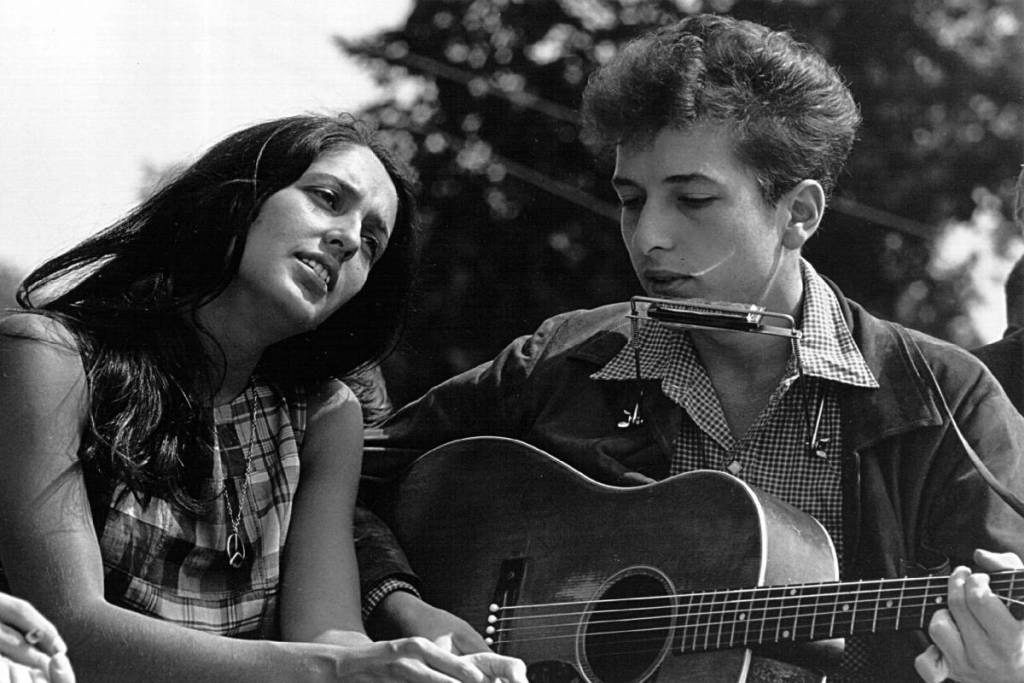
But while fans eagerly anticipated the performance, the State Security Service was also making intensive preparations for it. The Stasi listed Dylan in its files under his birth name, Robert Zimmerman, and monitored both the musician and his audience. Around 1,200 FDJ students were to be deployed as so-called agitators, while People’s Police officers and security teams monitored the event.
However, there were no major political incidents. Instead, tens of thousands of people experienced a concert that became a special chapter in German-German music history. While the Berlin Wall continued to separate East and West, an American global superstar stood on stage in Treptower Park, whose music stood for freedom, protest, and social change worldwide.