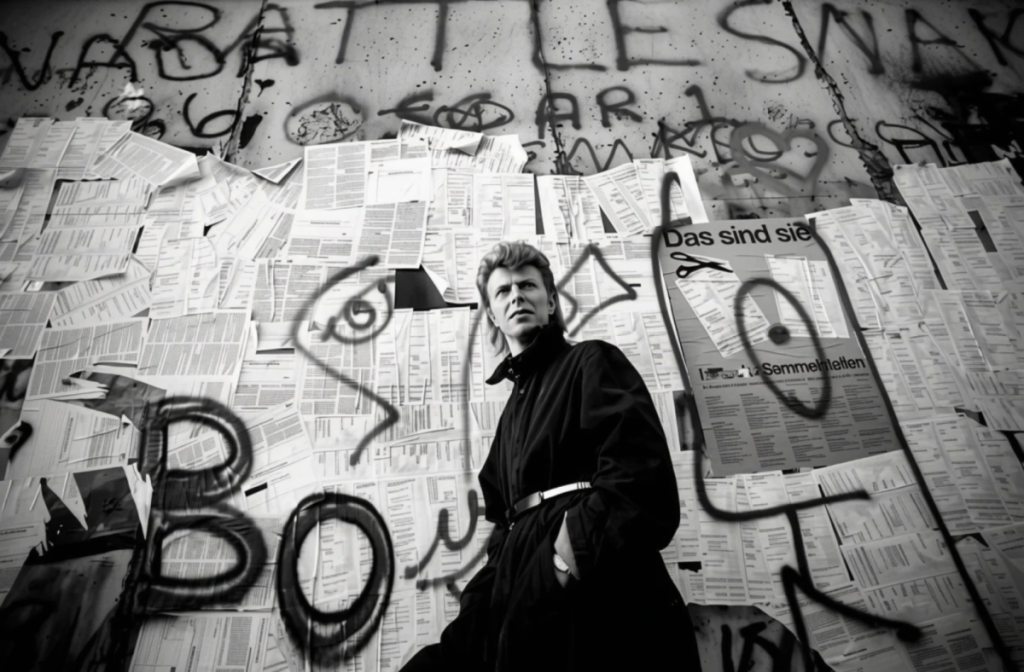

David Bowie and Berlin share an extraordinary history: In the 1970s, the British global superstar lived in an unassuming apartment in an old building in Schöneberg, where he created some of his most significant musical works. In 1987, he once again made Berlin music history when he performed in front of the Reichstag and thousands of young people on the other side of the Wall listened to his music. The concert became a symbol of the longing for freedom and the overcoming of Germany’s division. Even decades later, Bowie’s connection to the capital remains alive: In February 2027, a new documentary about the musician is set to have its world premiere in Berlin.
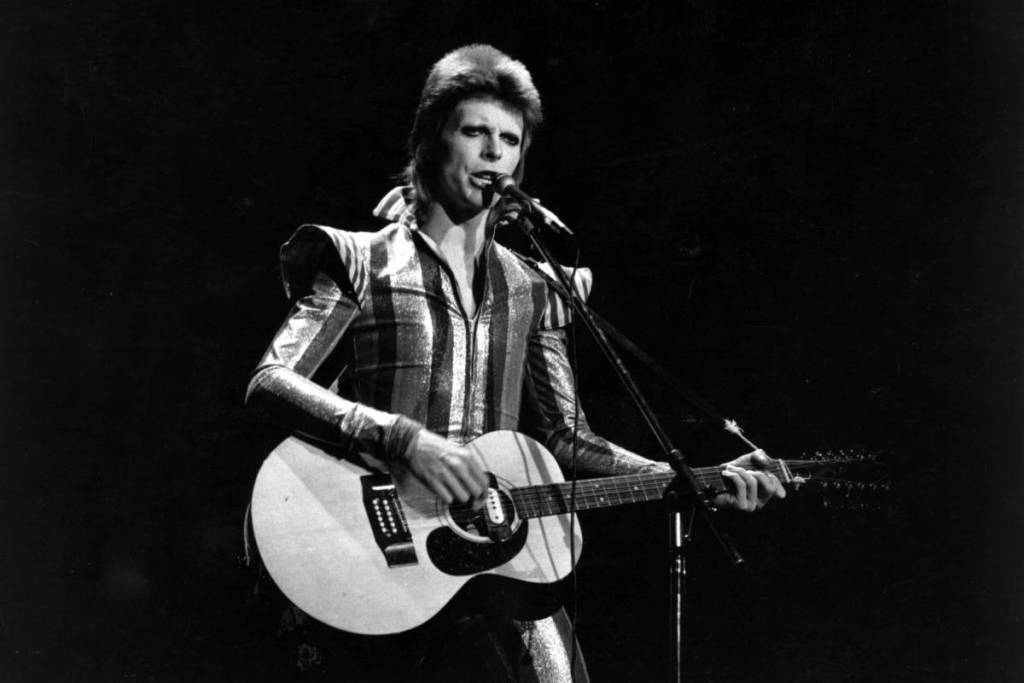
On June 6, 1987, David Bowie performed in front of the Reichstag building in West Berlin as part of the three-day “Concert for Berlin” festival. The event marked the city’s 750th anniversary. Alongside Bowie, Genesis and the Eurythmics were also on the lineup. What made it special was that the stage was located right next to the Berlin Wall, so the music could be heard in East Berlin as well.
For Bowie, the performance marked a return to a special place. He had lived in Schöneberg between 1976 and 1978, and during that time he recorded, among other songs, his famous track “Heroes,” which later became an anthem of German division.
During the concert days, a total of about 4,000 young people gathered on the eastern side to hear the music of the international stars. East German security forces attempted to disperse the crowds at the Brandenburg Gate. They used batons, police dogs, and human chains. The situation escalated, and young people chanted slogans such as “The Wall must come down!” and “We want freedom!” This led to arrests and violent clashes.
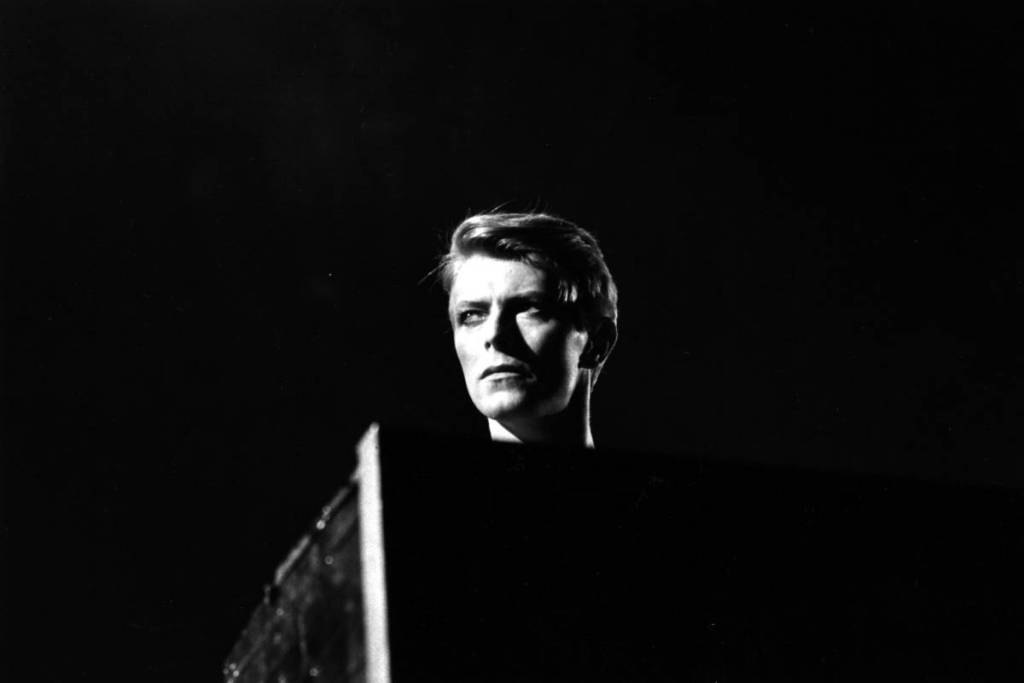
The protests were not limited to Bowie’s performance on June 6 but continued throughout the following days of the festival. Historical Stasi footage and reports document the events. Just two years and five months later, on November 9, 1989, the Berlin Wall fell. In retrospect, Bowie’s concert is regarded as a symbolic moment of the growing desire for freedom in the GDR.
A year later, on June 19, 1988, Michael Jackson also performed in front of the Reichstag building. To prevent similar protests, the GDR organized a counter-concert featuring Bryan Adams in Weißensee at the same time.